Science
Introduction to Primary Science at Stockton Wood
At Stockton Wood, we believe that a strong foundation in science is essential for nurturing curiosity,
critical thinking, and a lifelong love for learning. Our primary science curriculum is designed to inspire
children to explore the wonders of the natural world, ask questions, and develop a deep
understanding of scientific concepts. We are committed to providing a curriculum that promotes
curiosity and includes both disciplinary and substantive knowledge, ensuring a well-rounded and
thorough science education.
Science in the Early Years Foundation Stage (EYFS)
In the EYFS at Stockton Wood, science learning is centred around the Early Years Foundation Stage
Statutory Curriculum and the Development Matters document. These frameworks focus on helping
young children make sense of their physical world and their community through opportunities to
explore, observe, and find out about people, places, technology, and the environment. Key aspects
of science learning in the EYFS include:
- Curiosity and Observation: Encouraging children to notice changes, patterns, and
phenomena in their environment. - Hands-On Exploration: Providing opportunities for children to explore materials, living things,
and the natural world through play and sensory experiences. - Language Development: Building the vocabulary needed to describe what they see, hear, and
feel. - Understanding the World: Supporting children in making connections between their
experiences and the wider world.
Science in Key Stage 1 (KS1) and Key Stage 2 (KS2)
As children progress into KS1 and KS2, we adopt the White Rose Science Scheme of Learning, a
comprehensive and carefully structured approach to science education. This provides a more
structured approach to scientific inquiry, disciplinary and substantive knowledge, and deeper
understanding.
- Disciplinary Knowledge: This involves understanding how science works—learning about
scientific methods, investigations, and how evidence is used to draw conclusions. Children
are encouraged to think critically, ask questions, and engage in scientific practices that help
them understand how knowledge is constructed and validated. - Substantive Knowledge: This covers the content of science—the key facts, concepts, and
principles that children need to know. In KS1 and KS2, our curriculum ensures that children
build a solid foundation of substantive knowledge in areas such as biology, chemistry, physics,
and earth science.
Key Stage 1 (KS1)
In KS1, the curriculum introduces foundational scientific concepts and encourages children to start
thinking critically about the world. Key elements include:
- Promoting Curiosity: Children are encouraged to explore their surroundings, ask questions,
and seek answers through observation and experimentation. - Asking Questions: Developing the ability to ask simple questions and recognize that they can
be answered in different ways. - Practical Investigations: Engaging in basic experiments that involve observing, classifying, and
measuring to gather evidence. - Building Knowledge: Learning about everyday materials, plants, animals, and seasonal
changes, with an emphasis on understanding the natural world.
Key Stage 2 (KS2)
In KS2, children delve deeper into scientific concepts and methods. The curriculum becomes more
challenging, with a greater focus on critical thinking, problem-solving, and the application of scientific
knowledge. Key aspects include: - Scientific Enquiry: Developing a more systematic approach to investigations, including
planning, conducting, and evaluating experiments. - Conceptual Understanding: Exploring more complex topics such as forces, light, sound,
electricity, and the interdependence of organisms in ecosystems. - Cross-Curricular Links: Making connections between science and other subjects, particularly
mathematics and technology, to understand how science is applied in the real world. - Real-World Applications: Encouraging children to apply their knowledge to solve problems
and understand scientific phenomena in everyday life.
Our Vision for Science Education
At Stockton Wood, our goal is to cultivate young scientists who are confident, curious, and equipped
with the knowledge and skills they need to excel in the future. Through our tailored curriculum,
combining the Early Years Foundation Stage Statutory Curriculum and Development Matters
document in EYFS with the White Rose Science Scheme in KS1 and KS2, we aim to ignite a passion for Science that will stay with our children throughout their lives, reinforcing their understanding and
allowing them to make connections between different areas of science and the world around them,
as we prepare the next generation of thinkers, innovators and problem solvers.
Intent Implementation and Impact

Science Chatter

Science- rocks
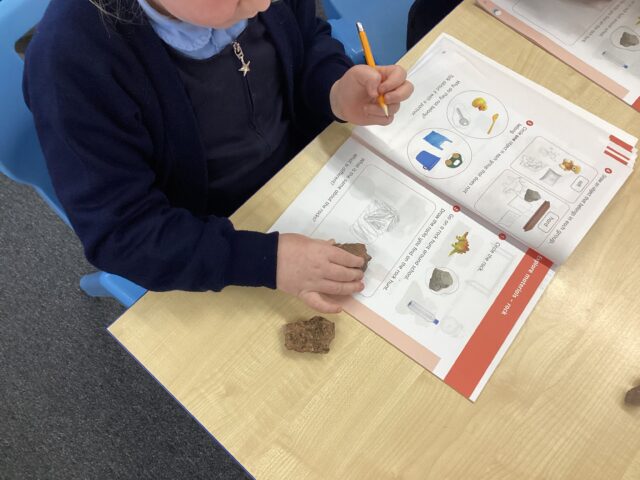
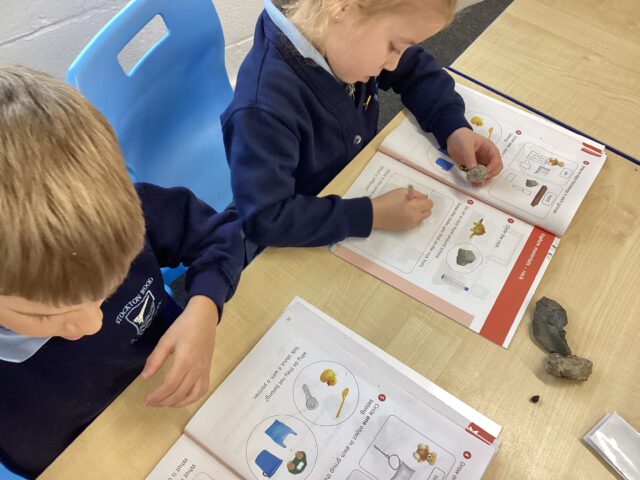
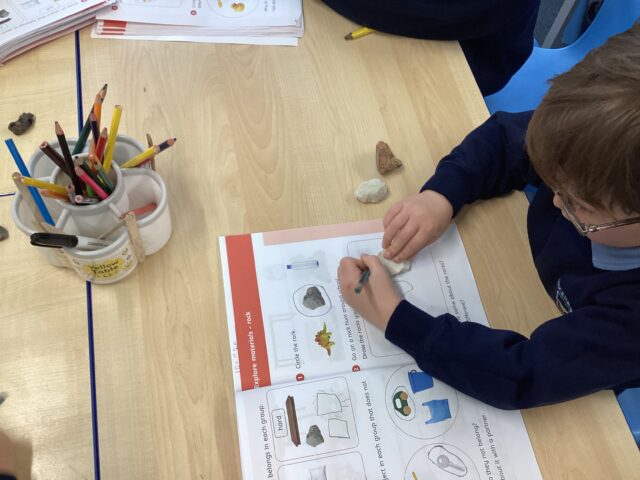
🪨 In Science, we have been exploring different rocks! The children investigated and compared their properties, looking closely at their size, colour, texture and weight. We spotted smooth, rough, big and small rocks, and some even sparkled! The children then had a go at drawing their rocks, capturing all the little details they noticed. 🔍
Science- materials
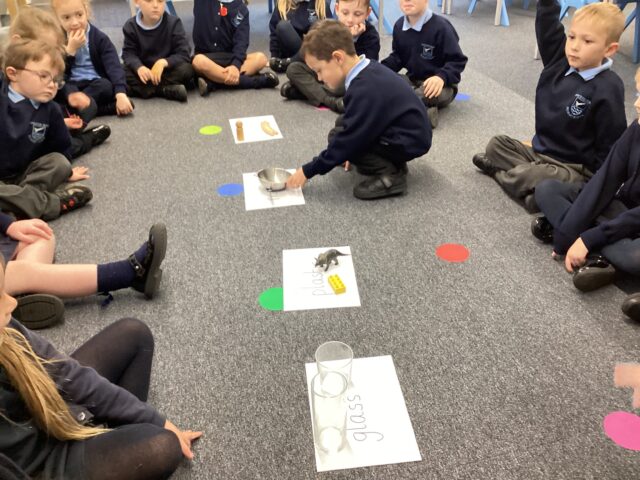
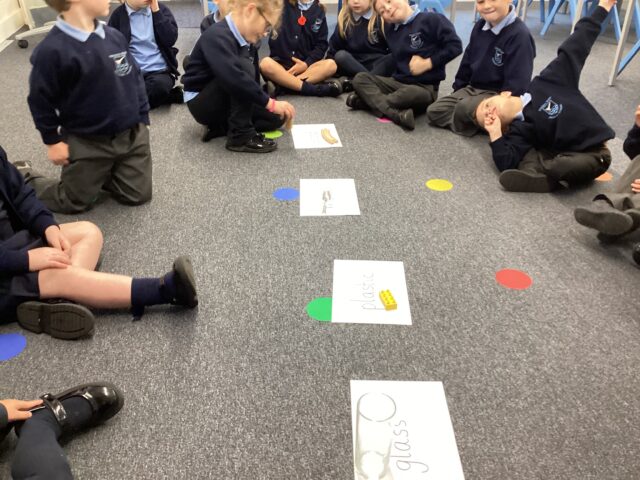
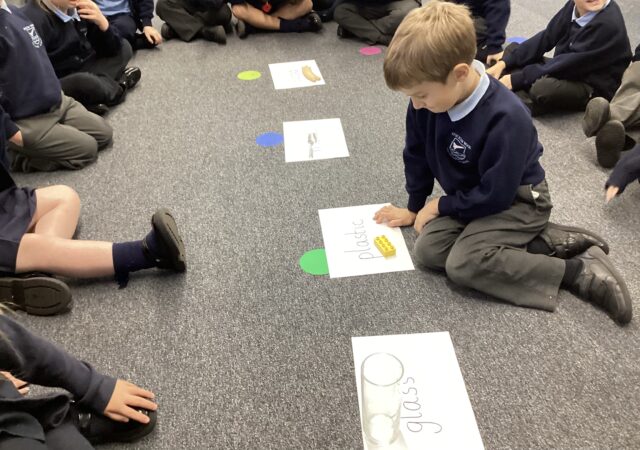
🔬 In Science, we have been exploring different materials, including glass, plastic, metal and wood. We investigated their properties and discussed why different objects are made from certain materials. The children enjoyed sorting objects and sharing their ideas about why each material is suited to its purpose. 🌟
Properties of rock
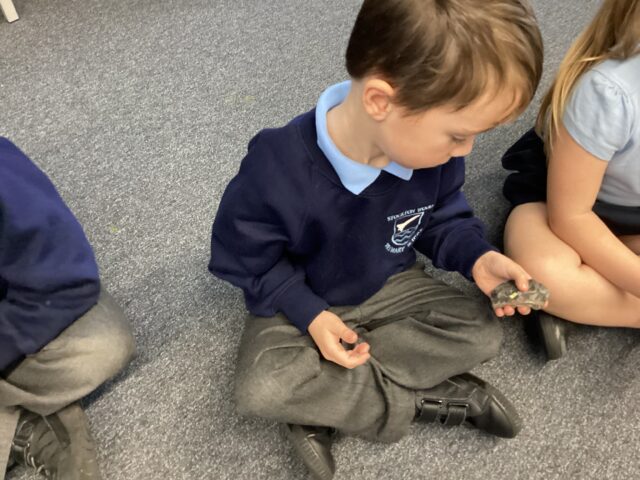
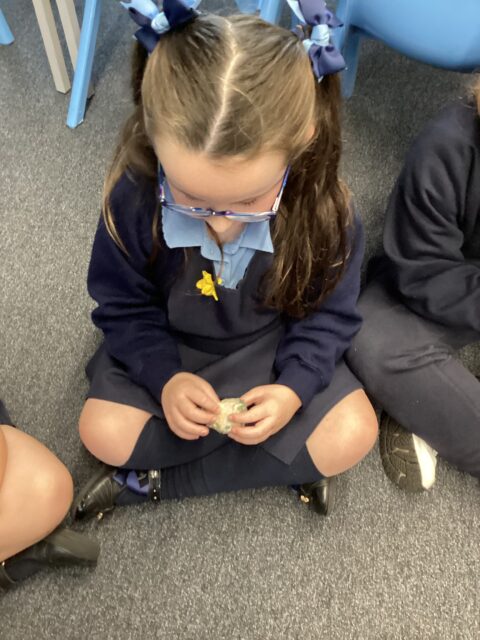
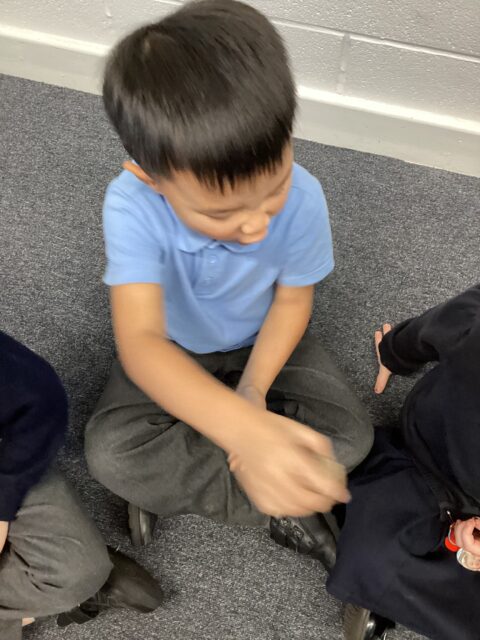
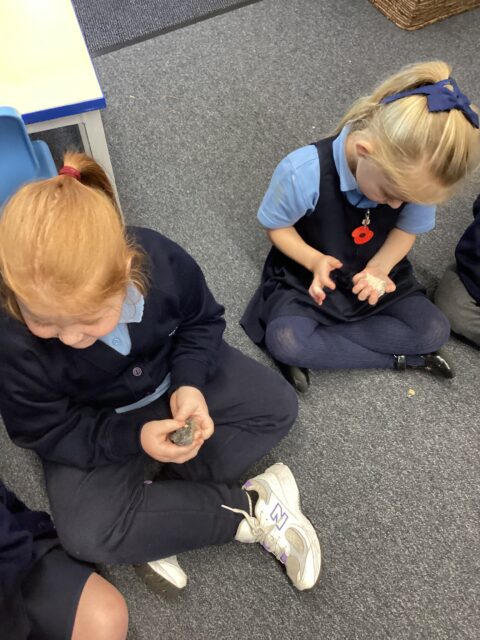
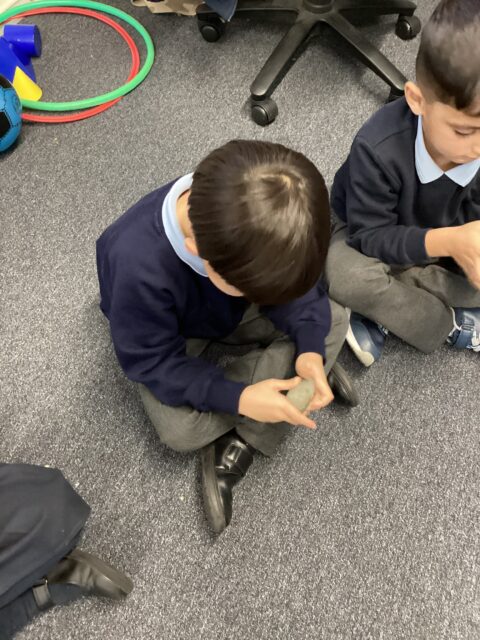
Following on from learning about materials, we looked at the material rock. We went on a rock hunt and found different examples of rock. We then examined different rocks, and used words such as smooth, uneven, flat, round, rough, heavy, light, dull and shiny to describe each one. We found that they were all ever so slightly different.
10
Materials – Science
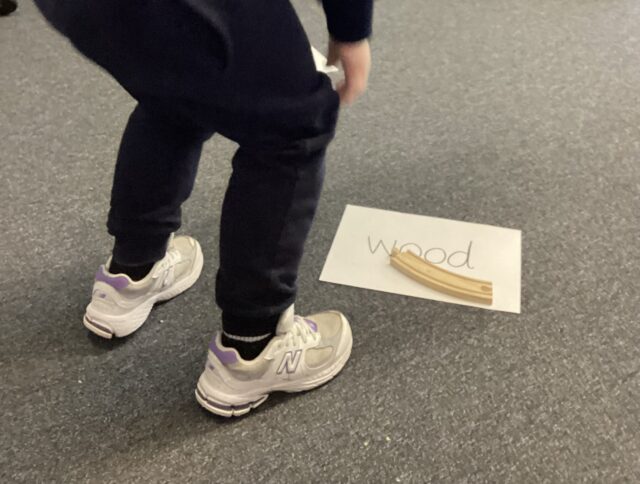
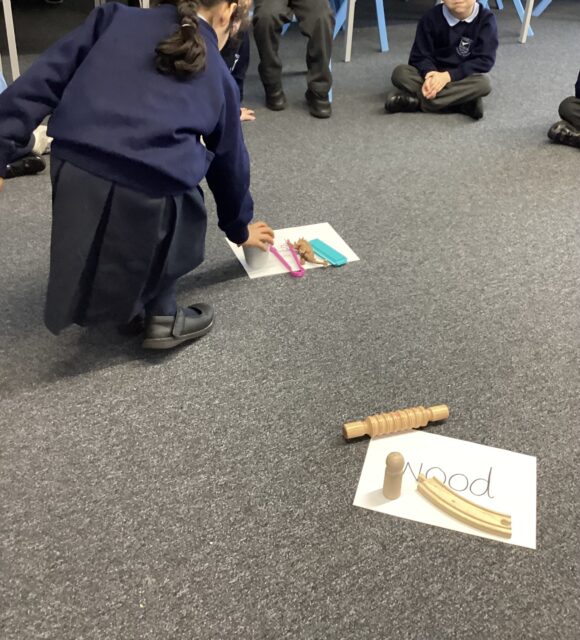
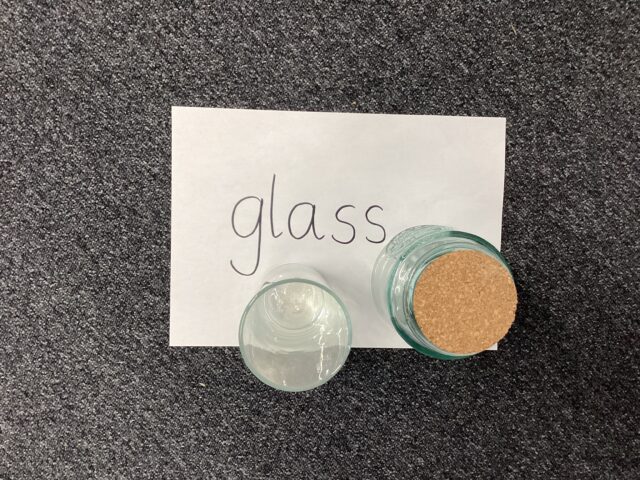
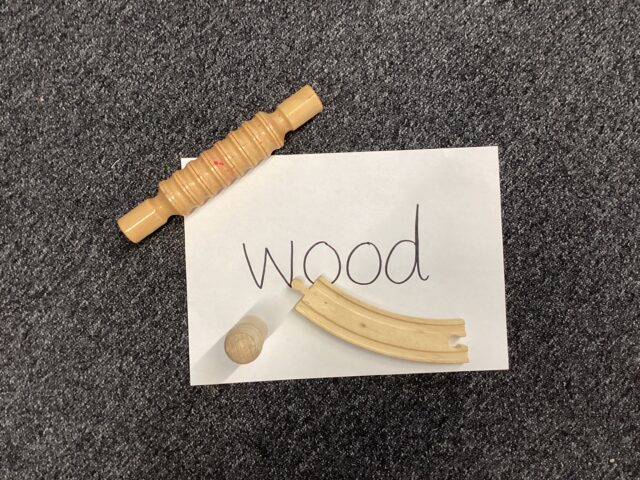
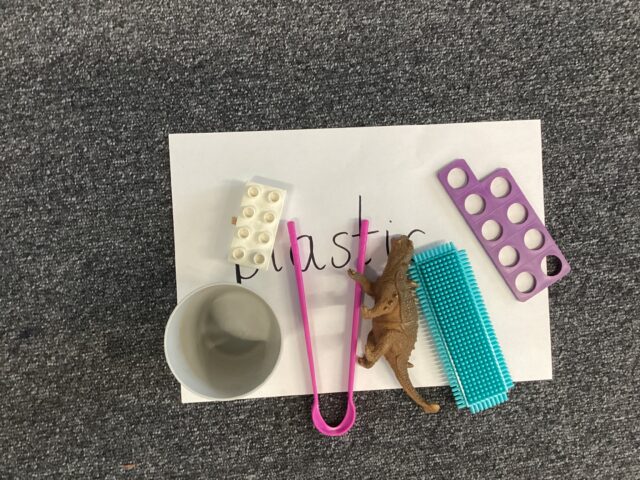
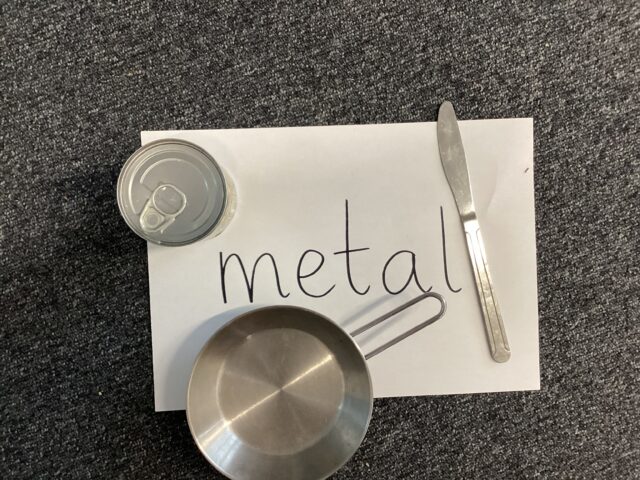
In Science, we have been looking at materials. This week was all about identifying which material objects had been made out of. We looked at everyday objects that we had found in our school, and looked at them closely. We used our senses to help us – we noticed that we could smell wood and metal, but couldn’t really smell plastic or glass. We found that glass and metal objects were heavier. We found that glass and metal was smooth and cold to touch. We sorted them according to their material.
10
The solar system
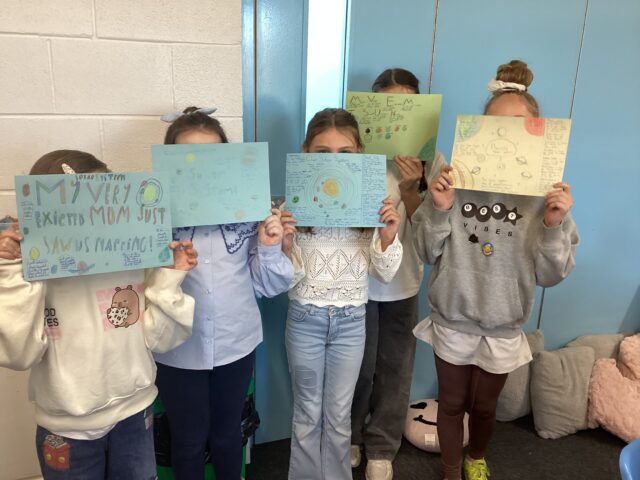
Year 5 have been busy creating some fantastic posters and clever mnemonics to help us remember the planets and their order in our solar system! 🌍🪐
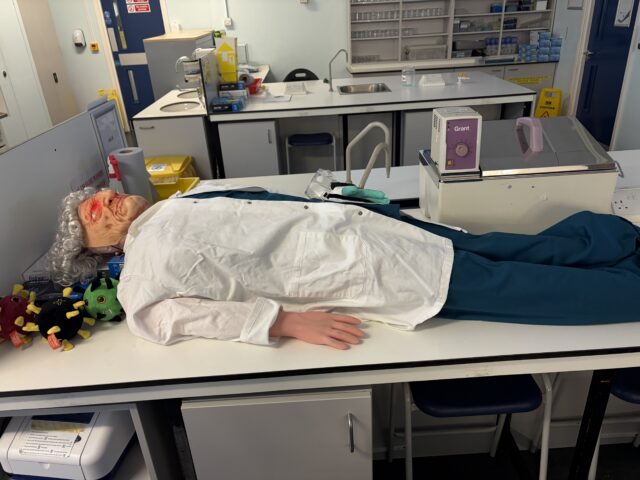
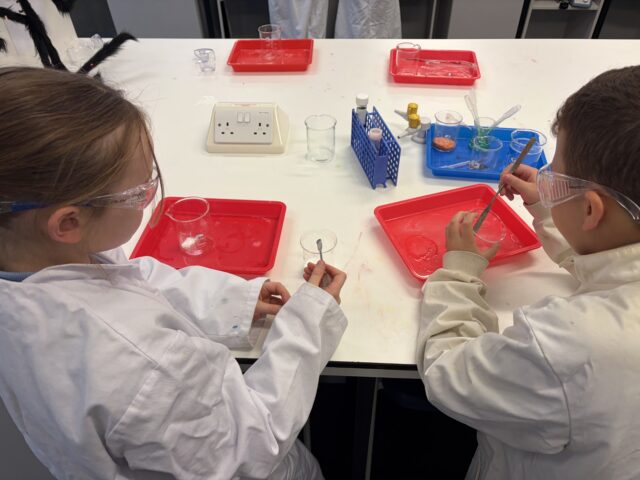
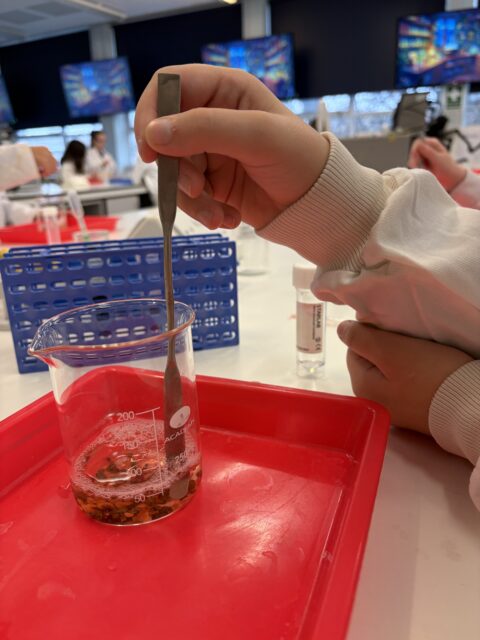
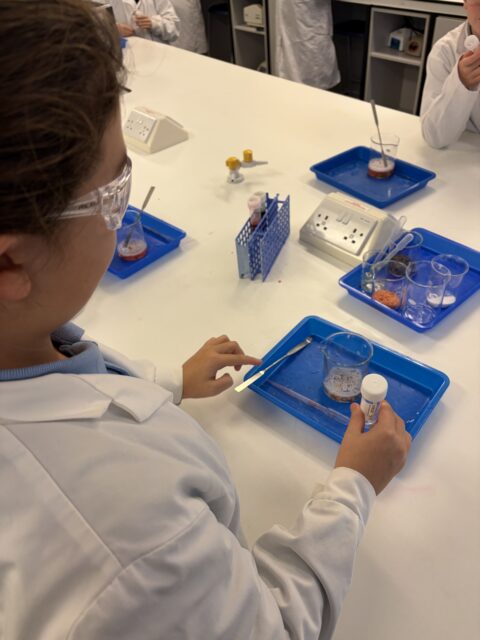
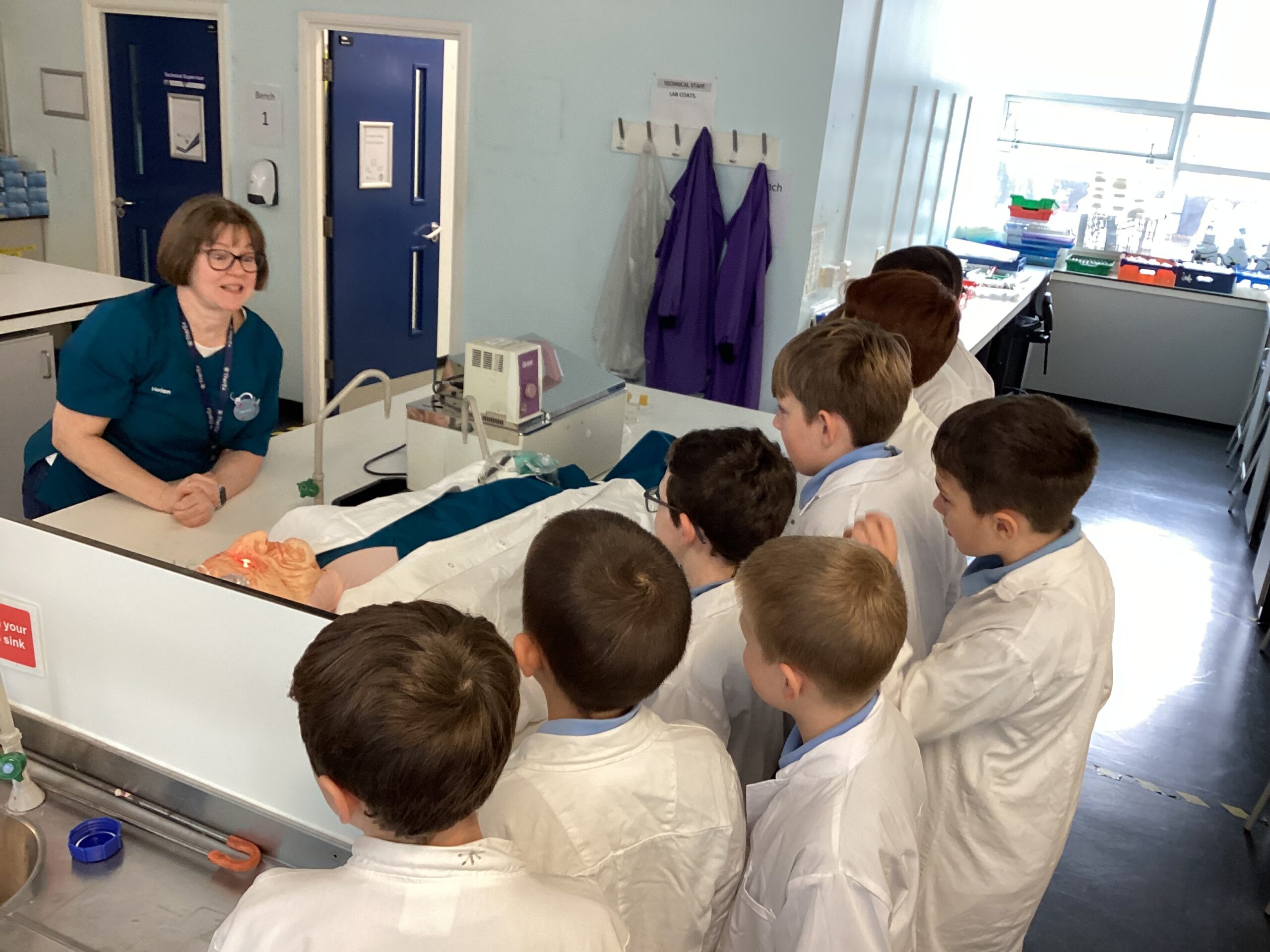
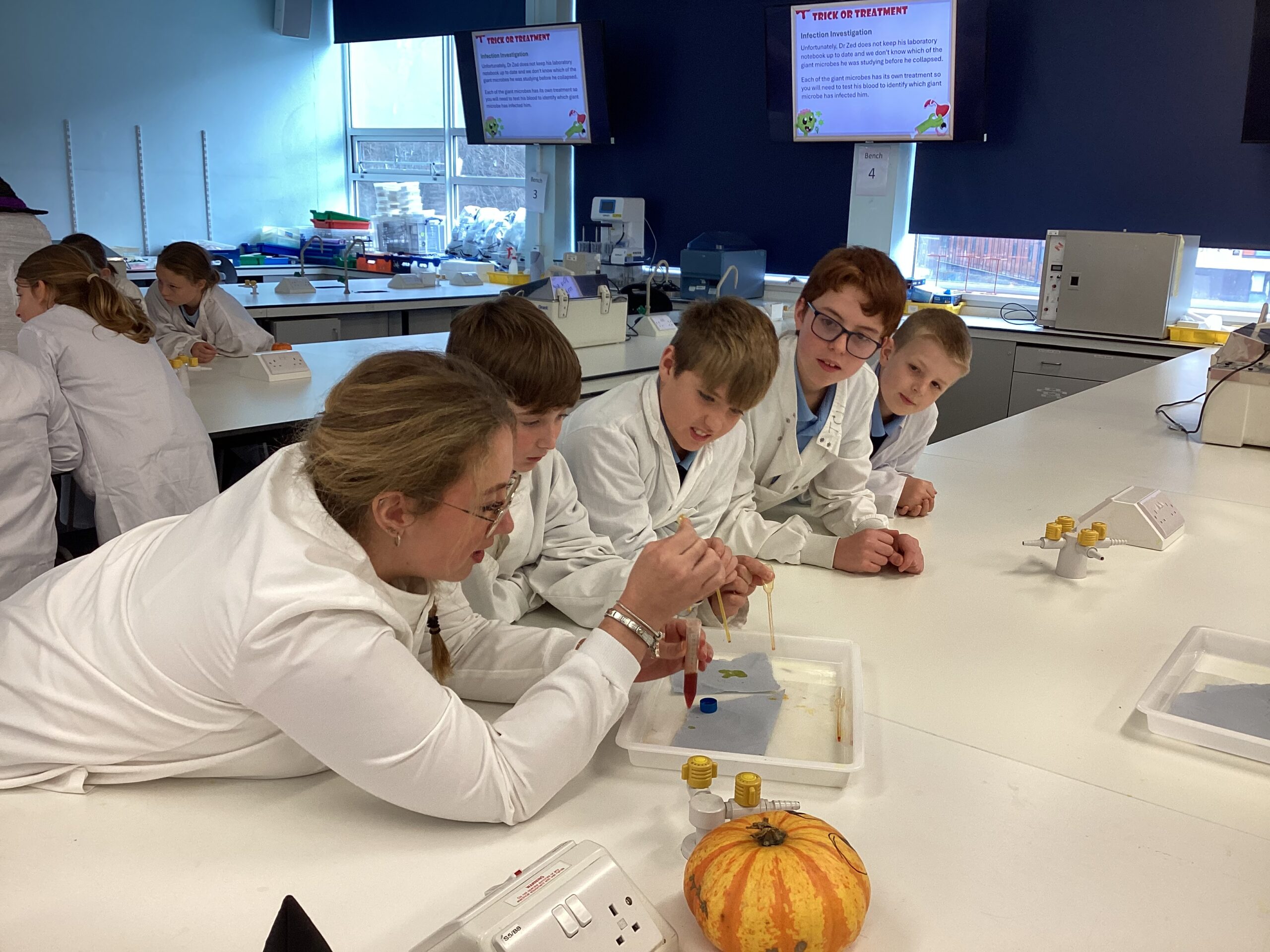
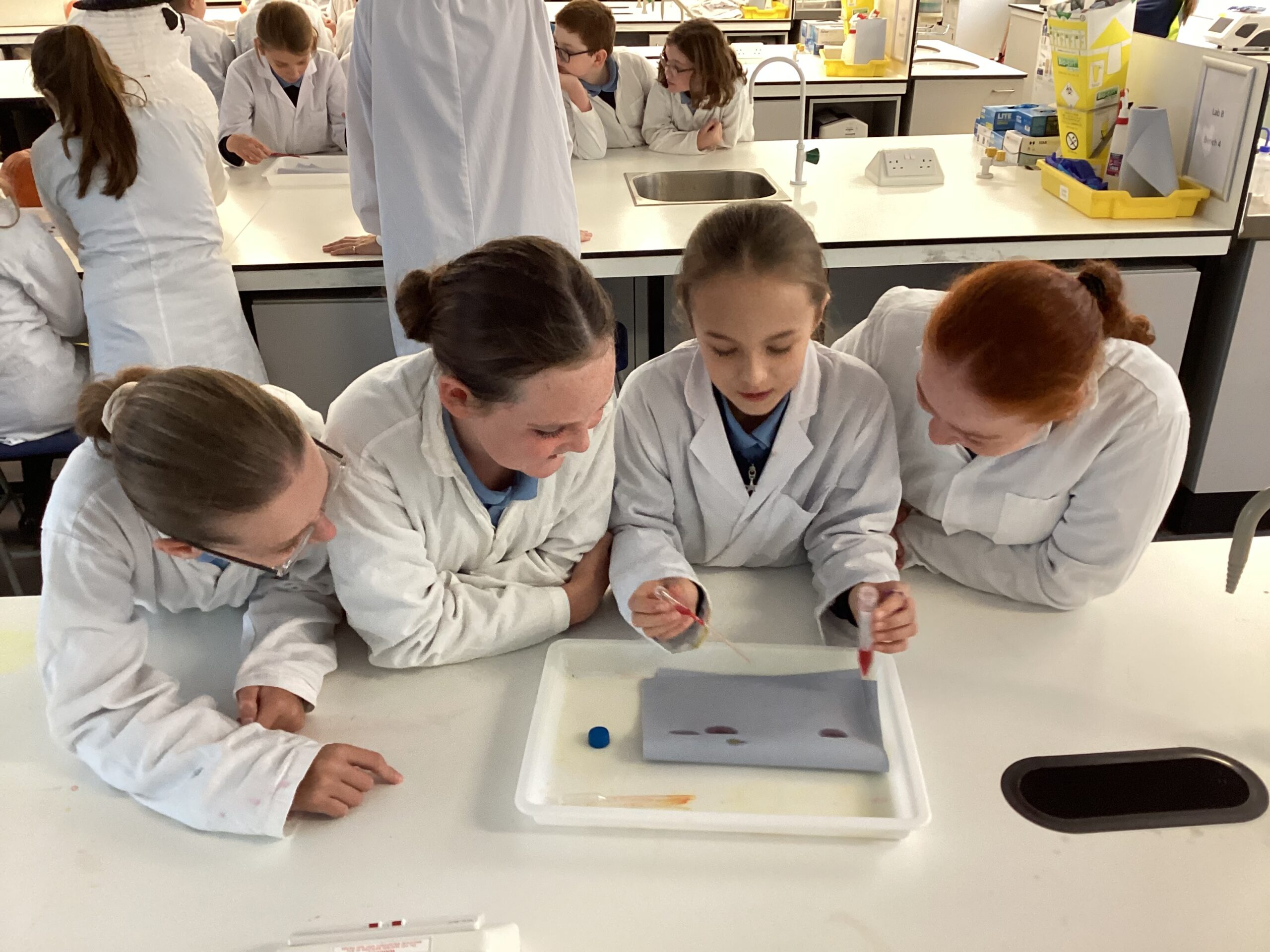
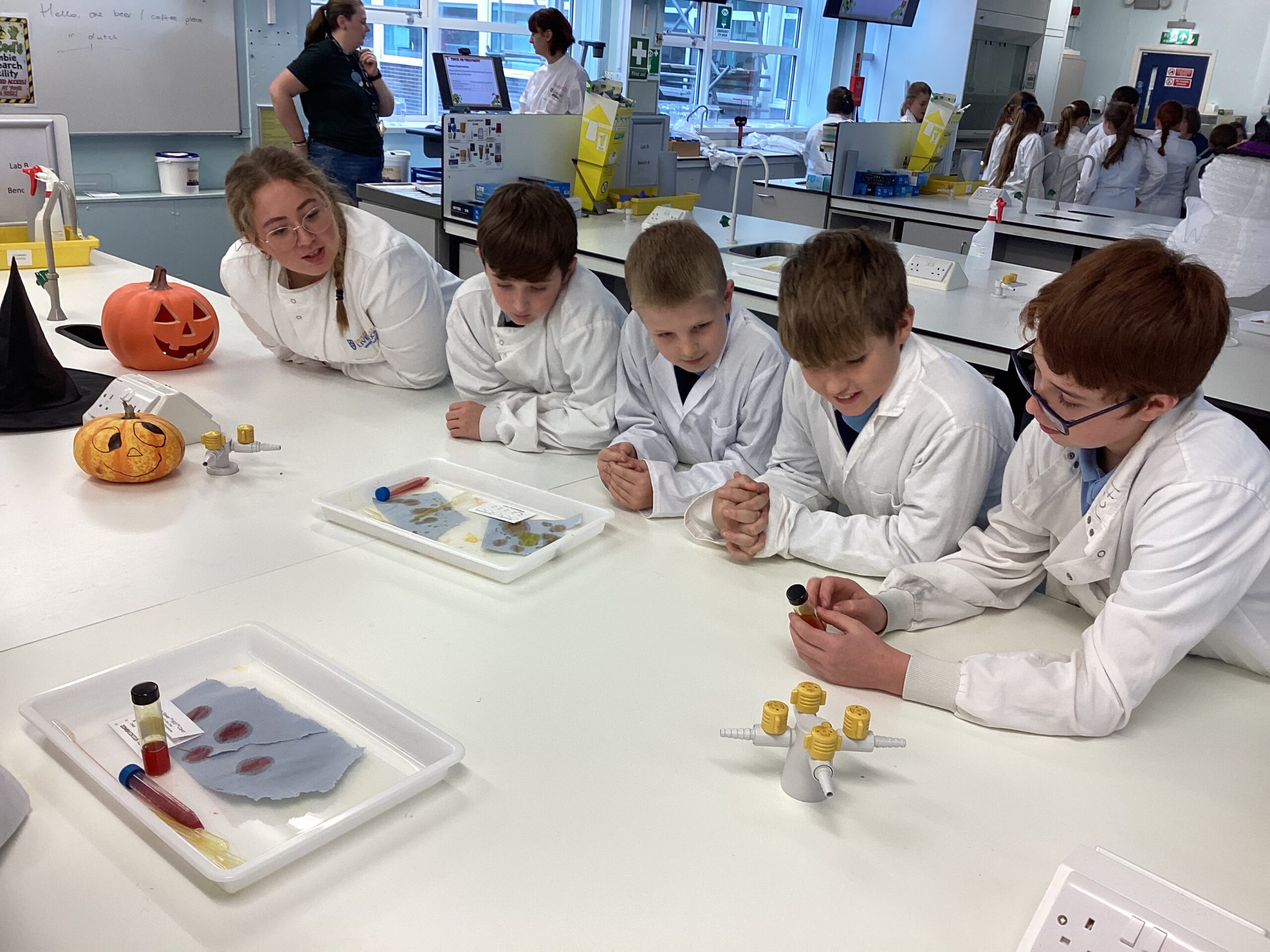
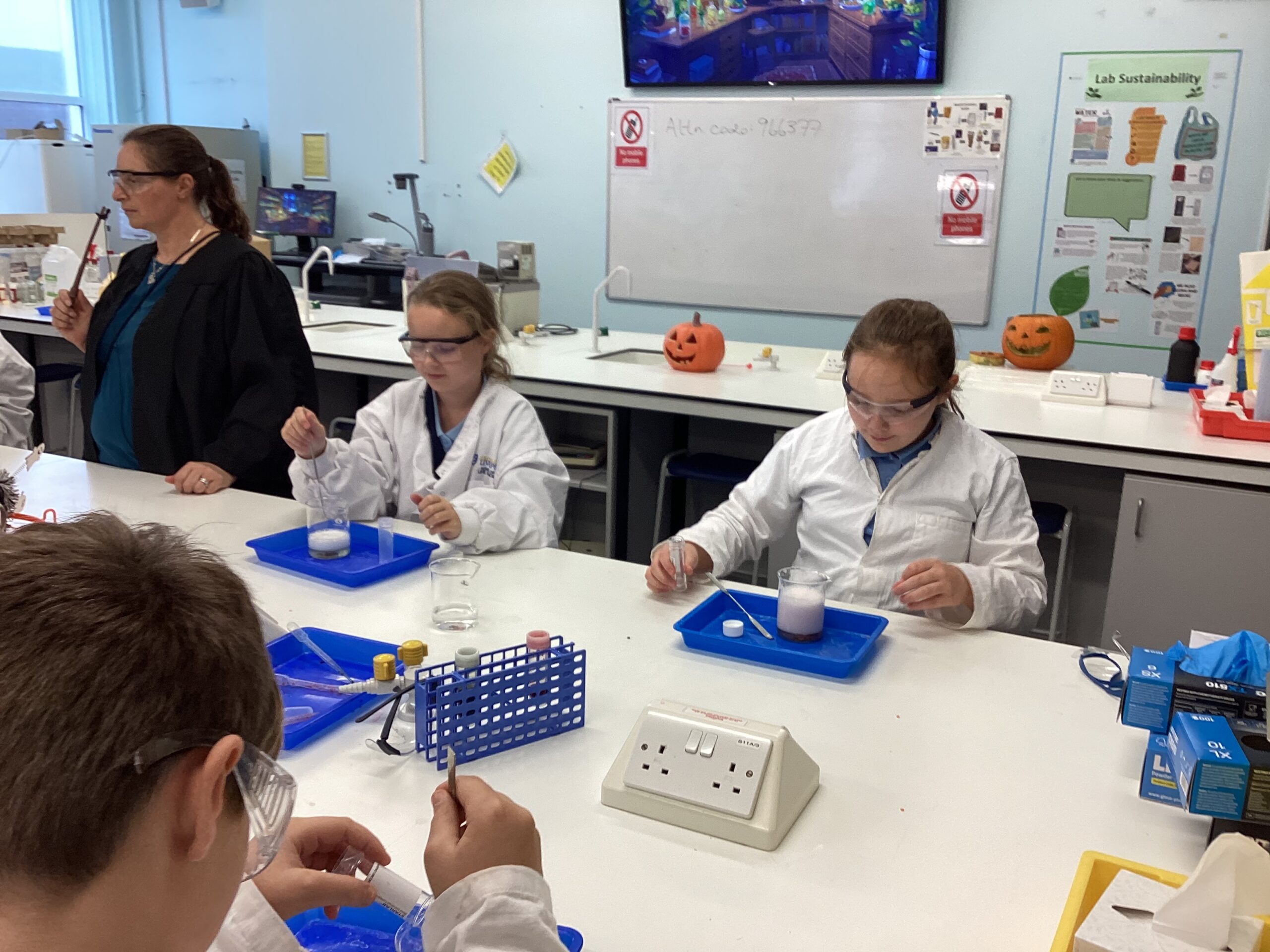
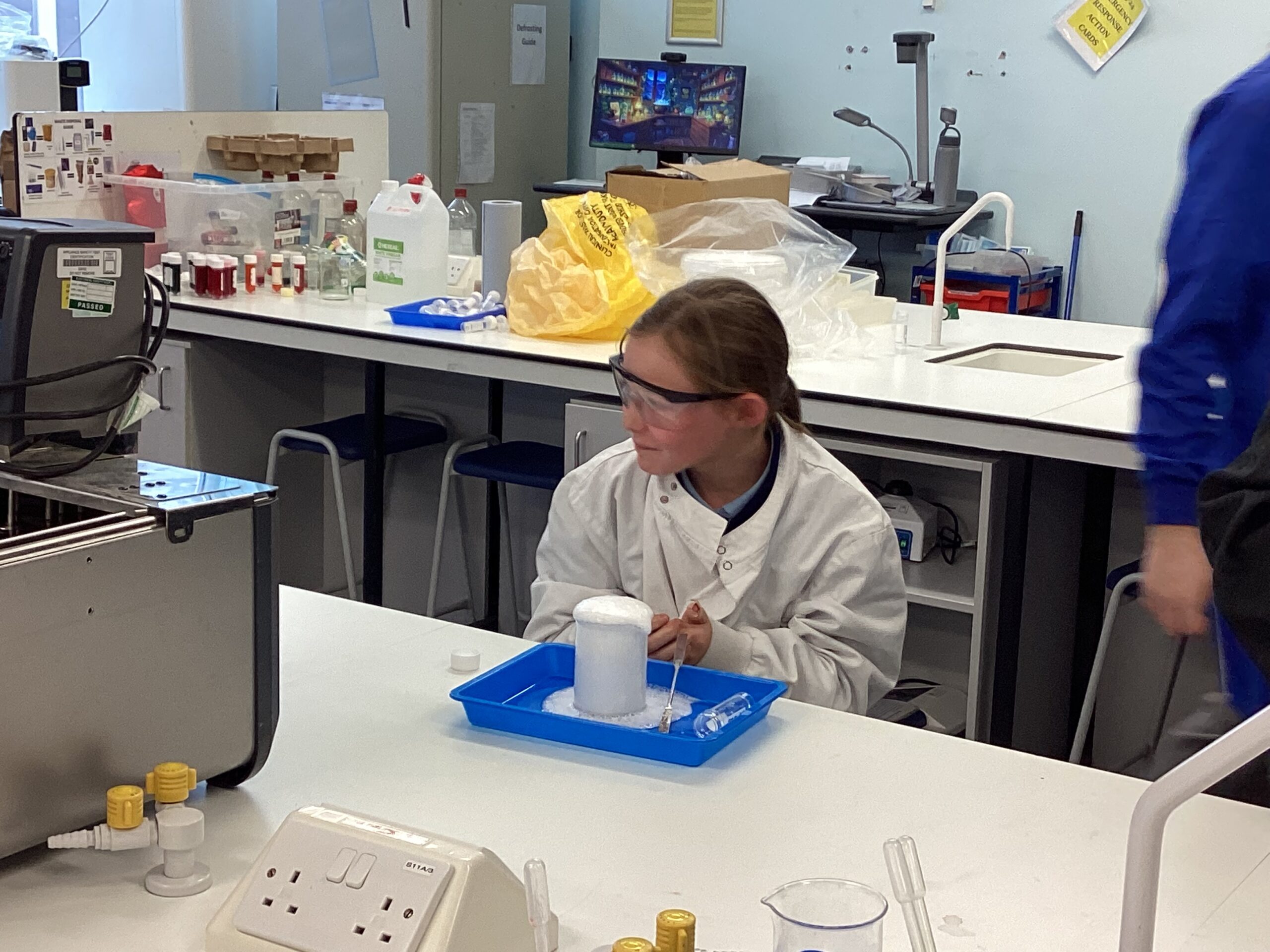
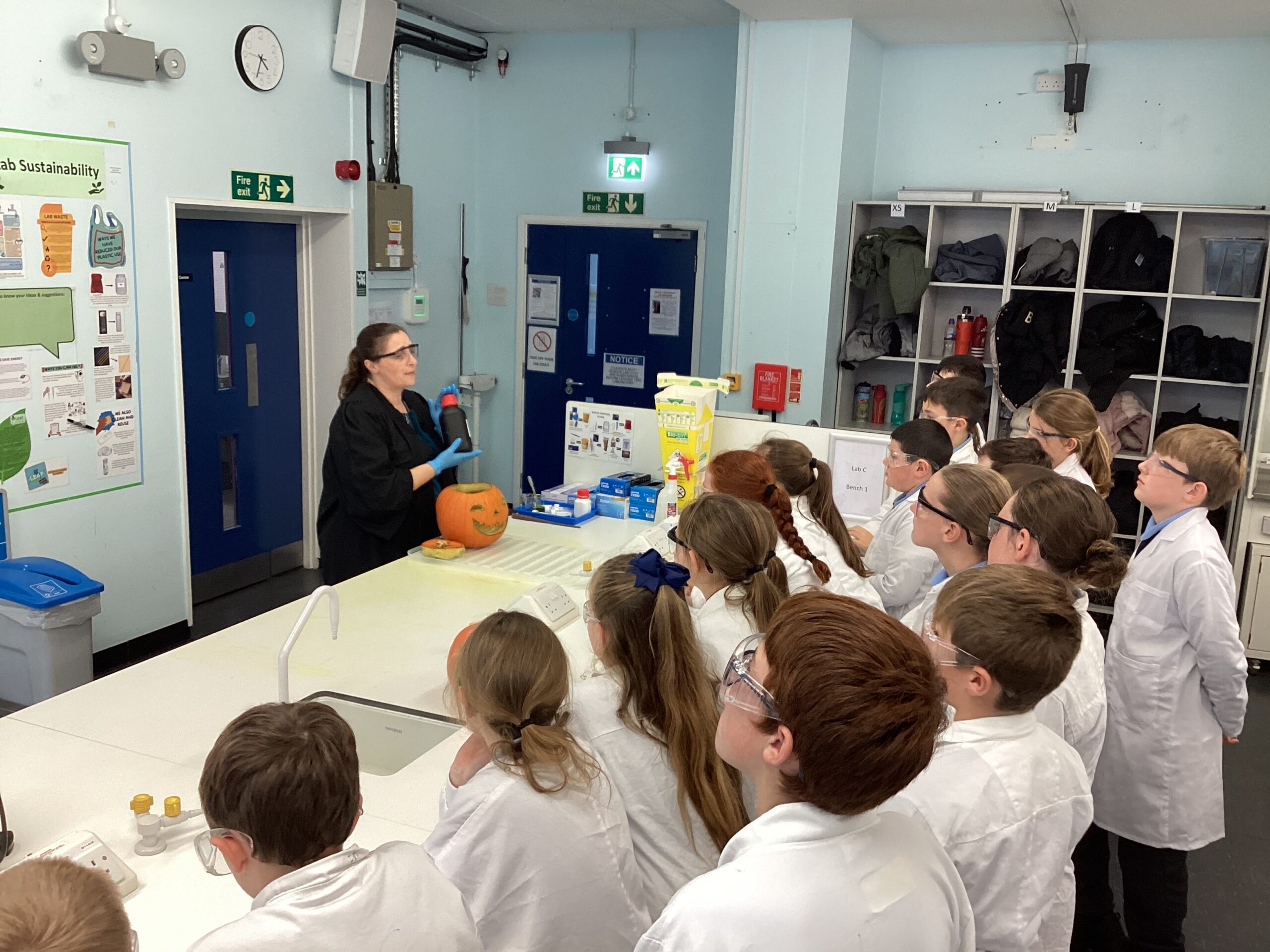
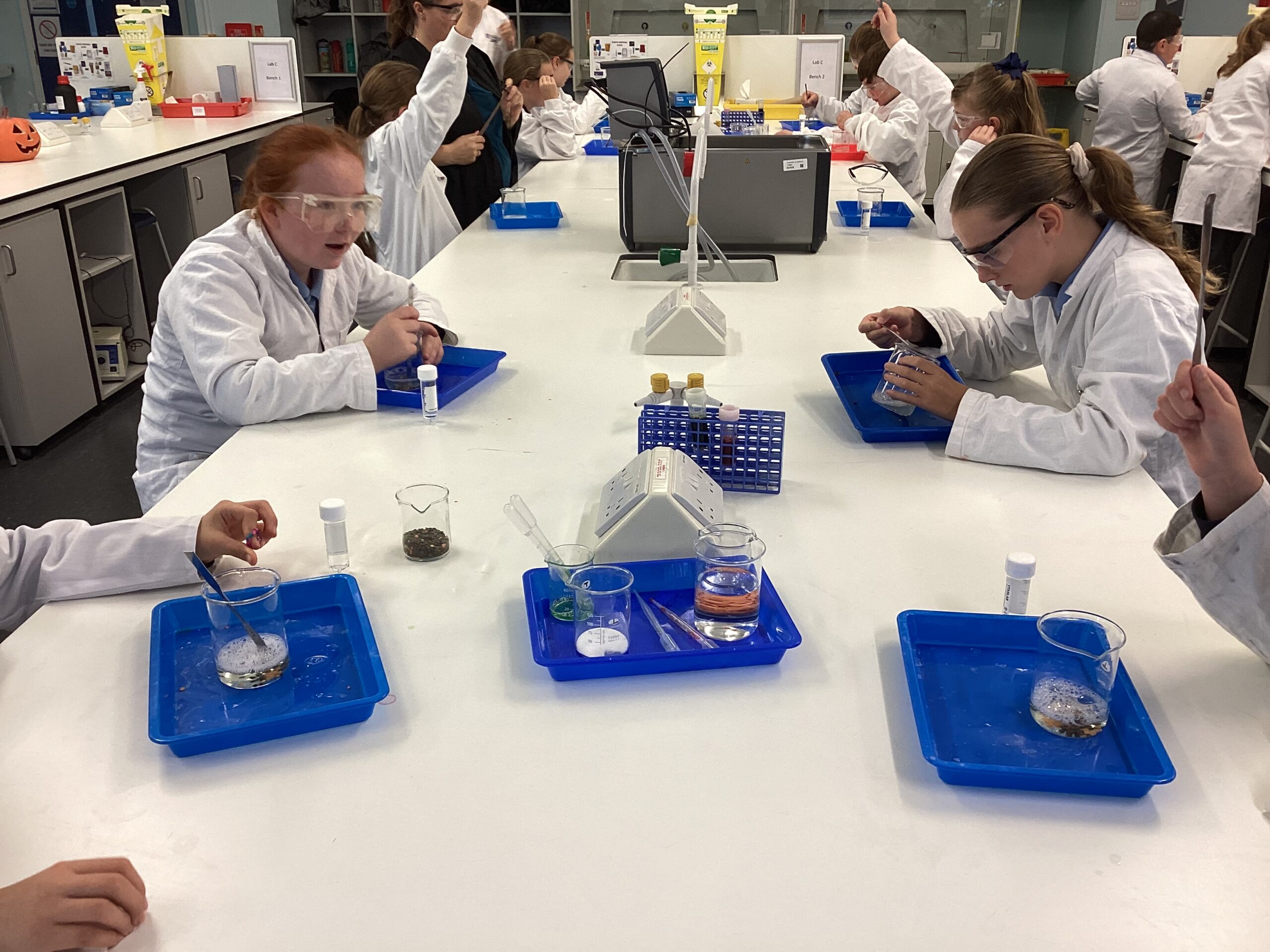
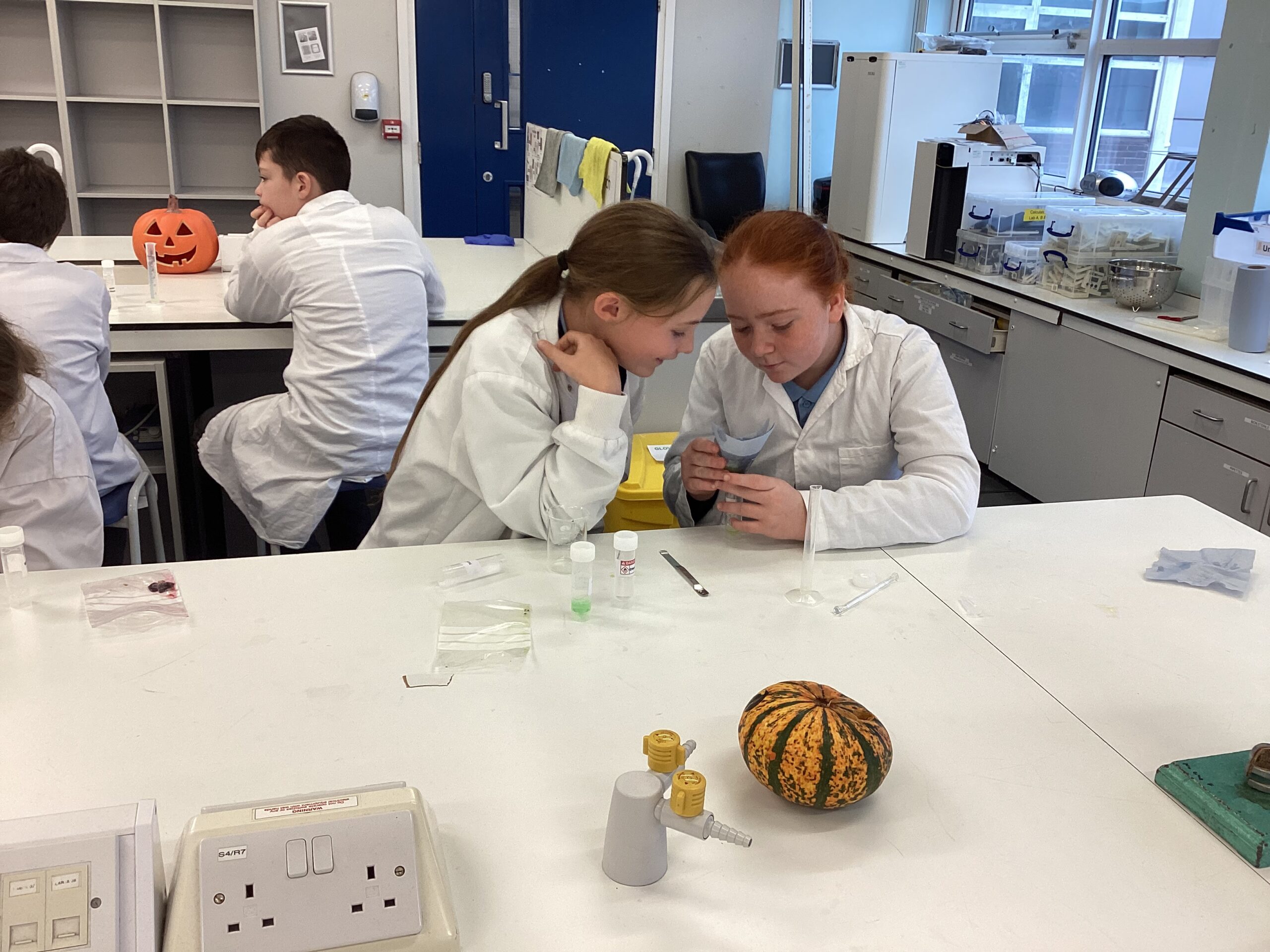
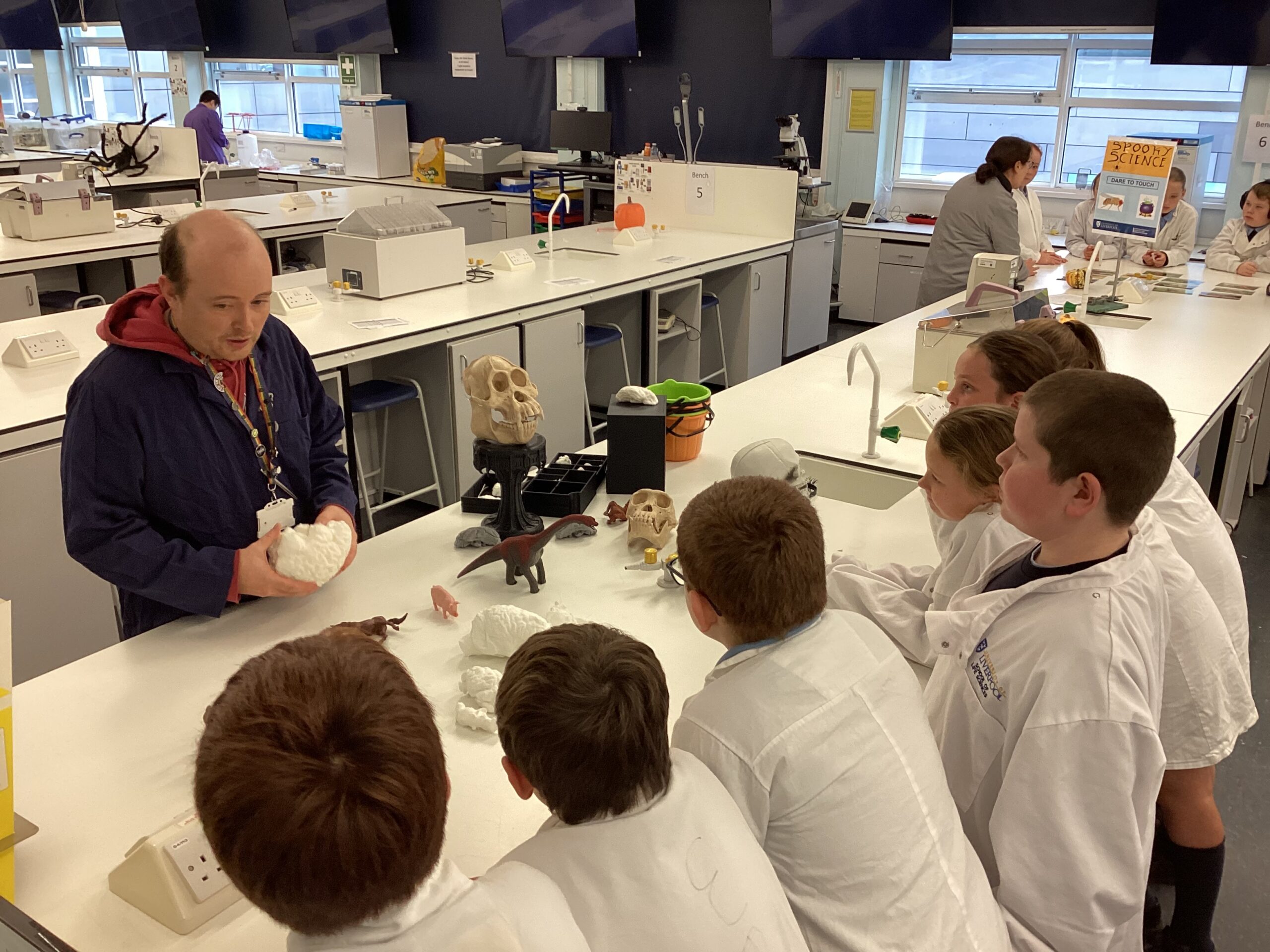
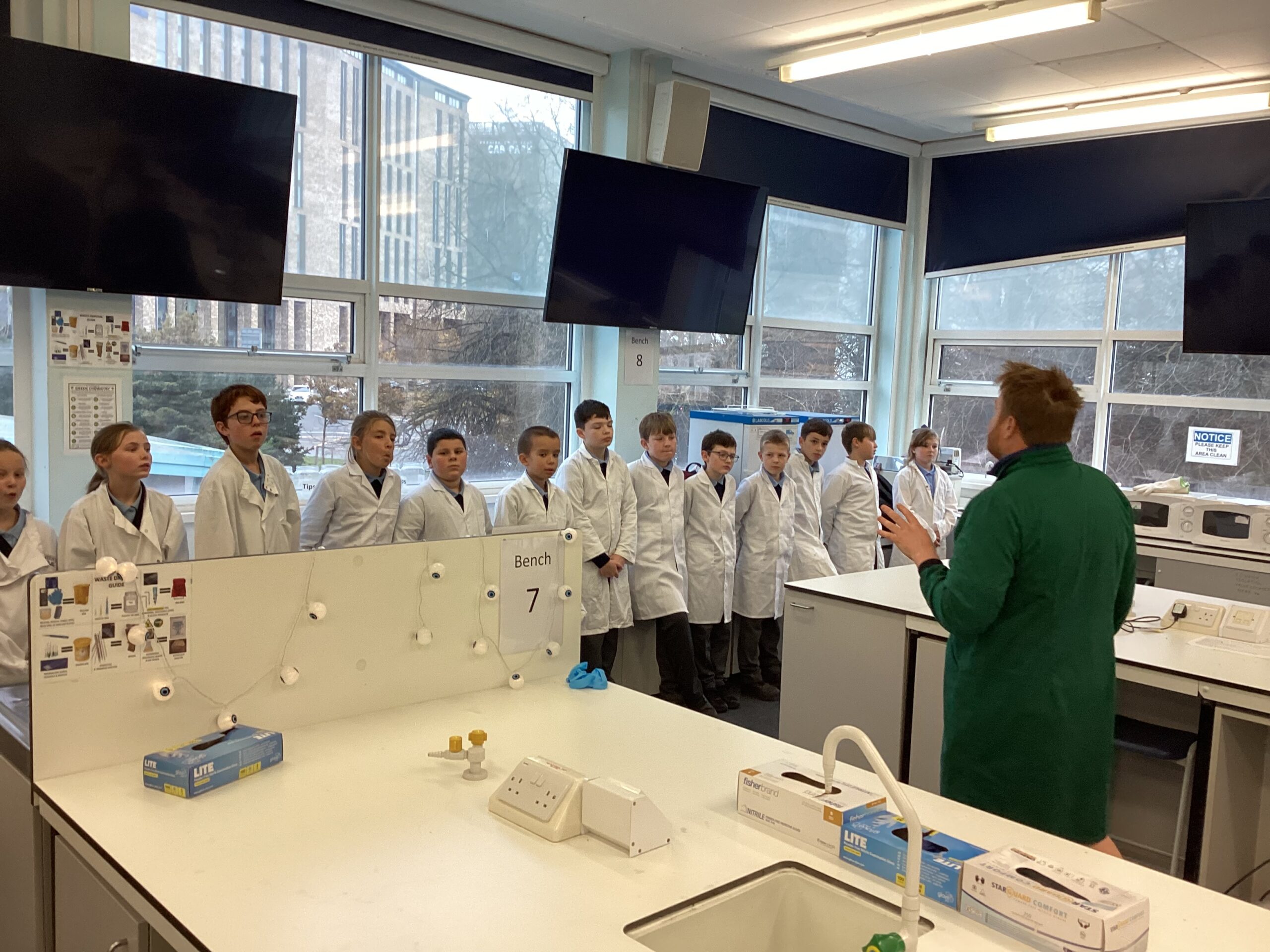
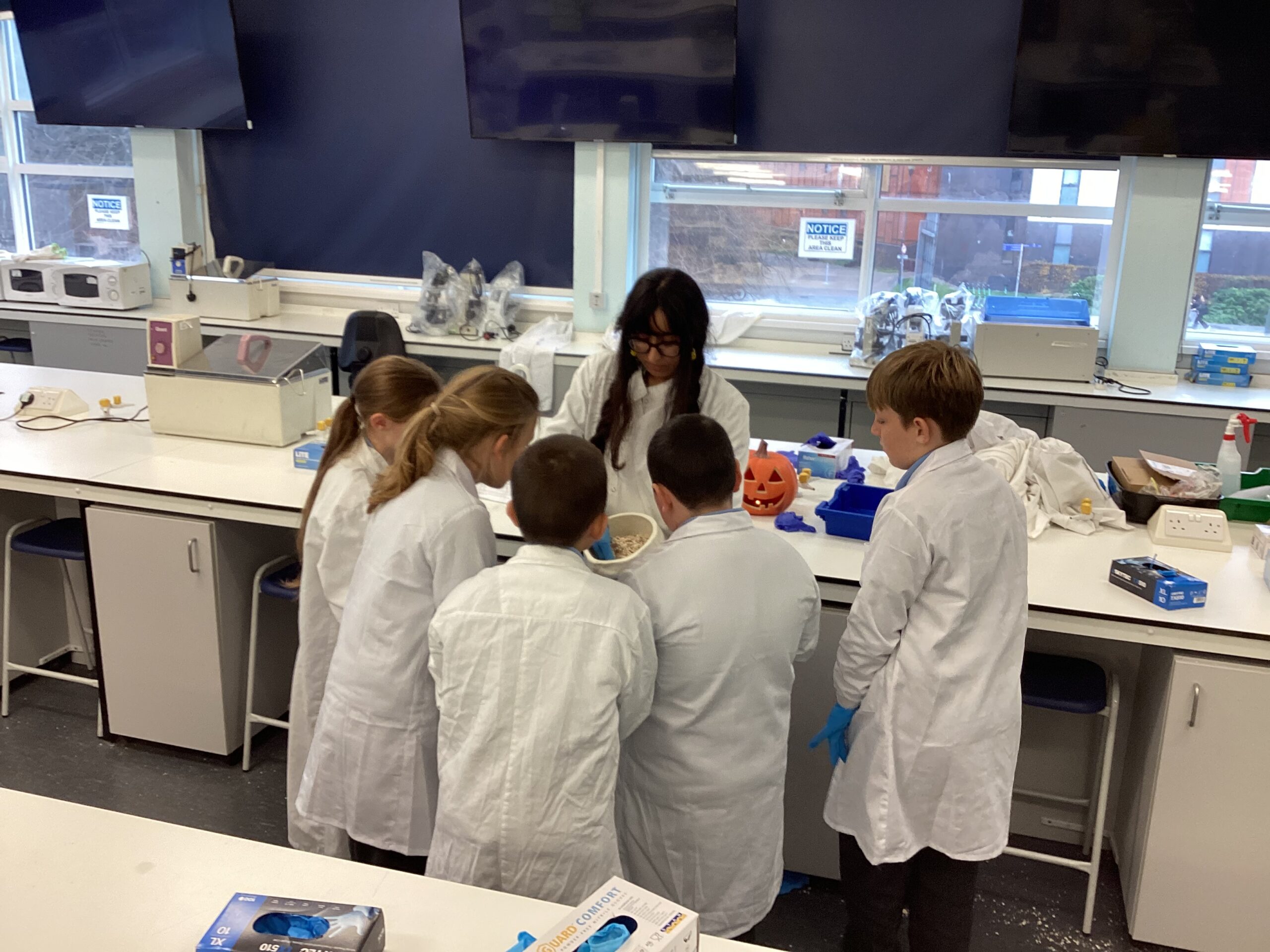
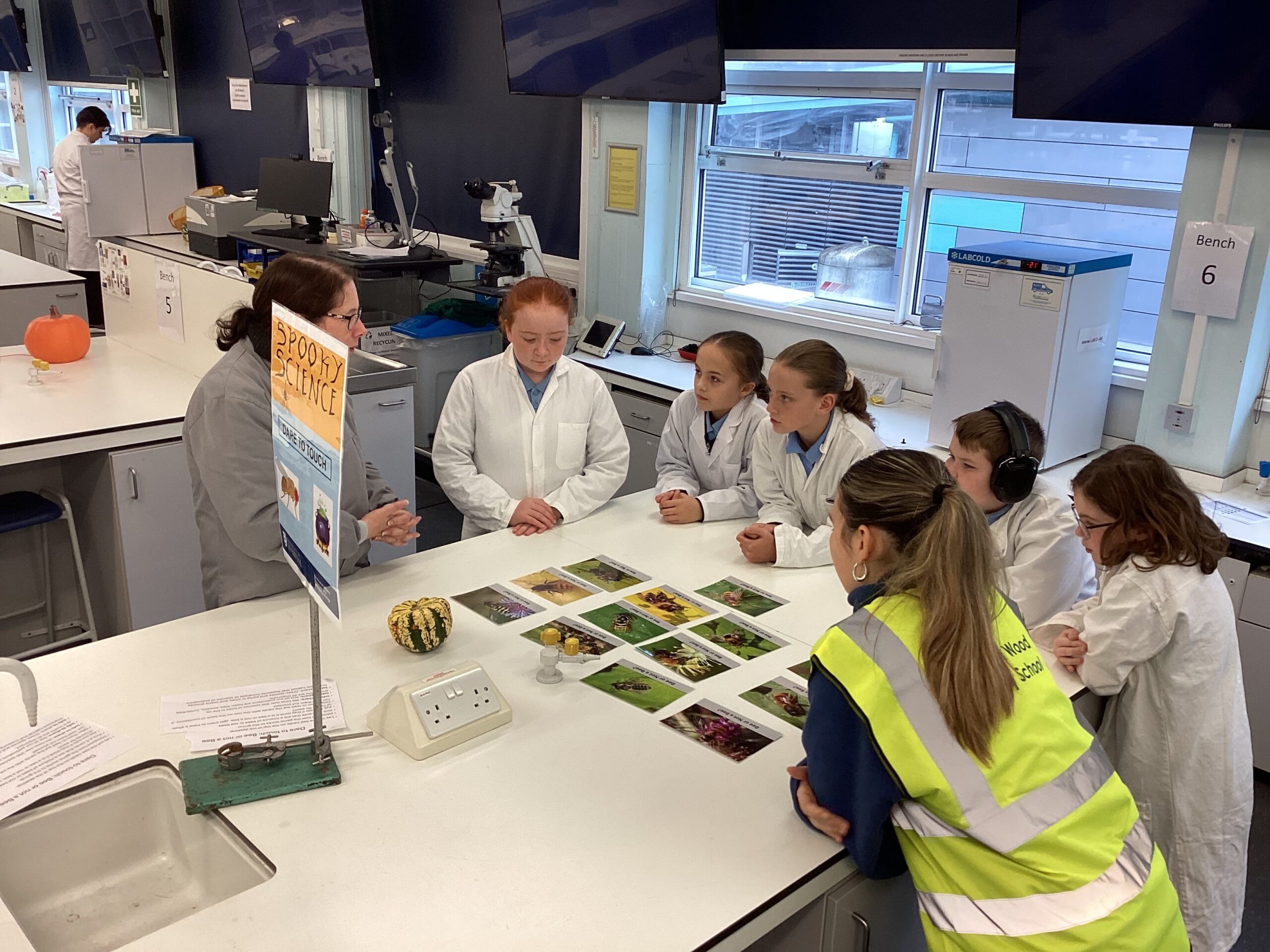
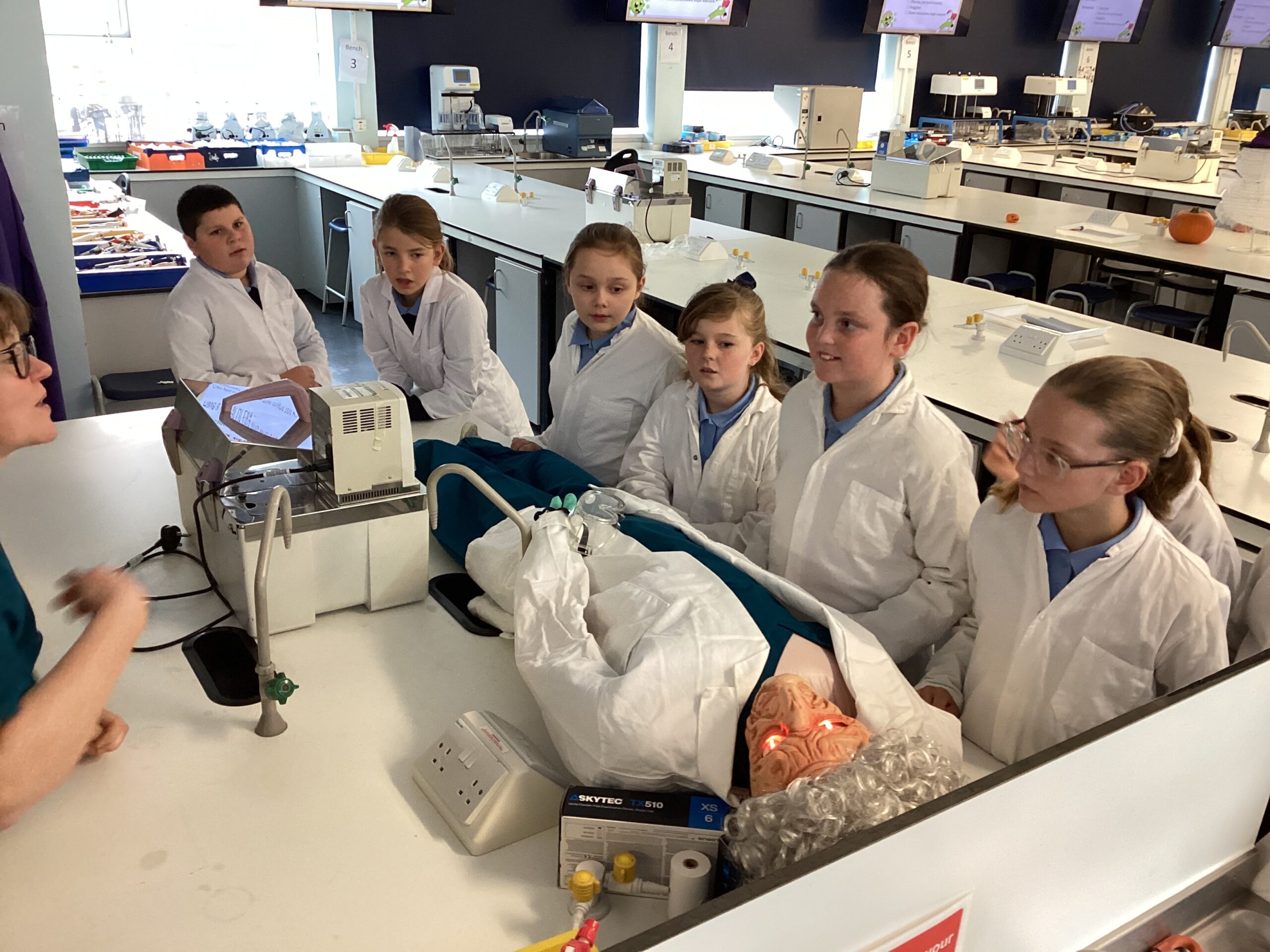
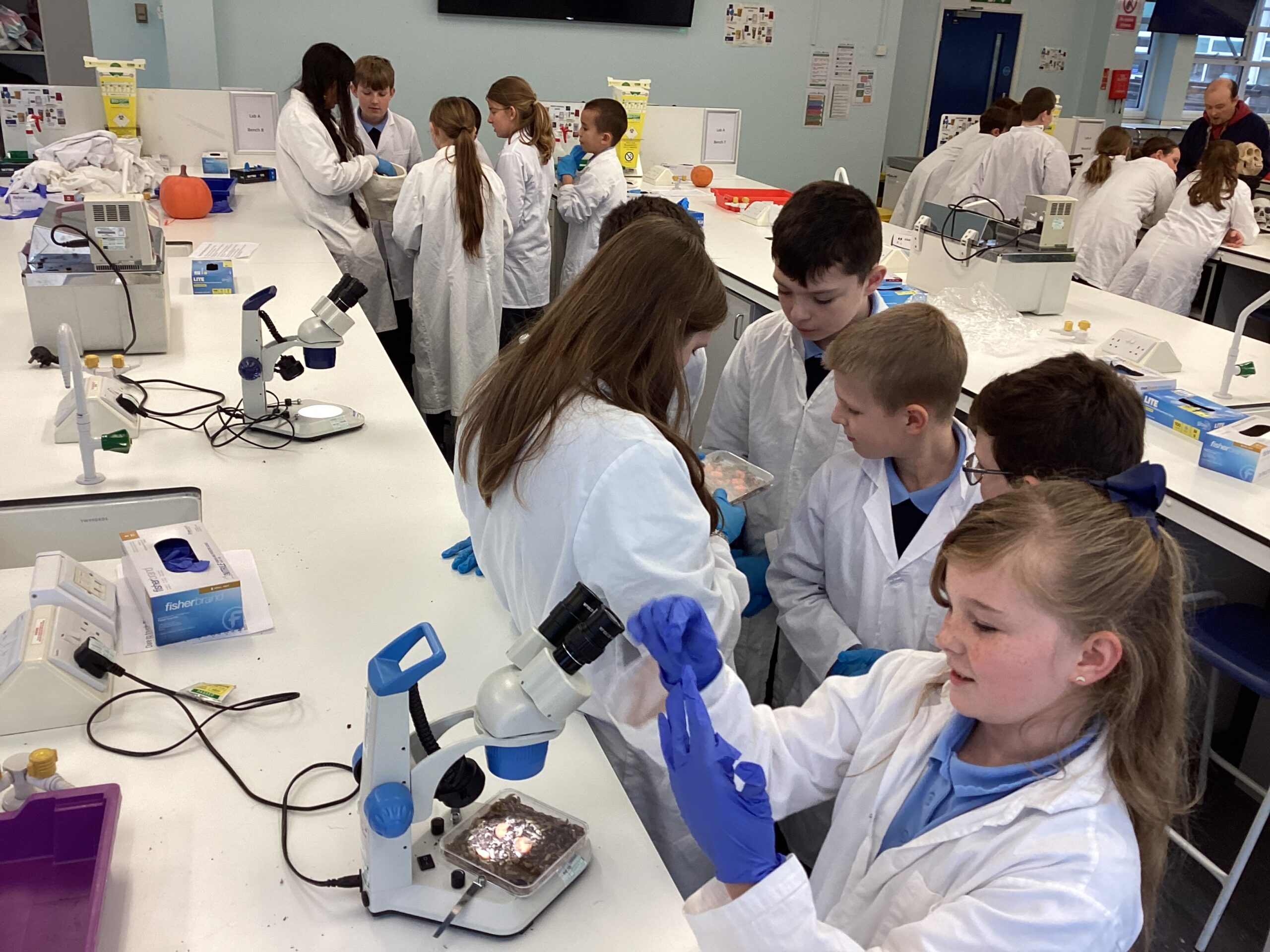
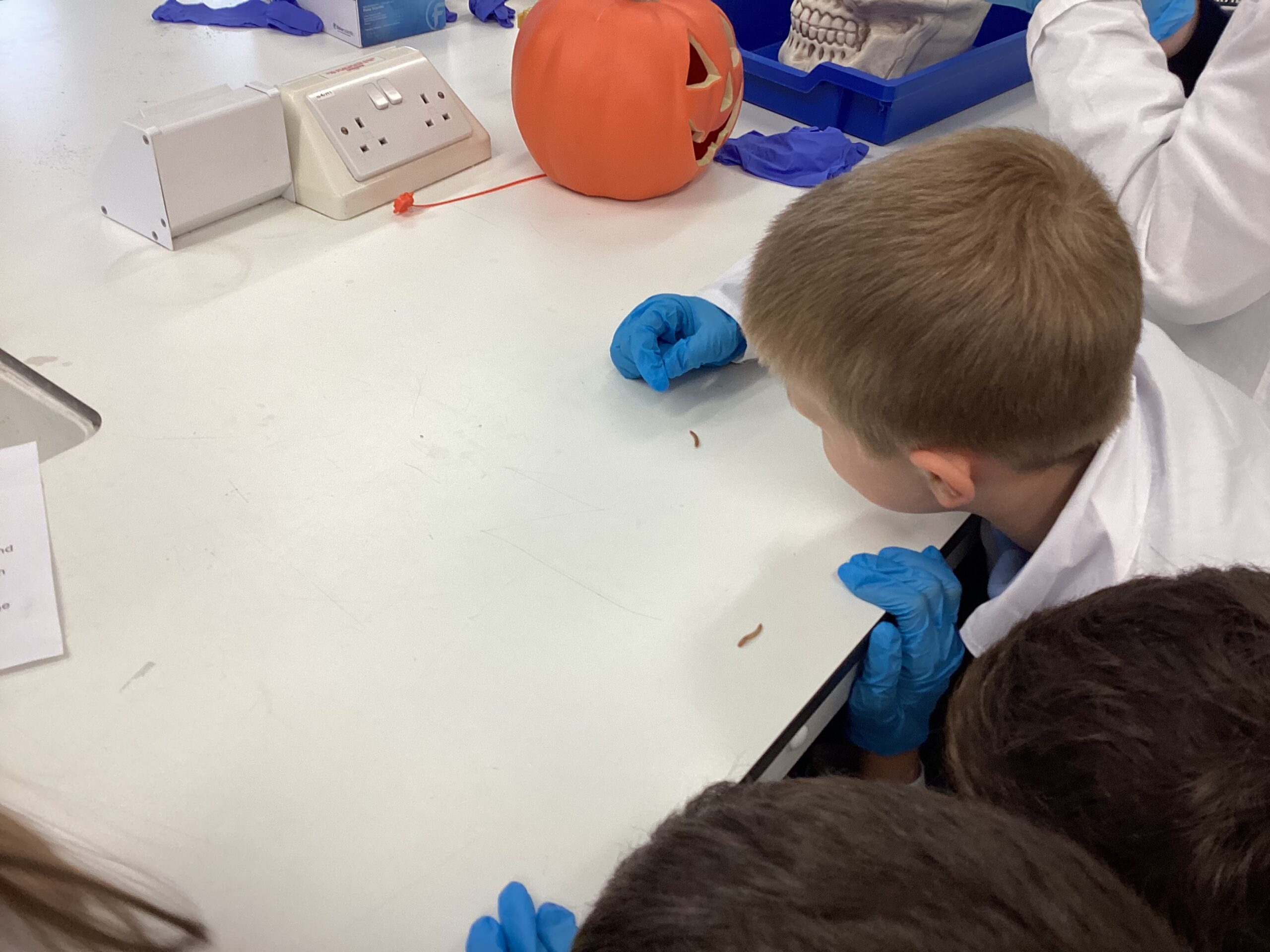
Year 6 Spooky Science Trip
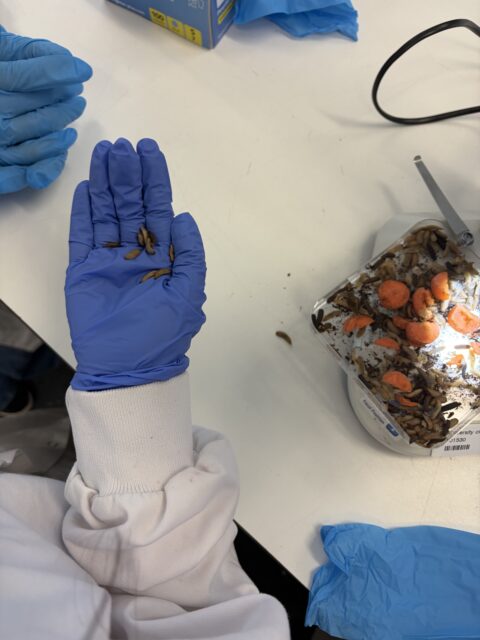
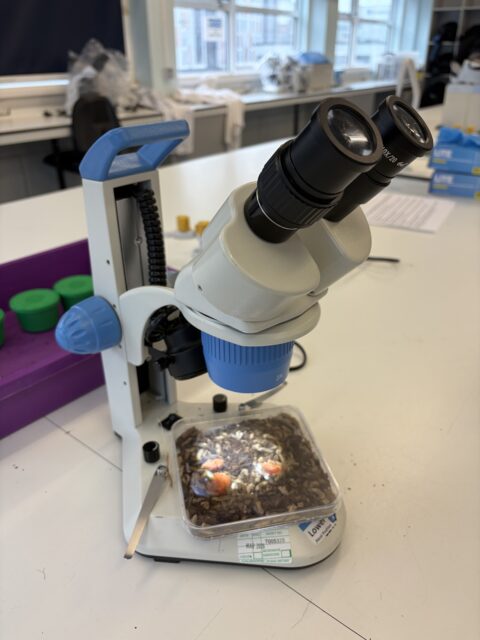
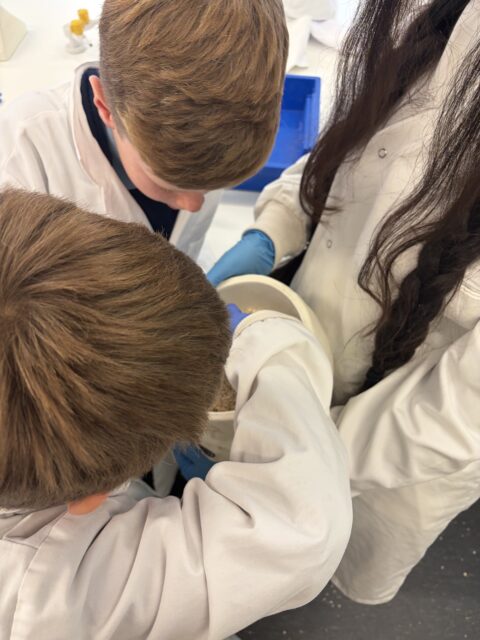
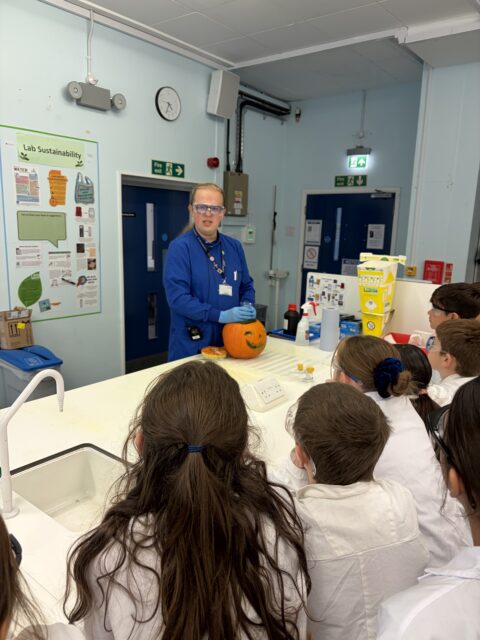
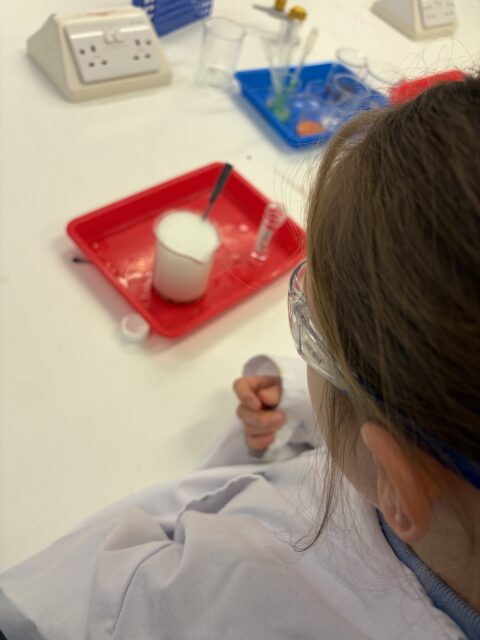
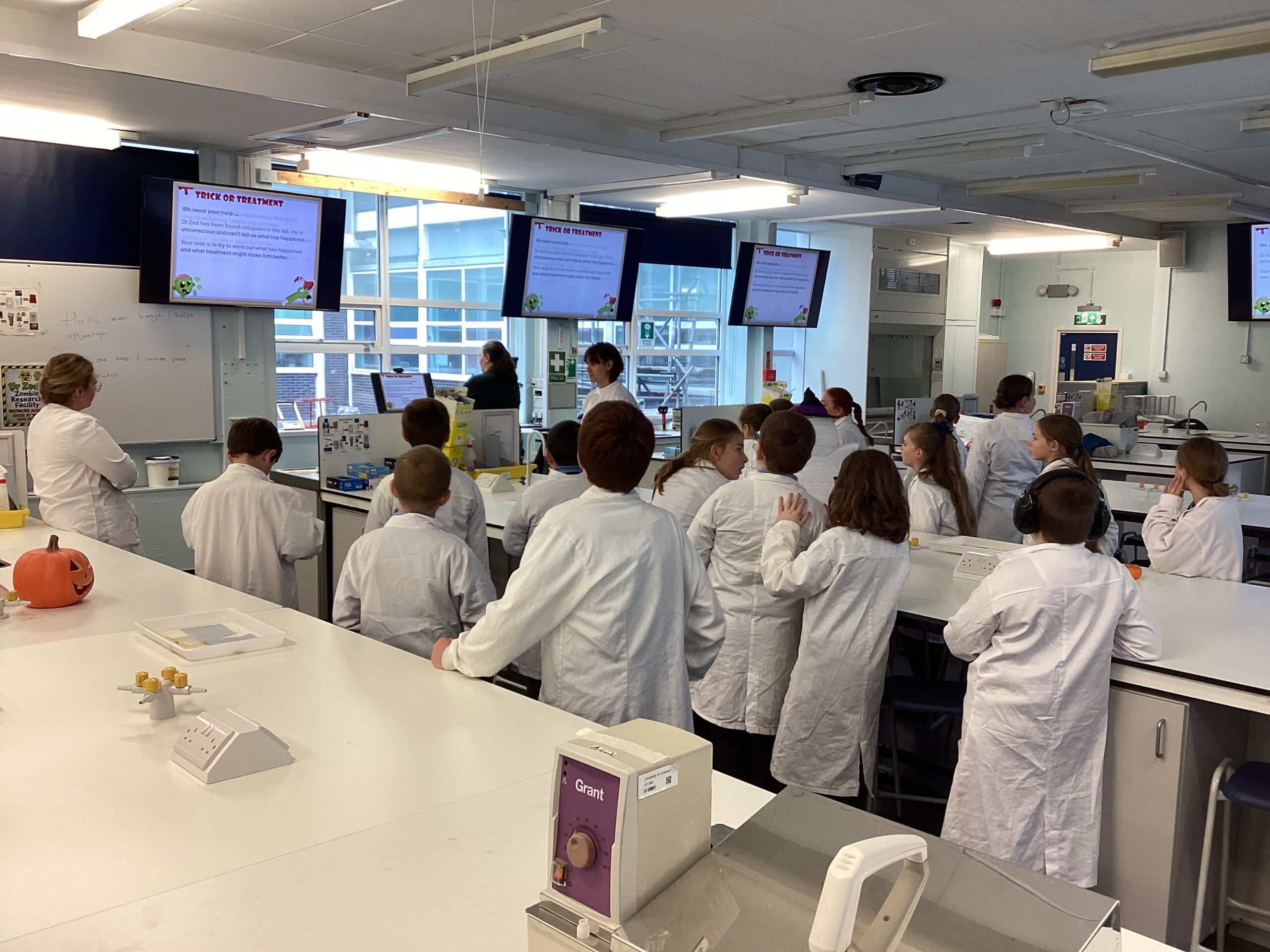
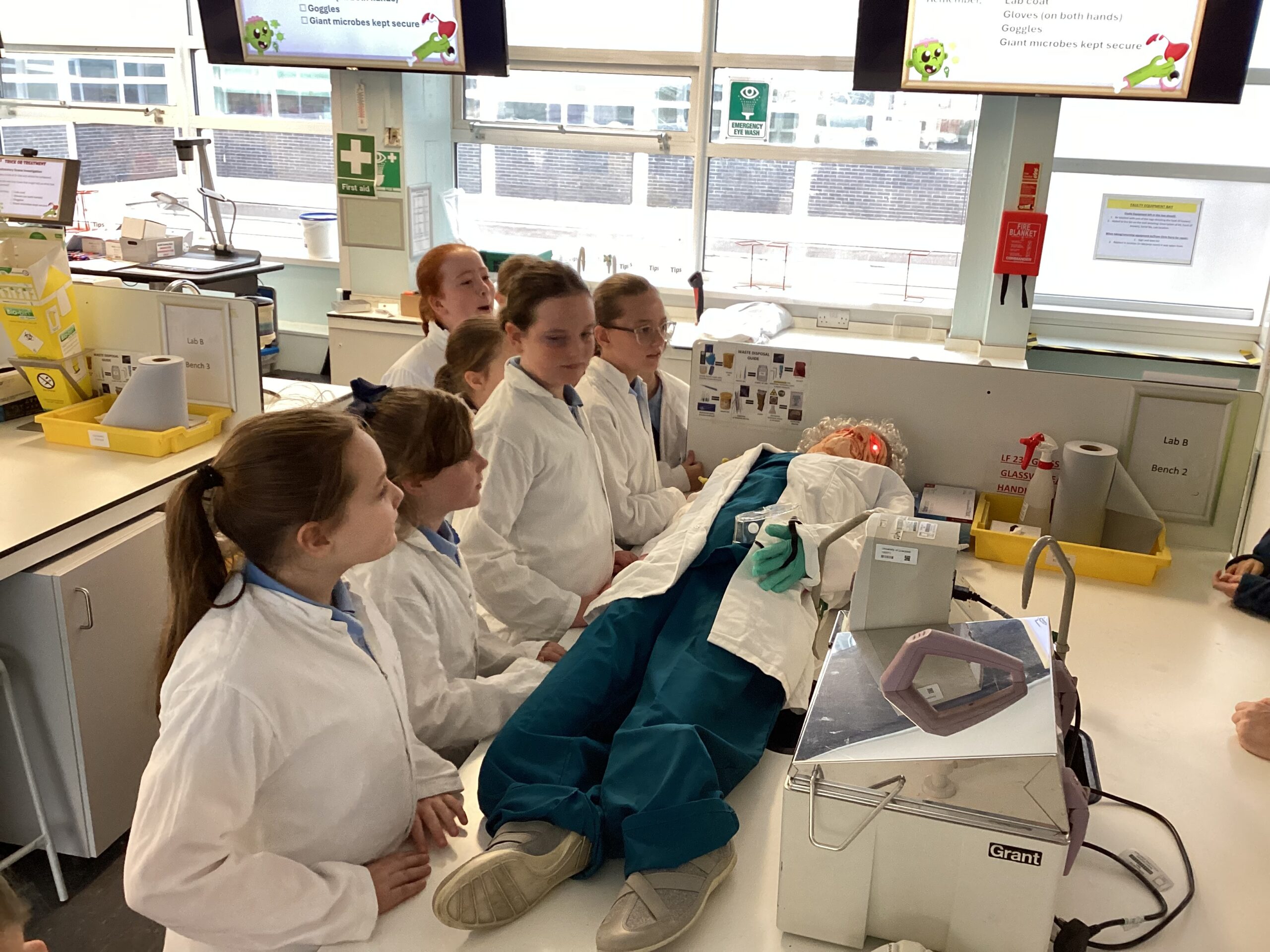
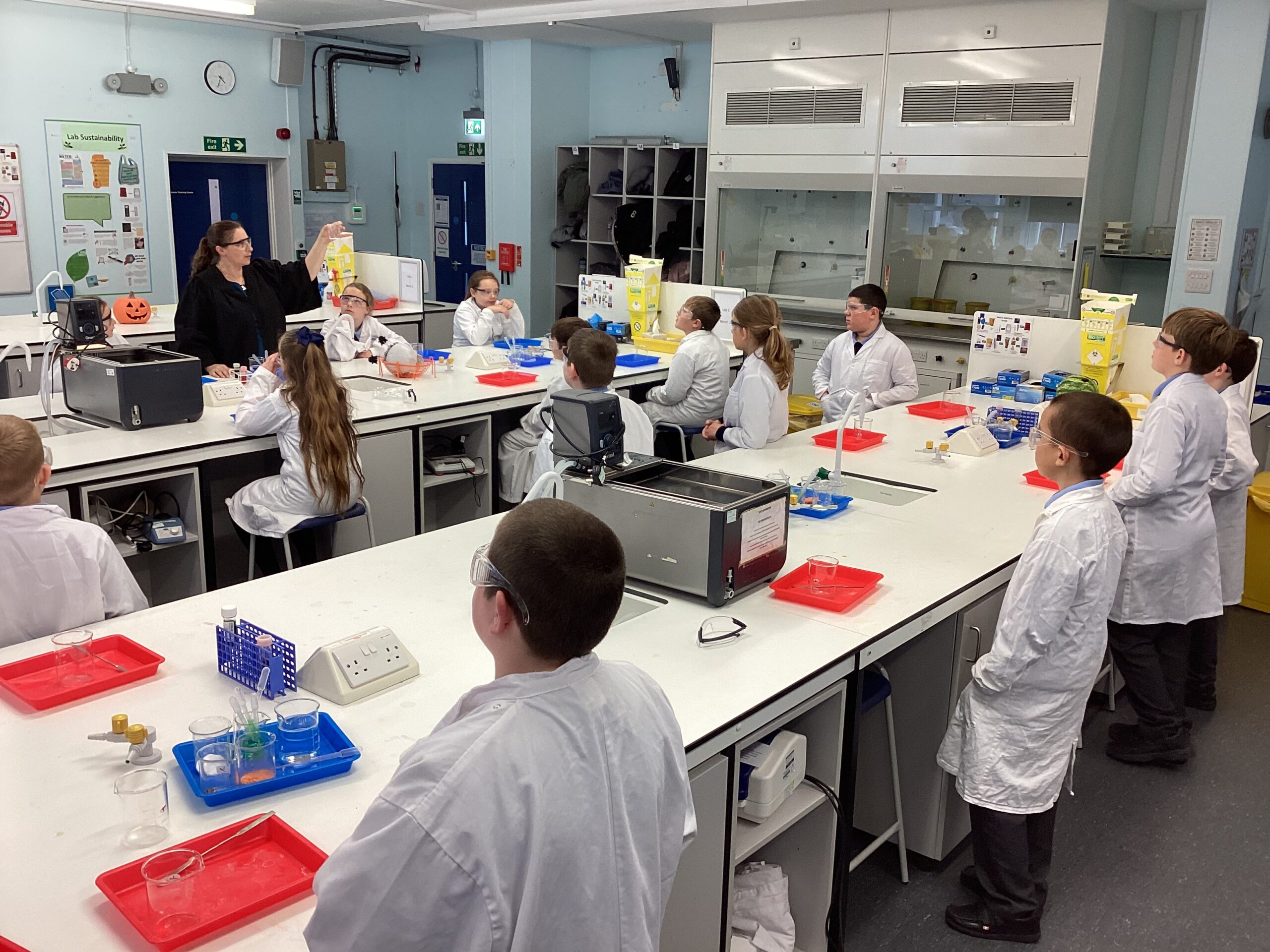
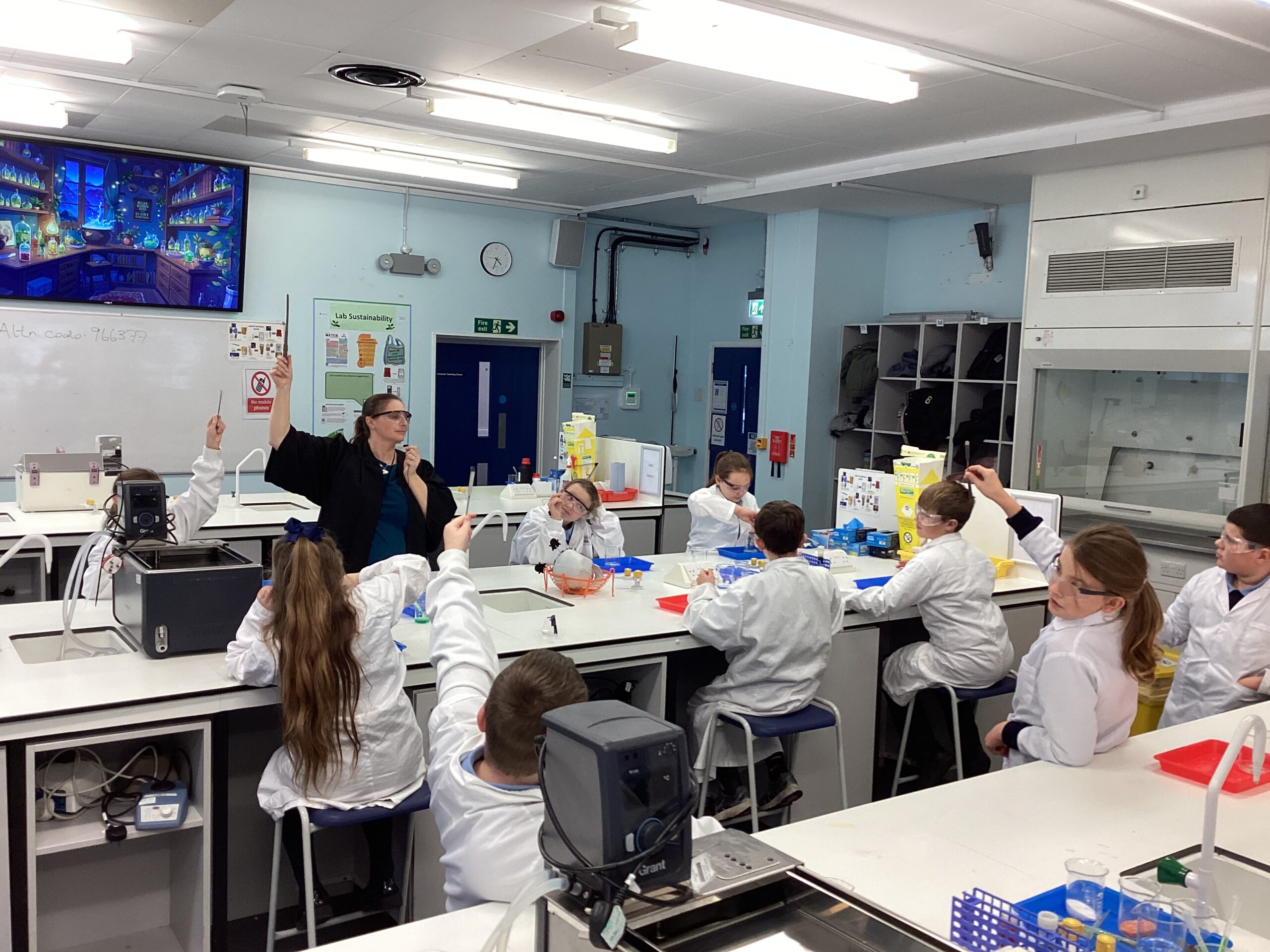
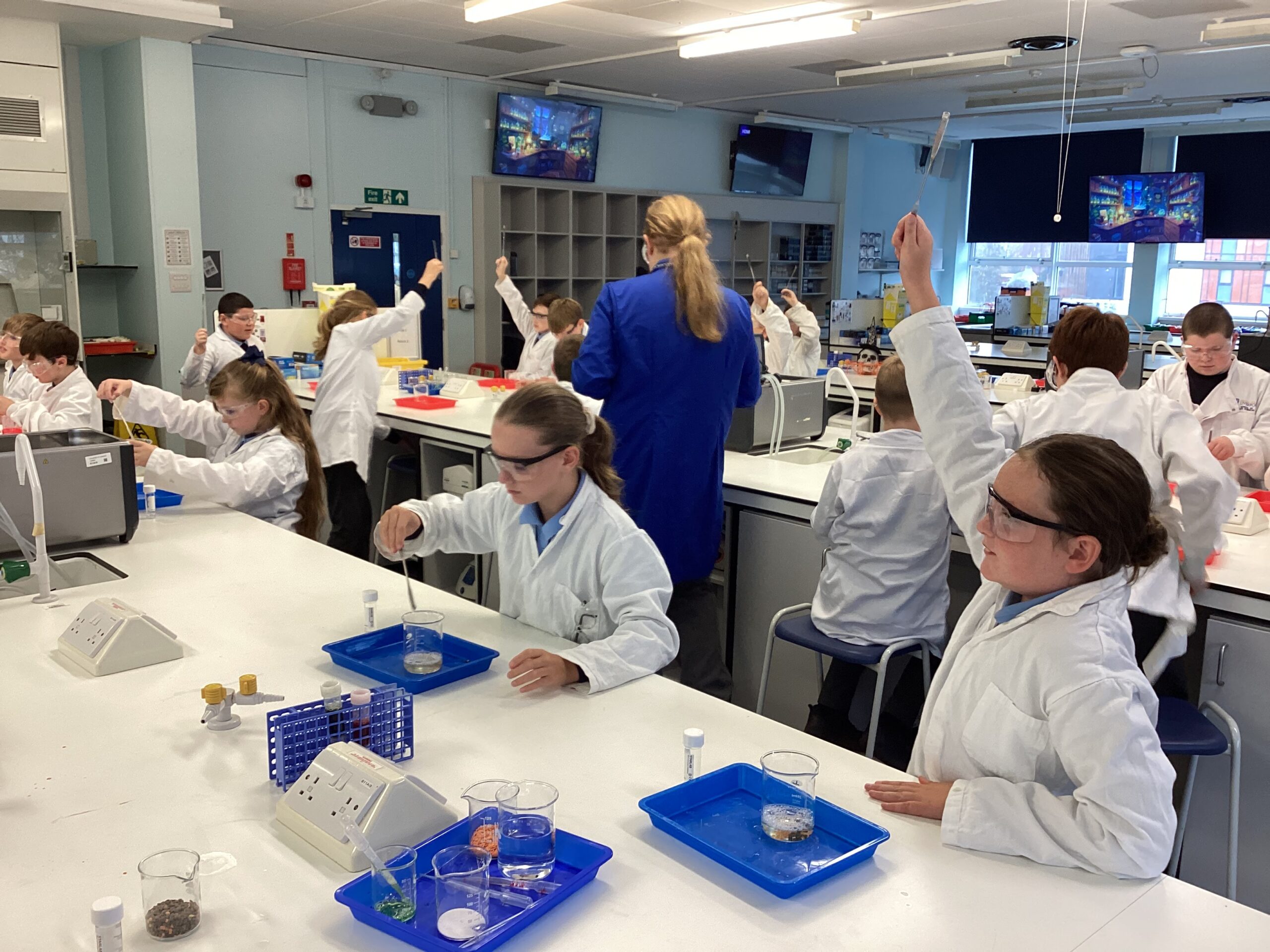
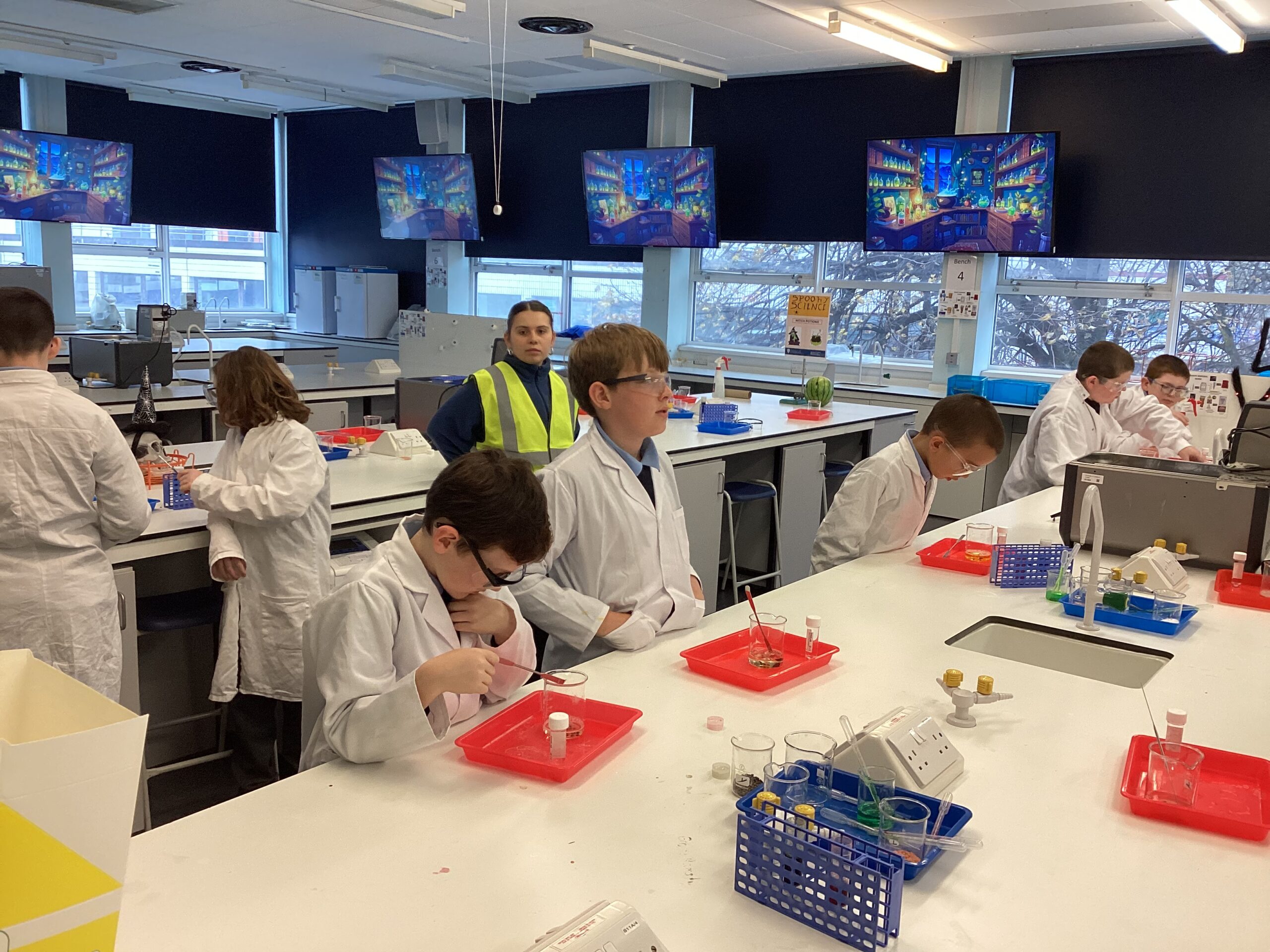
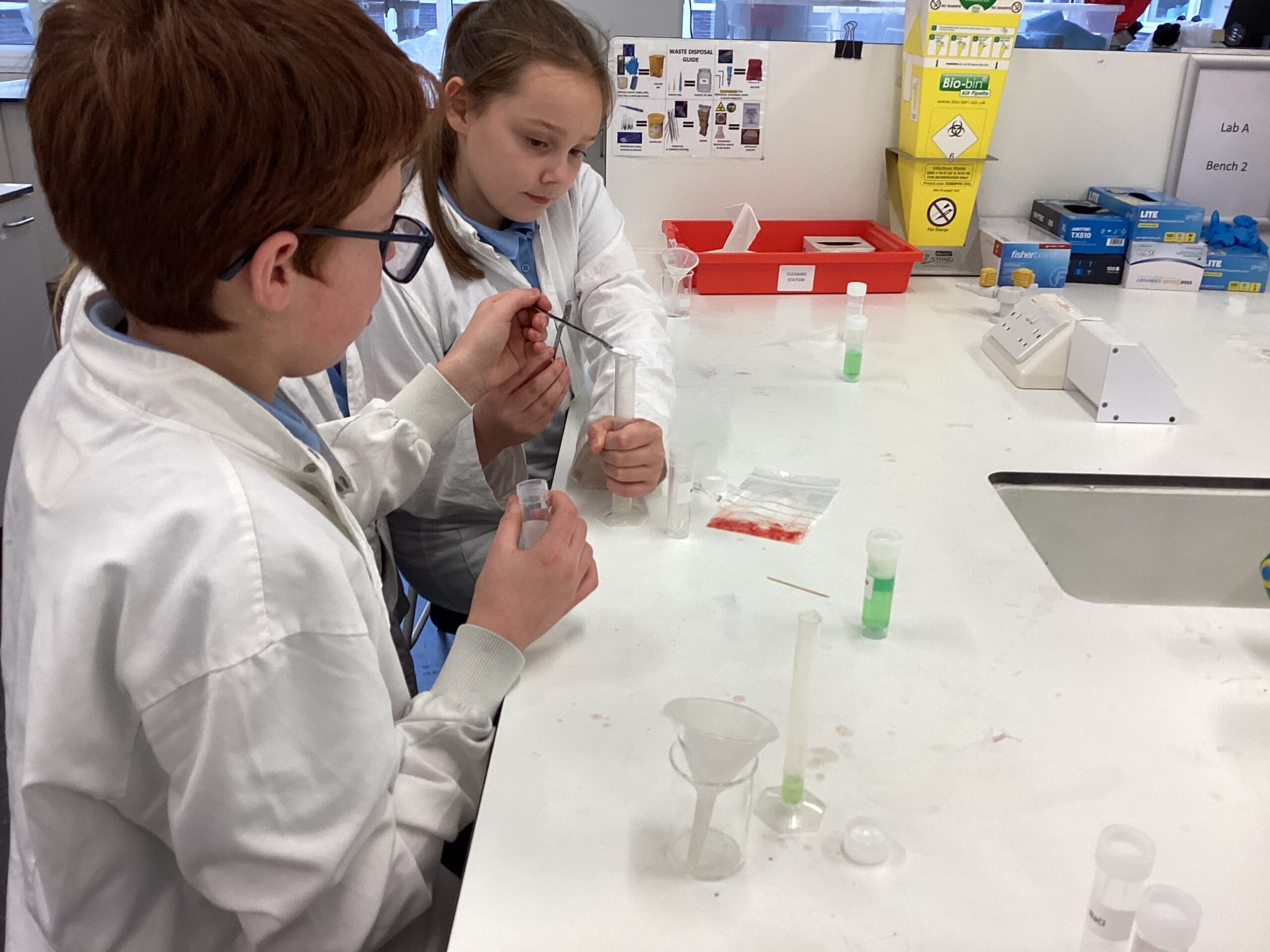
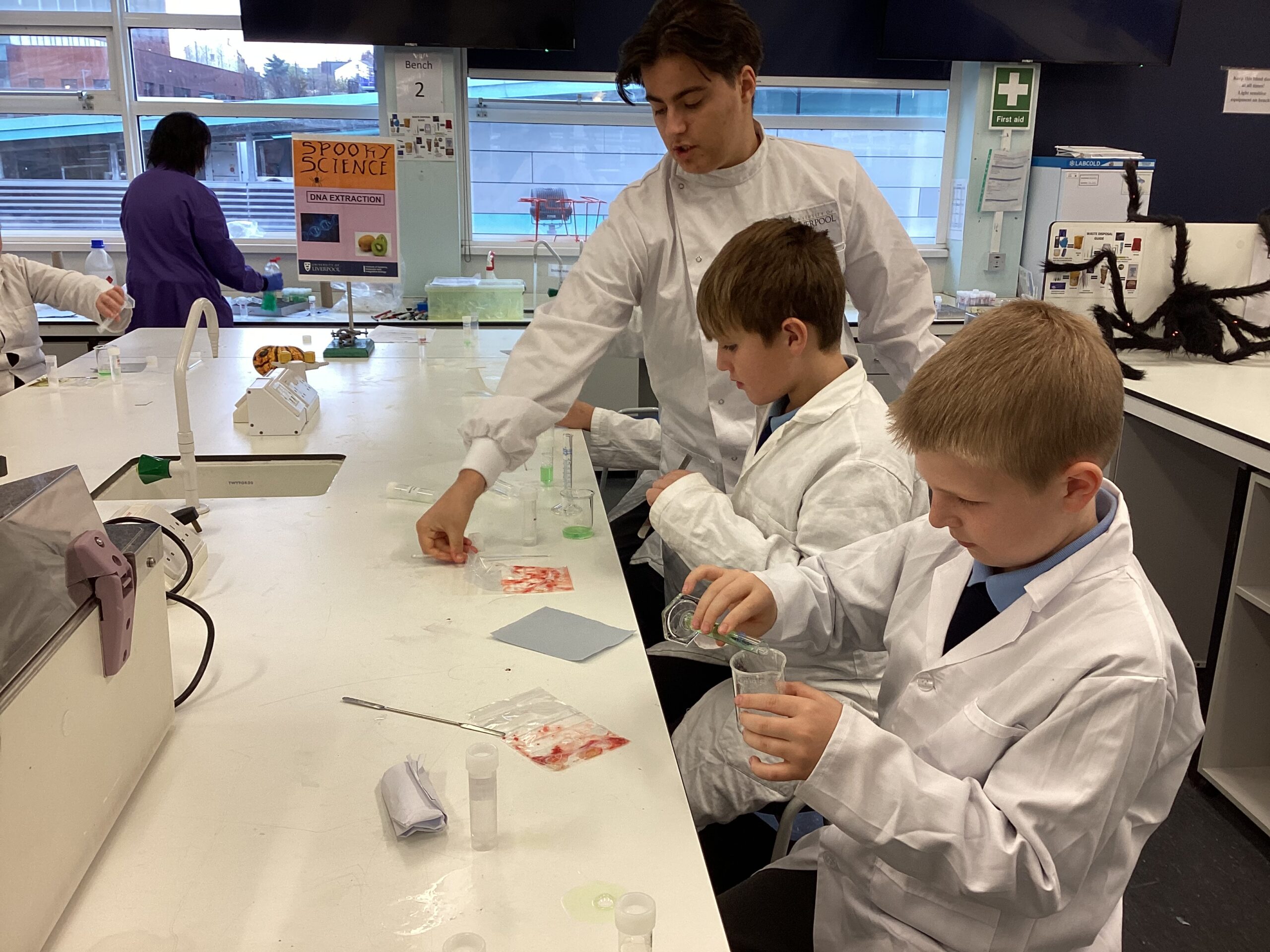
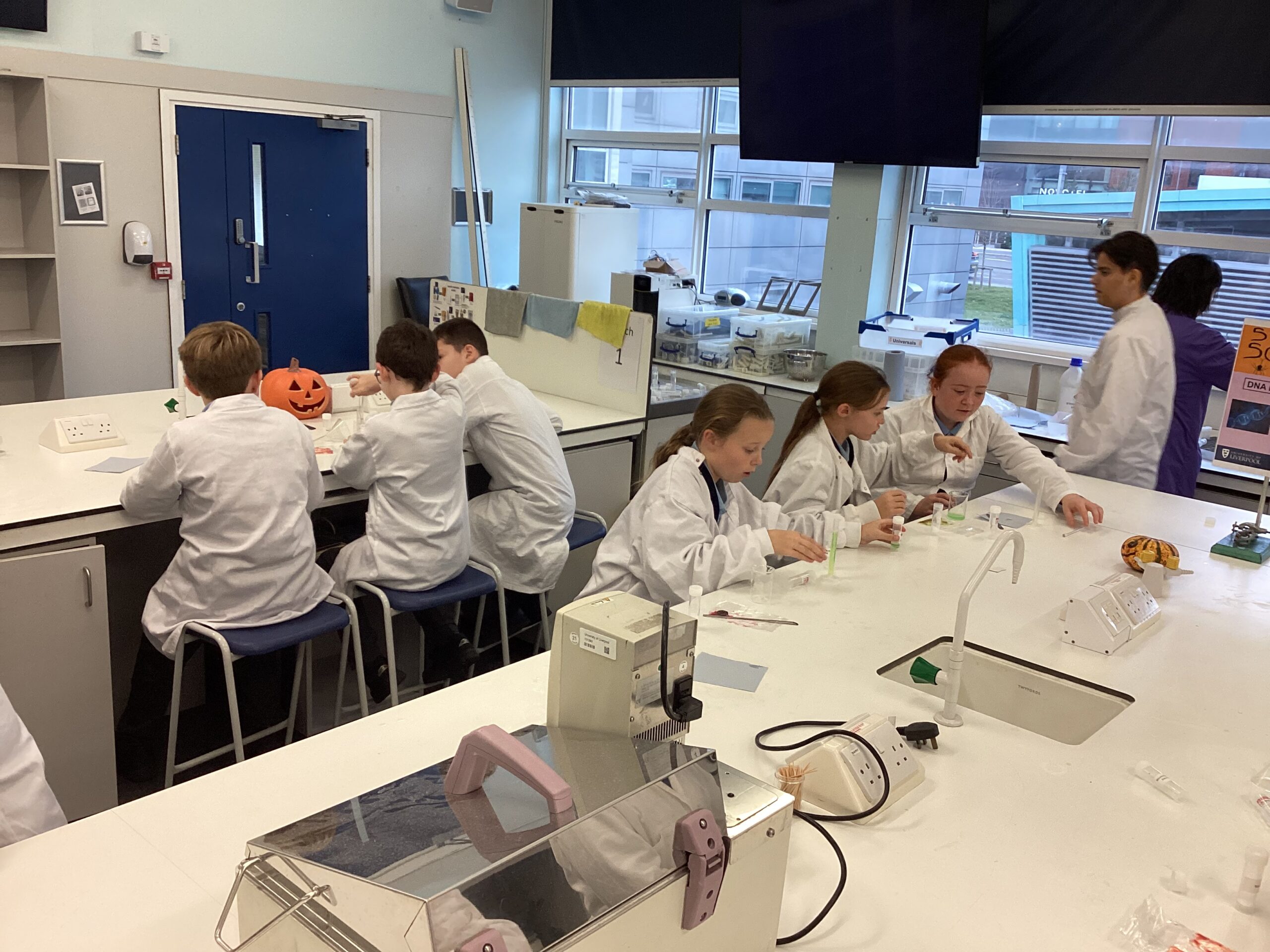
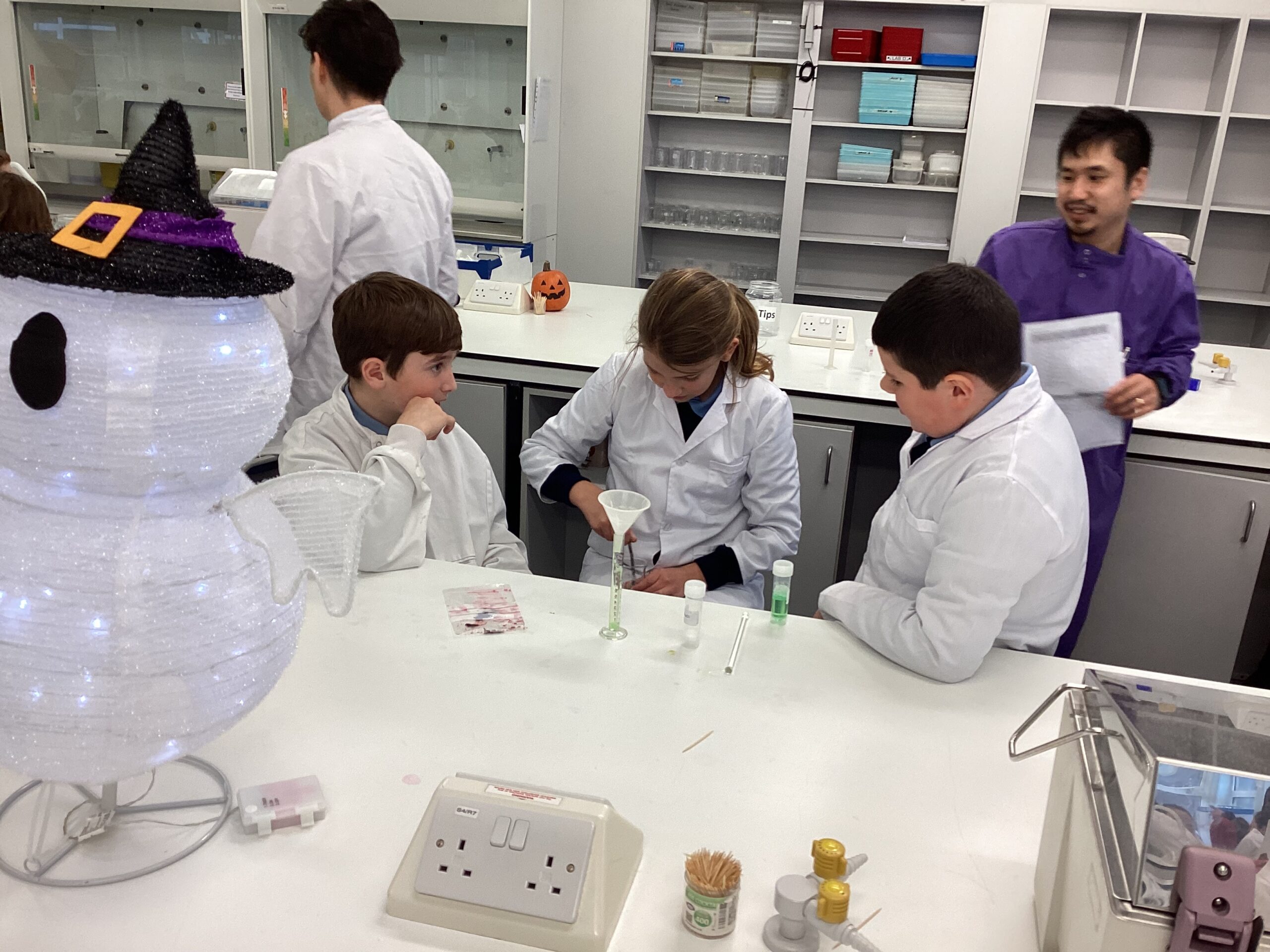
The children loved being in the lab for the afternoon experimenting!
Year 6- Spooky Science
Year 6 were invited to The University of Liverpool to take part in Spooky Science. The children extracted fruit DNA, investigated viruses and created different potions.
Science meets Maths!
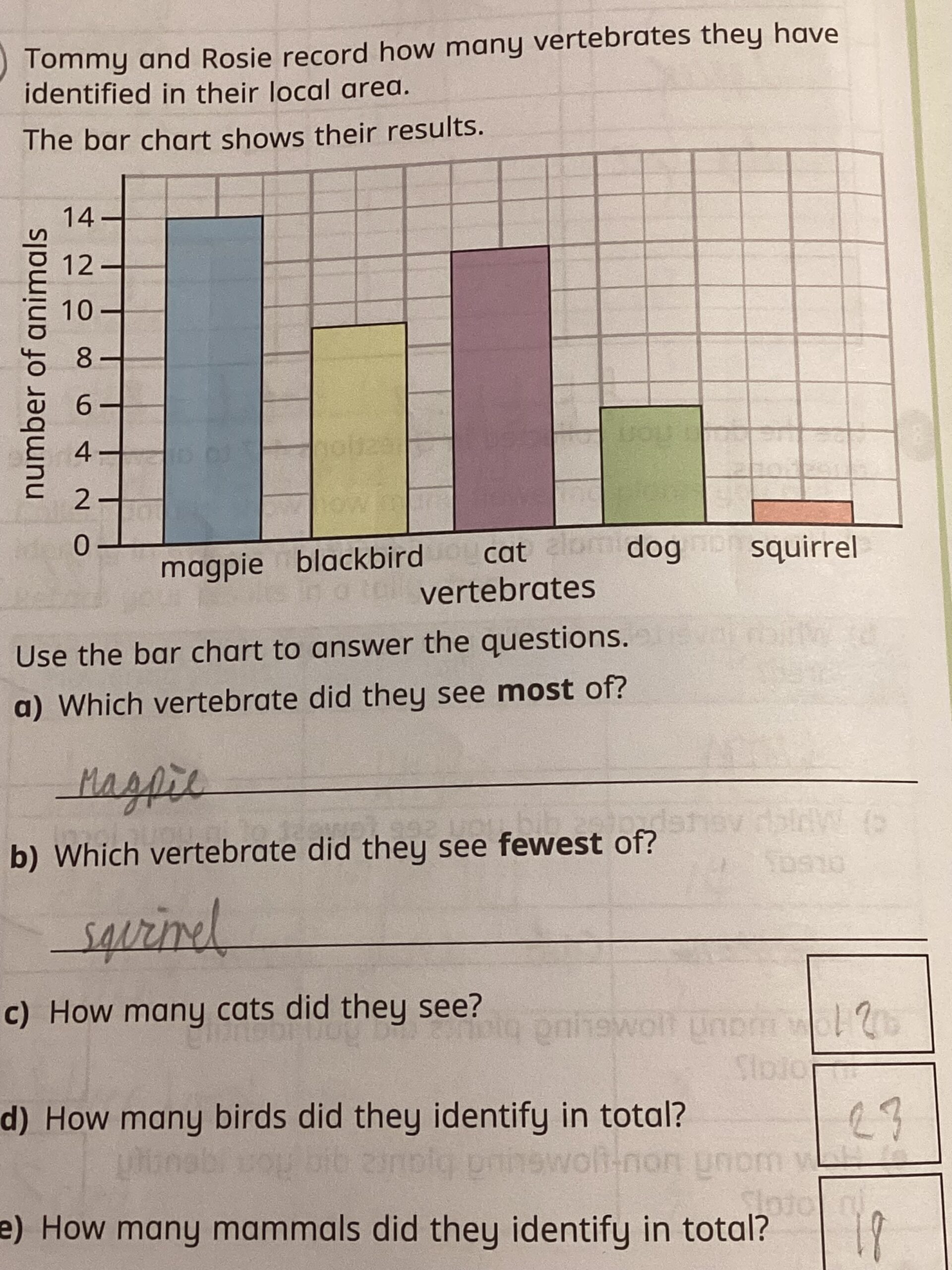
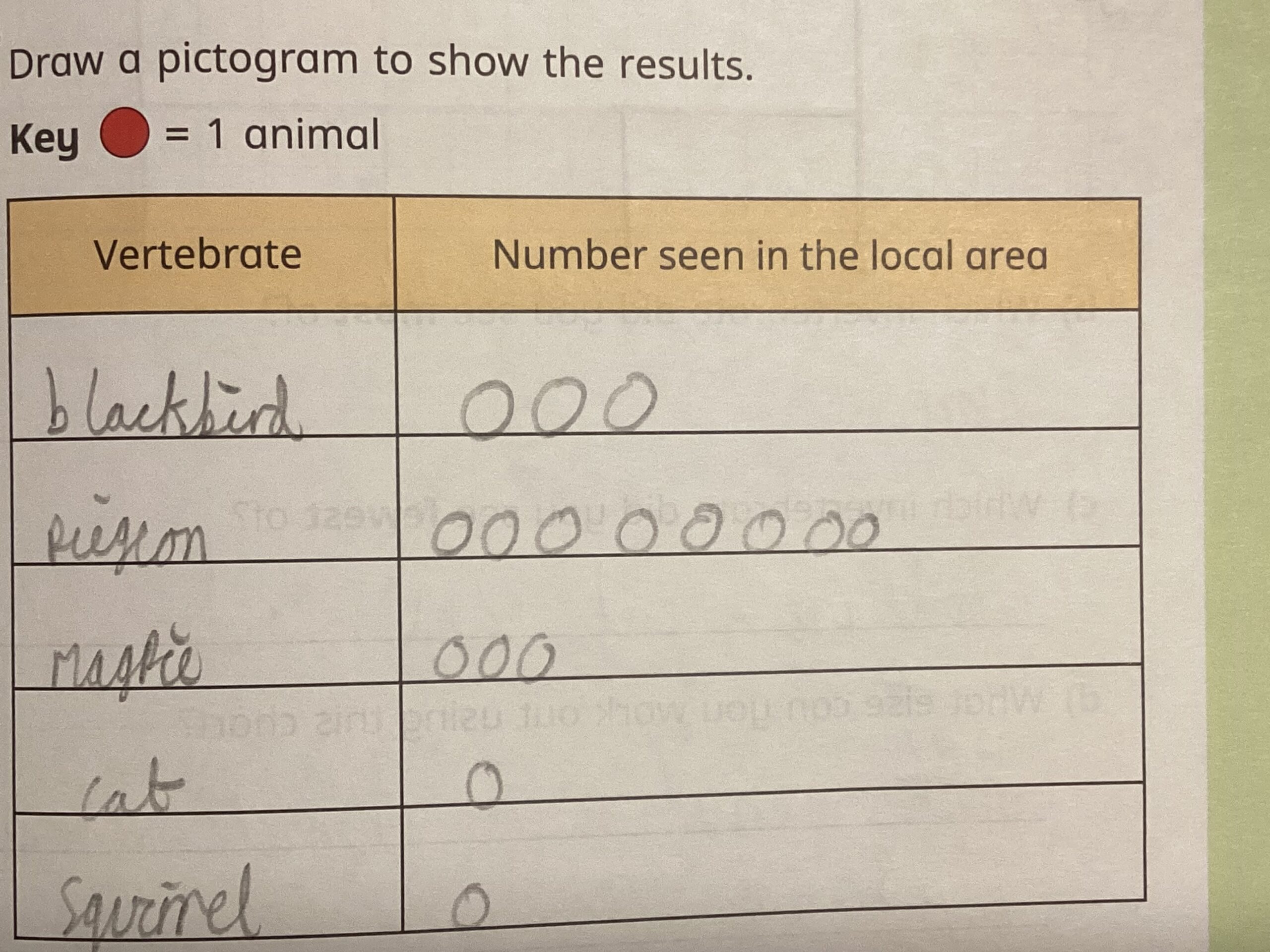
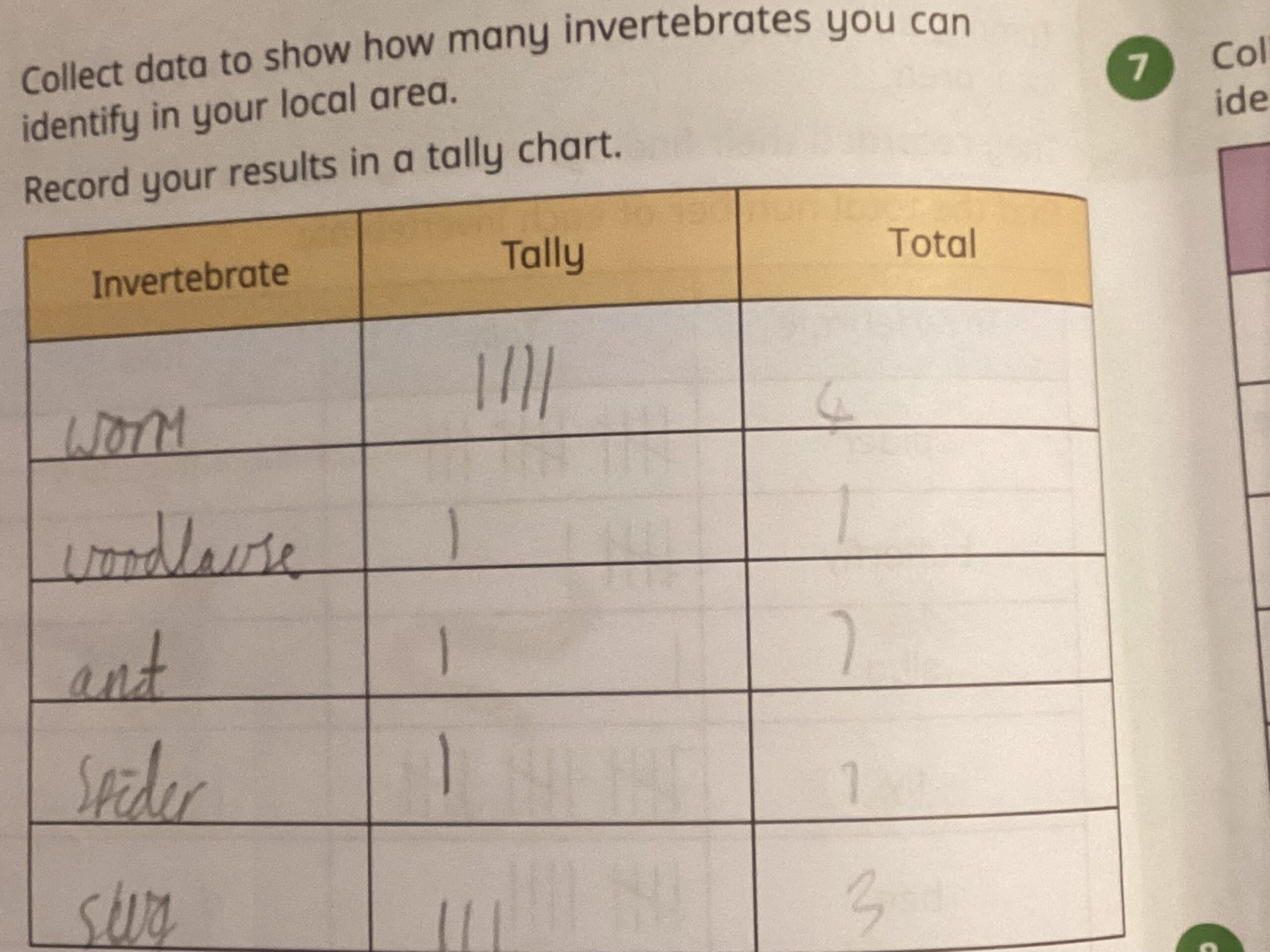
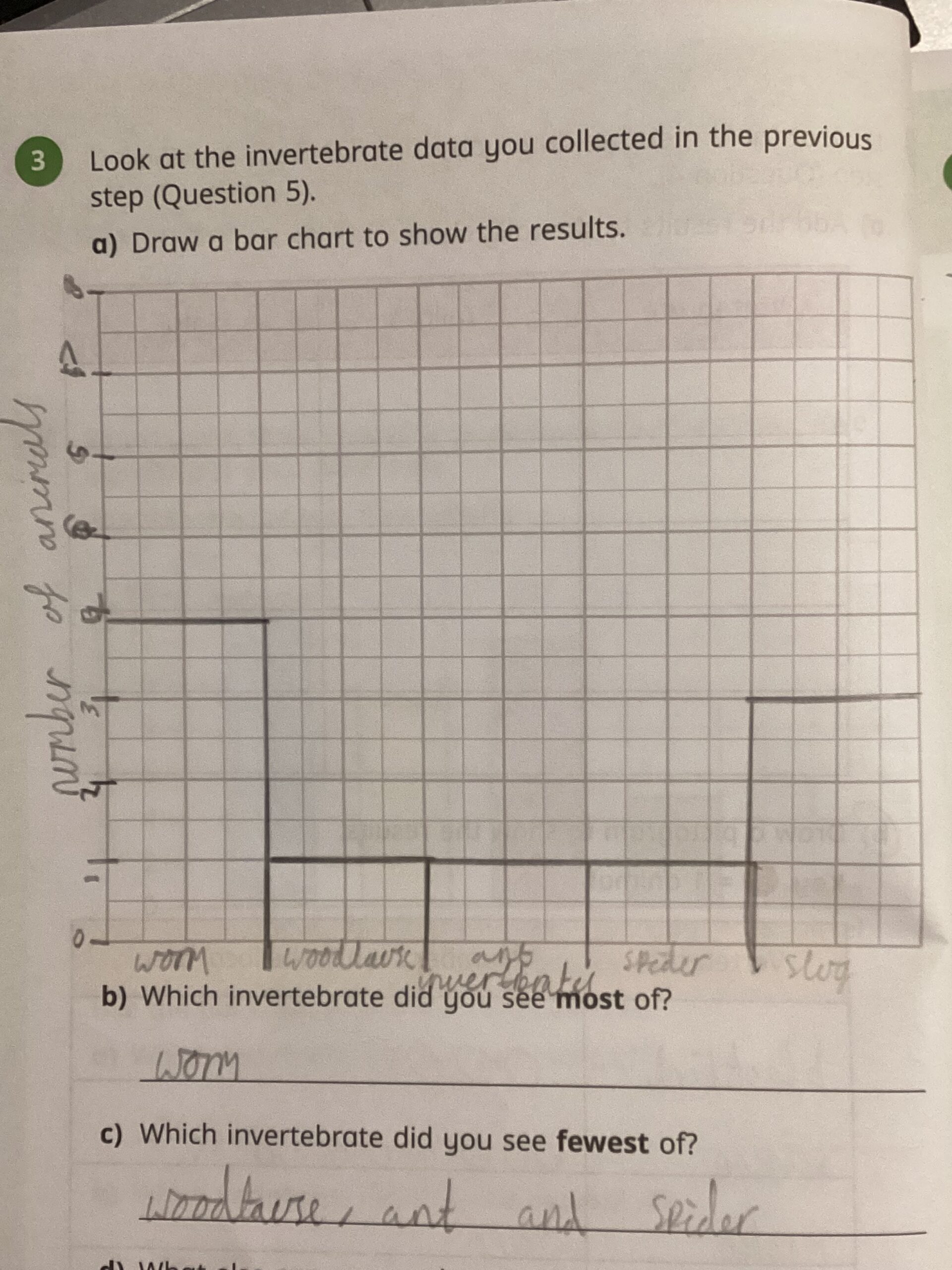
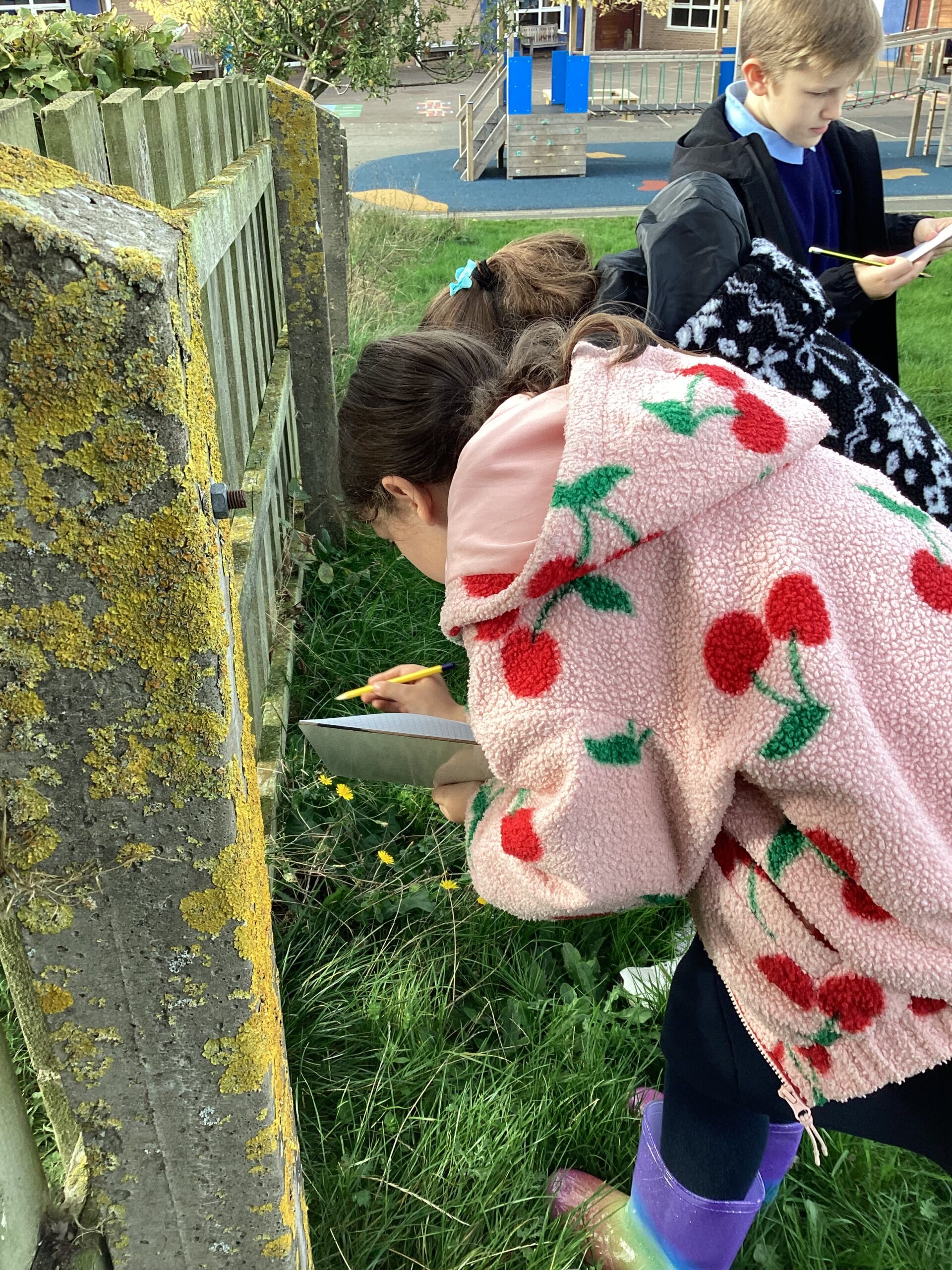
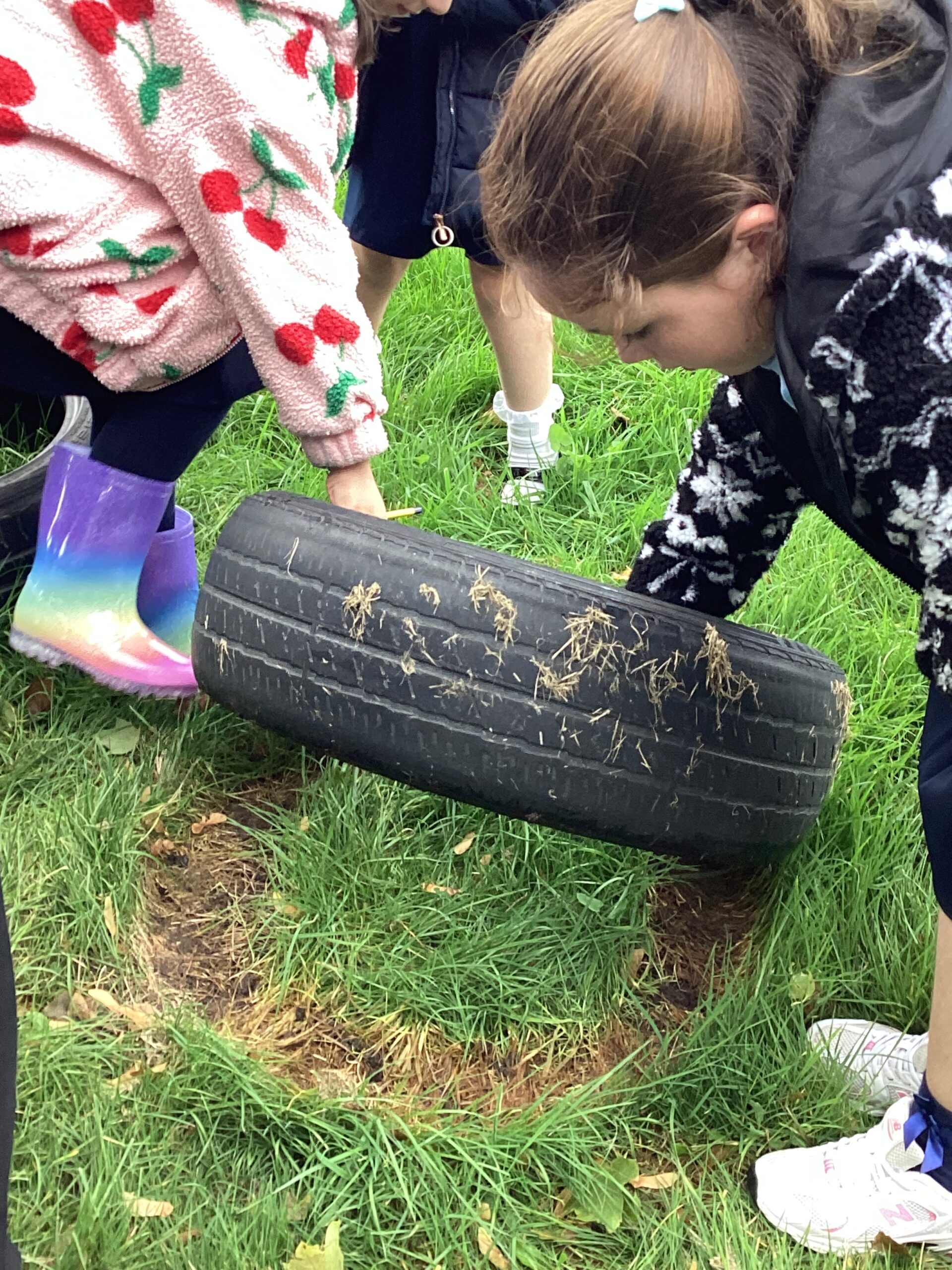
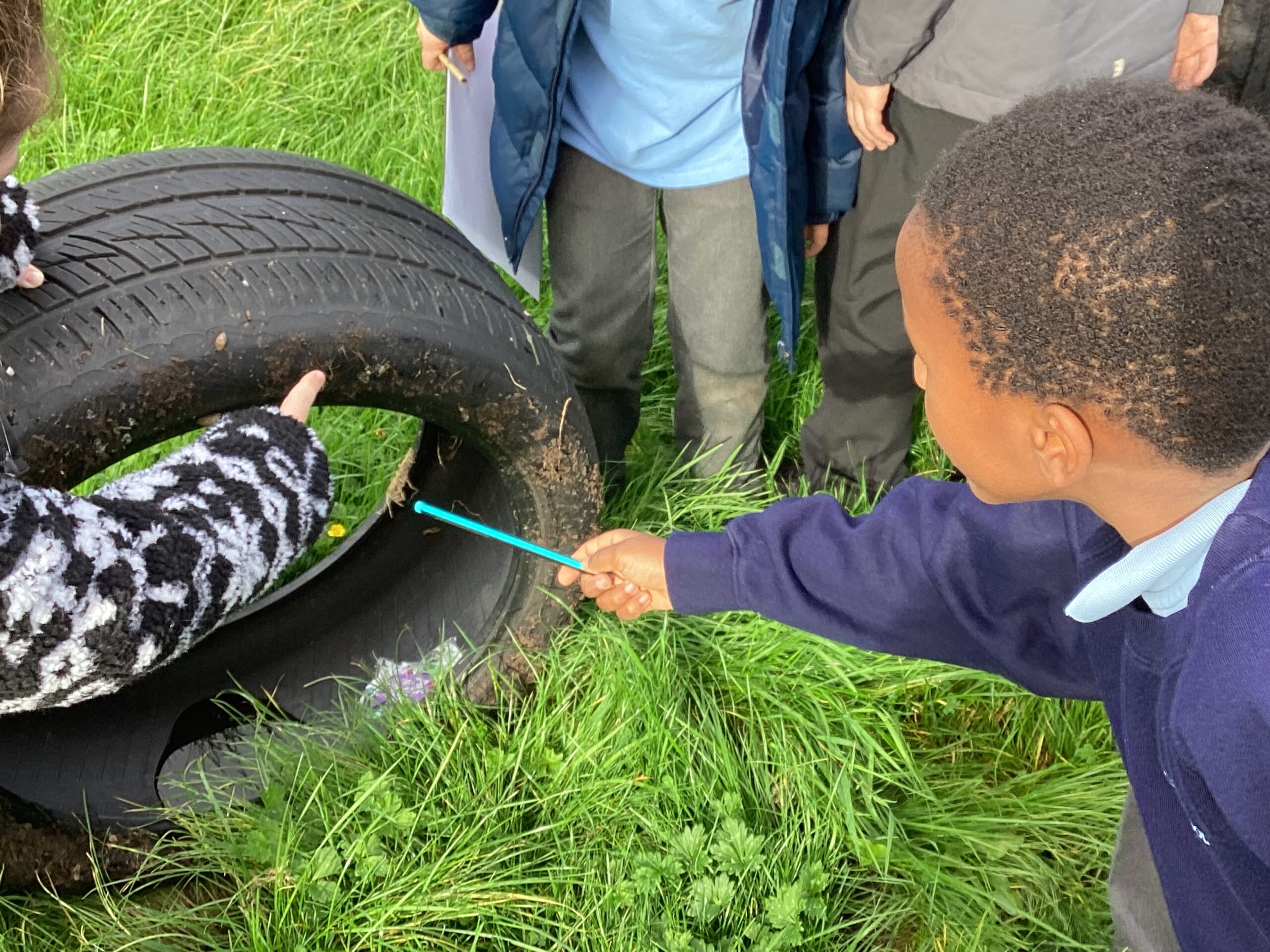
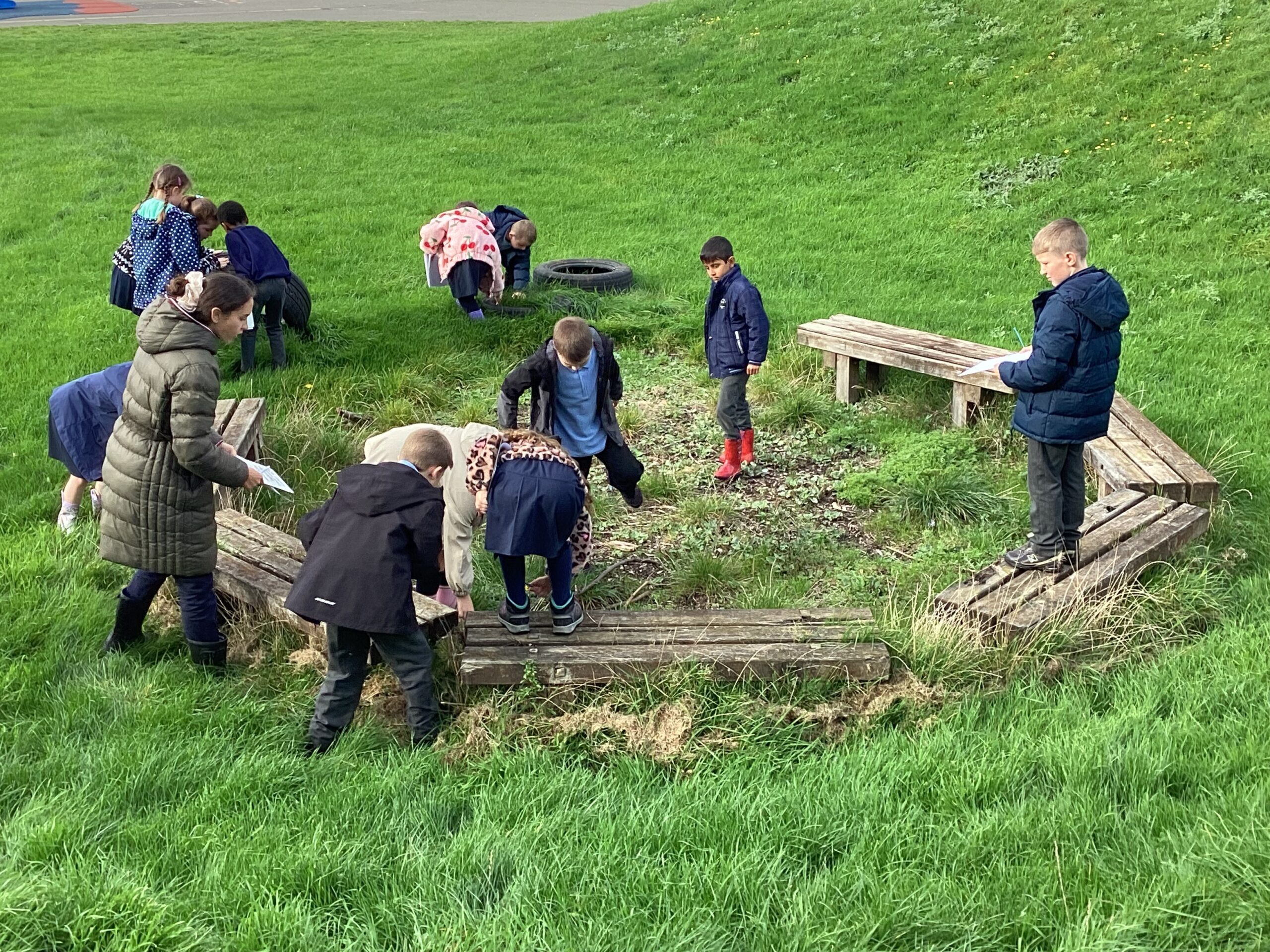
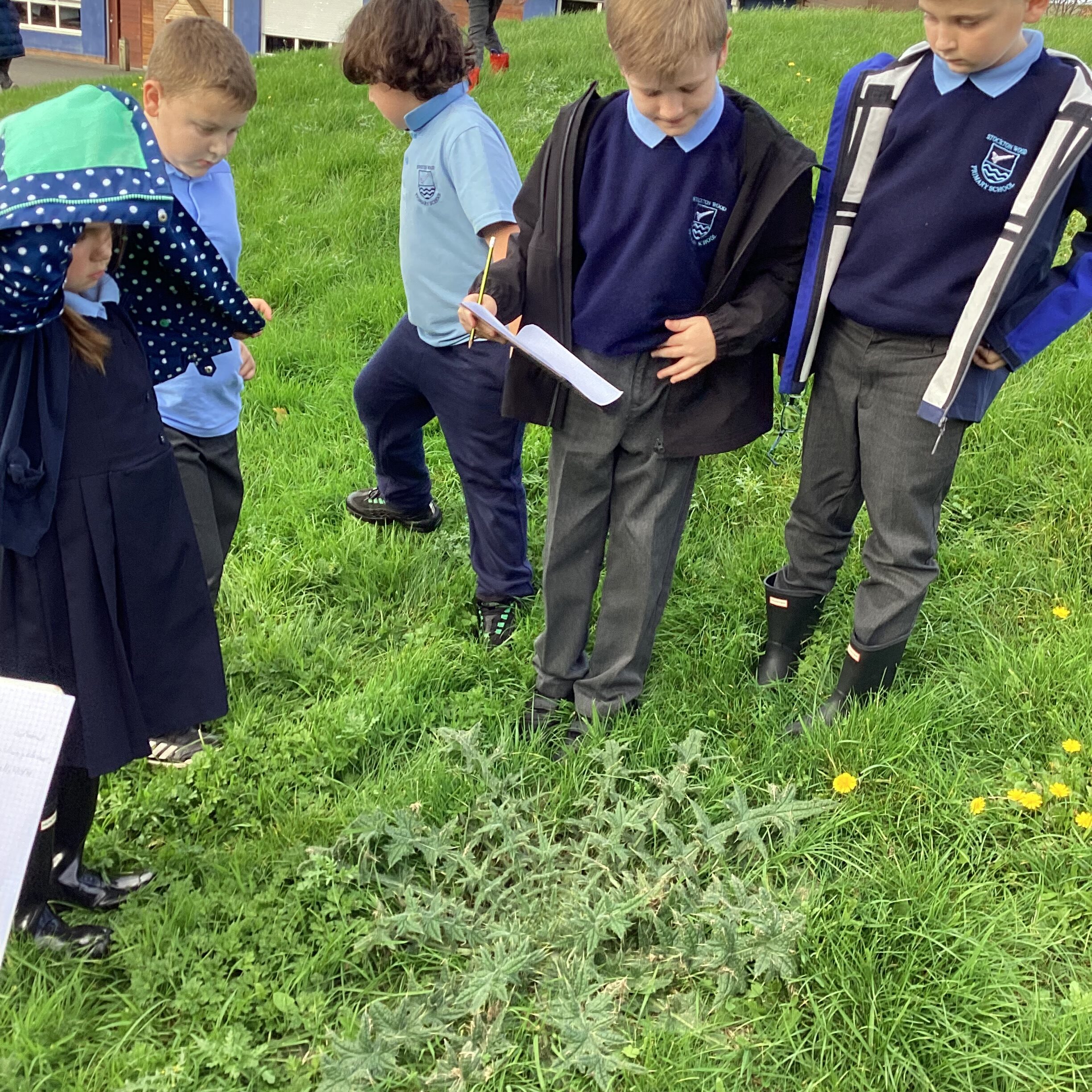
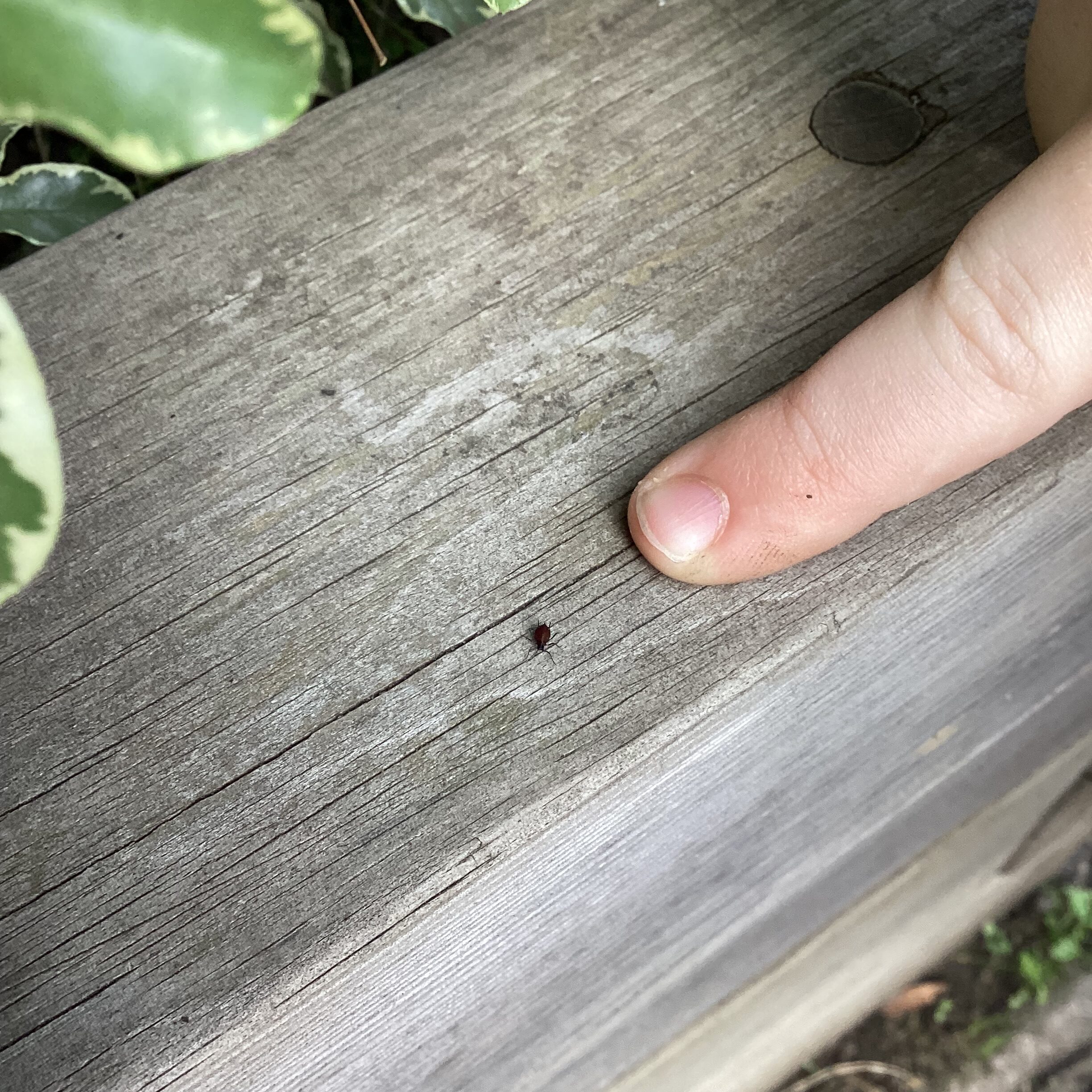
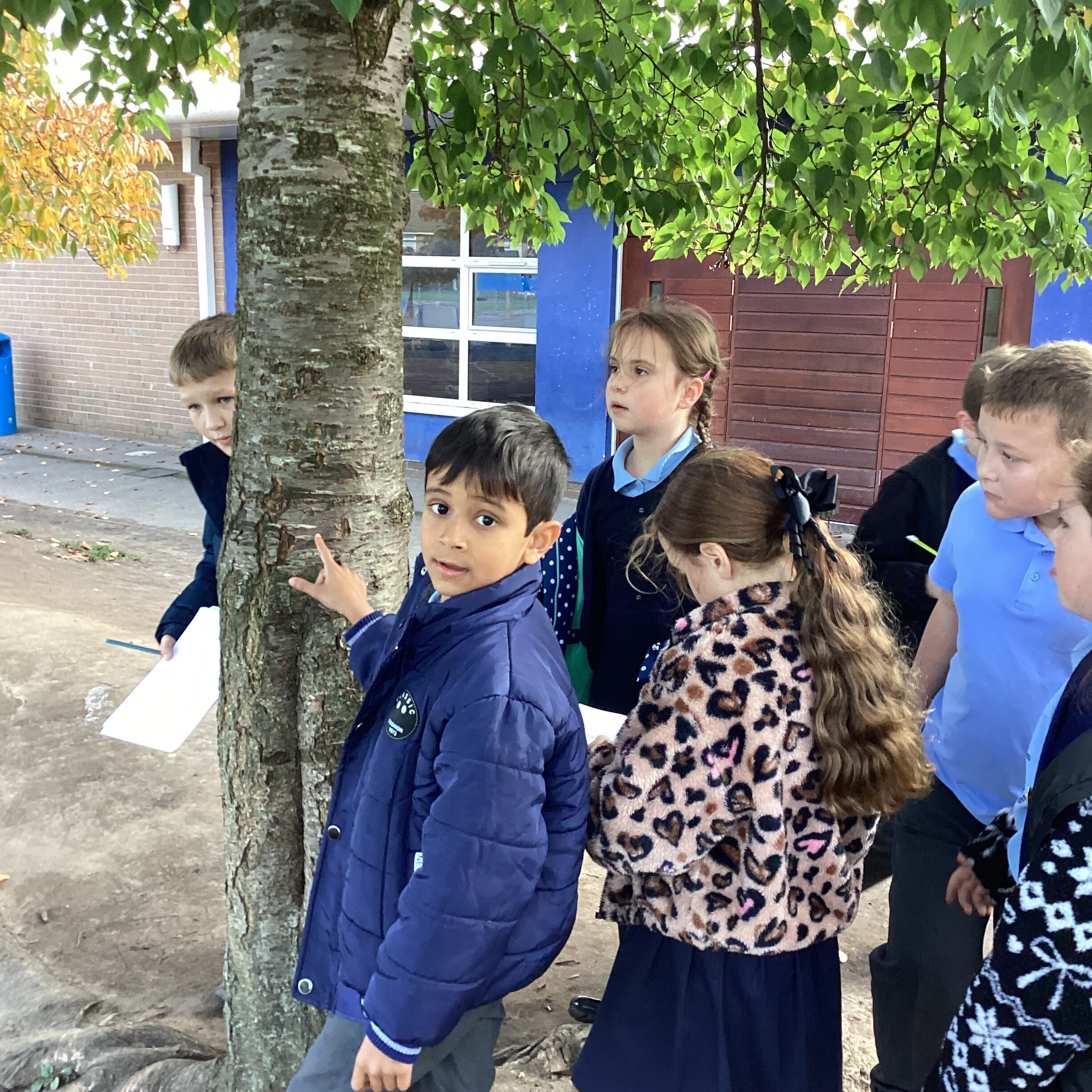
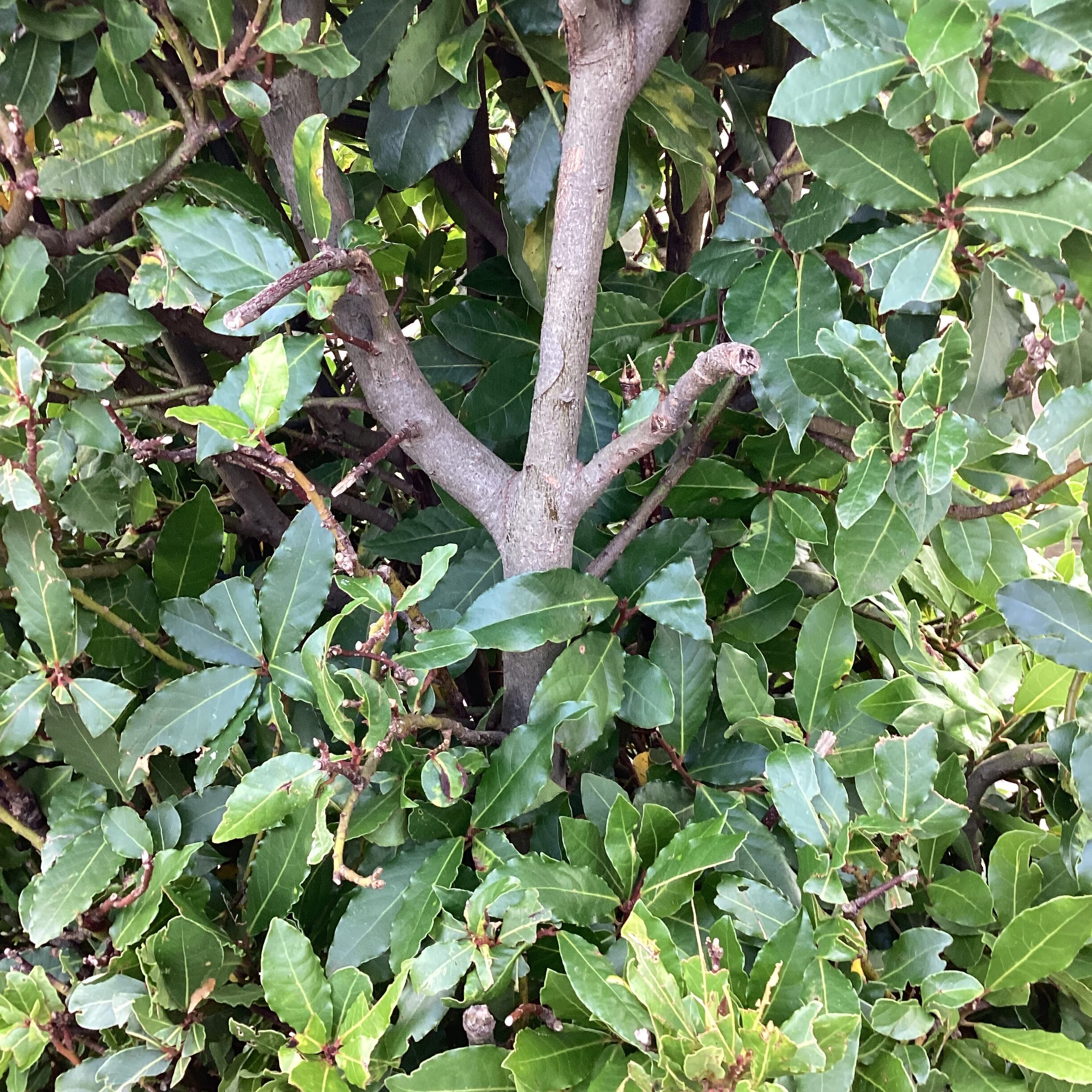
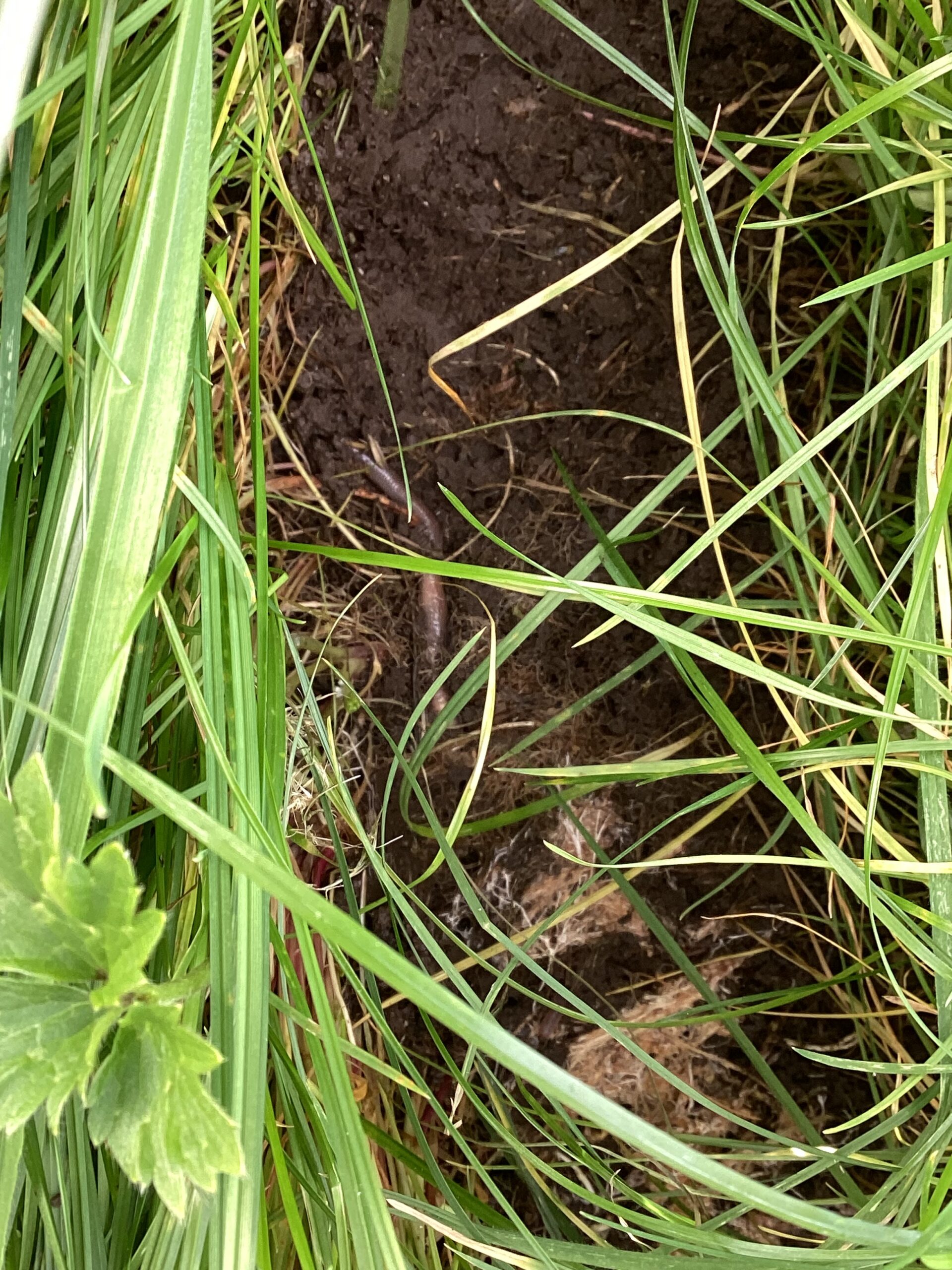
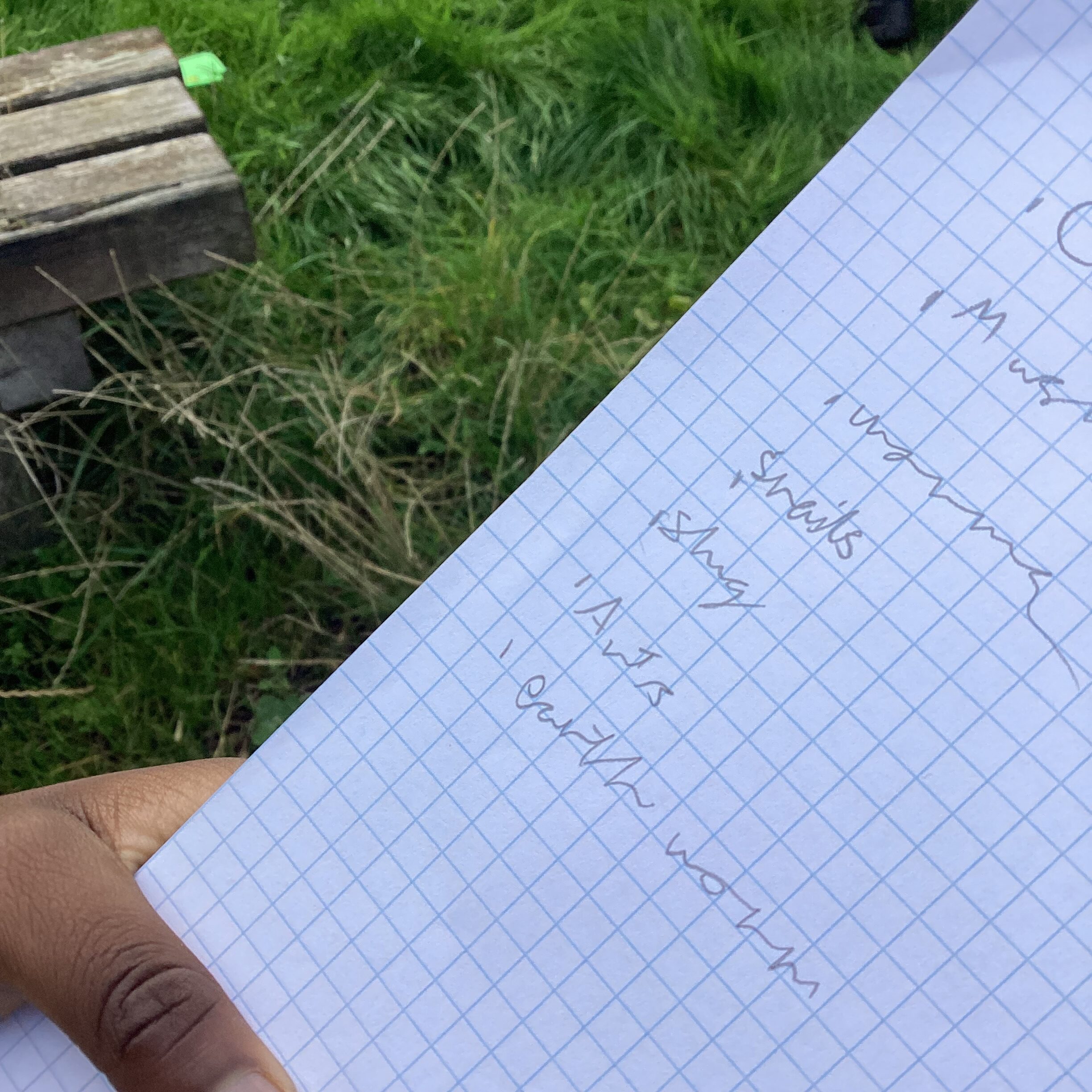
Year 4 used their data handling skills to organise and explore their Welly Walk findings, classifying vertebrates, invertebrates, flowering and non-flowering plants and making cross-curricular connections with Maths.
Science – Data Handling
Year 4 became scientists as we explored our school grounds on a welly walk! We looked for examples of vertebrates, invertebrates, flowering plants and non-flowering plants, recording our findings using a tally chart.
We will use our collected data to create graphs and present our findings, helping us to compare the living things we discovered and develop our data-handling skills.
Will our findings be different in Spring? Why?
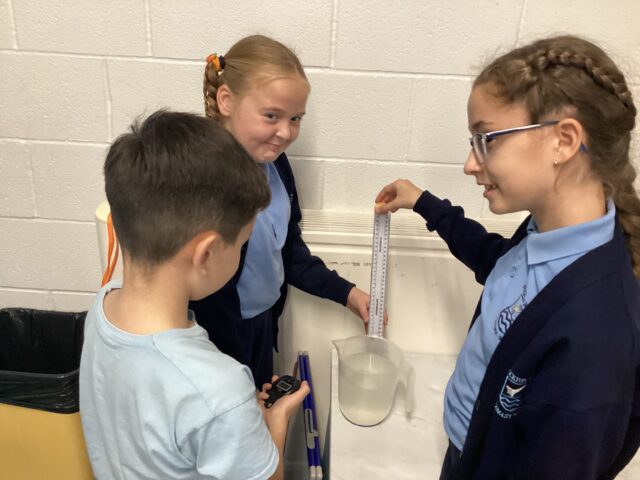
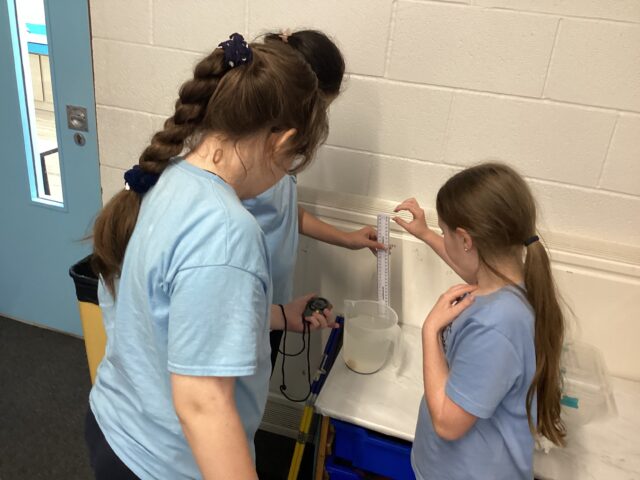
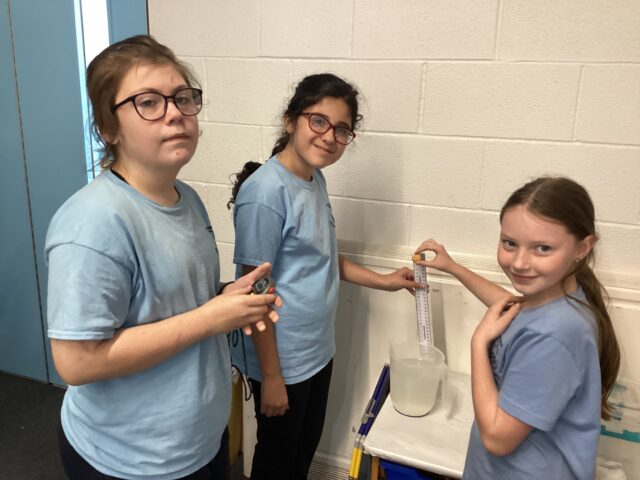
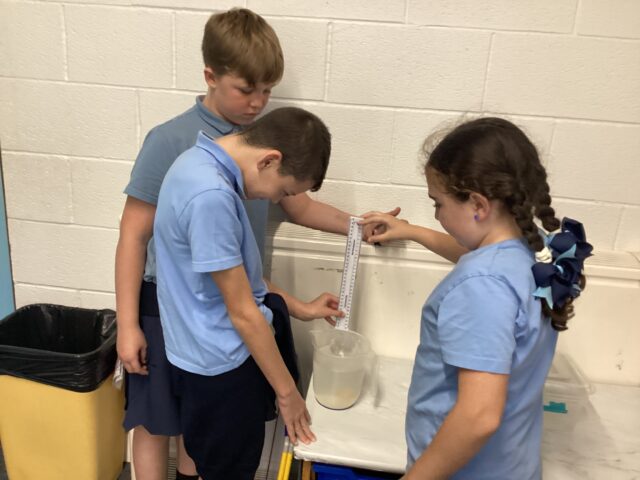
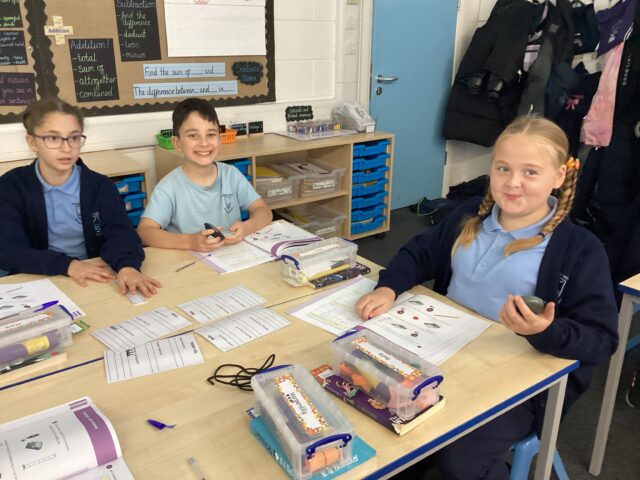
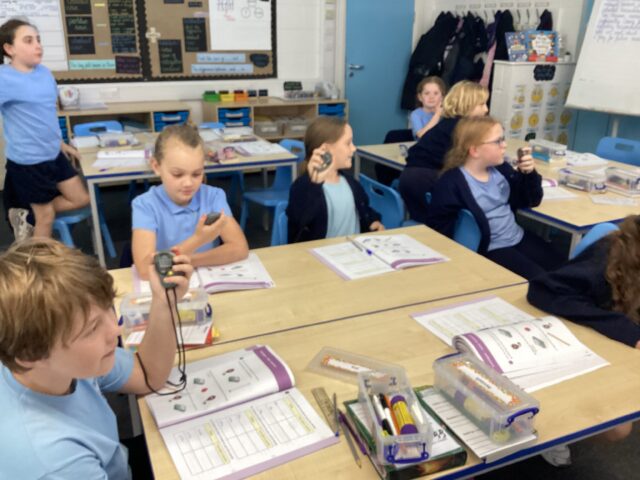
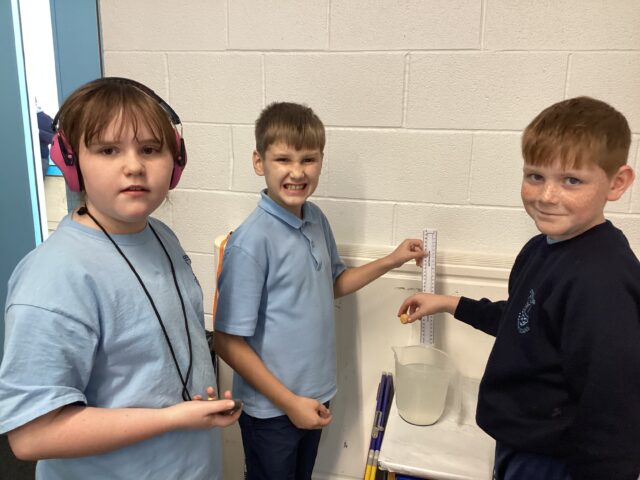
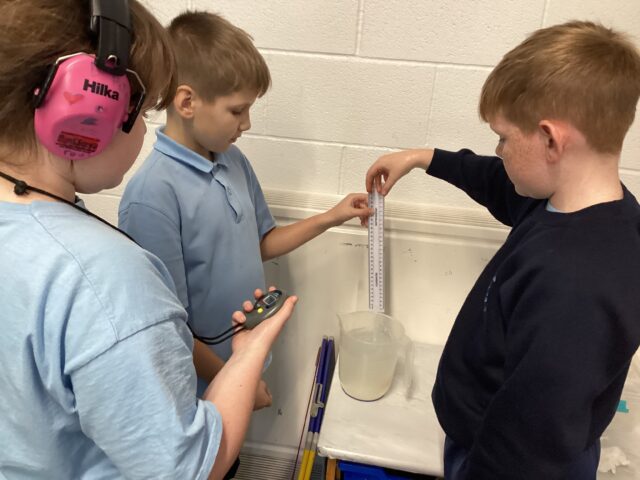
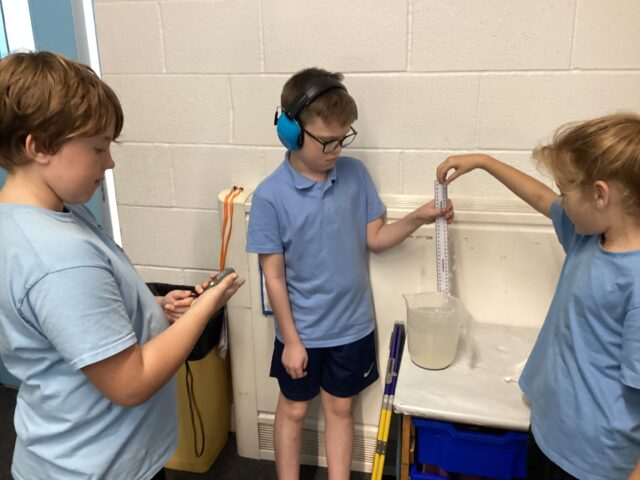
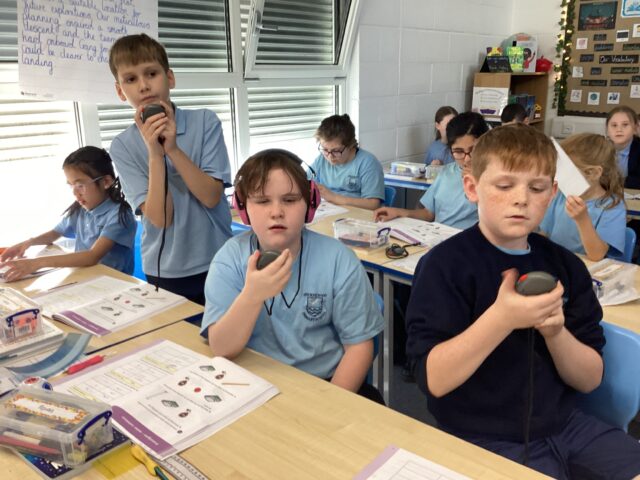
5D – Science experiment 🧪💧
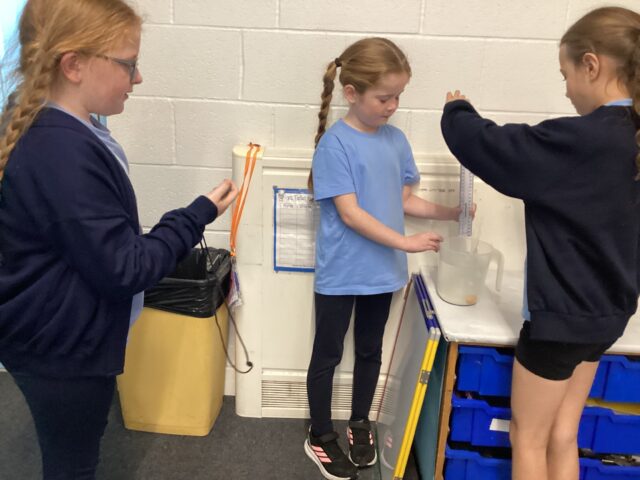
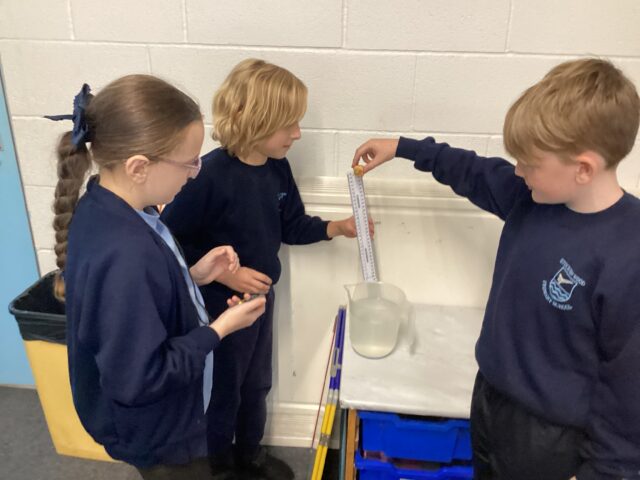
Year 5 carried out a science experiment yesterday to investigate water resistance. The children were all engaged and worked incredibly hard throughout the activity. Their concentration and accuracy when using a stopwatch helped them to collect reliable results.
Well done, Year 5!
Autumn walk 🍂
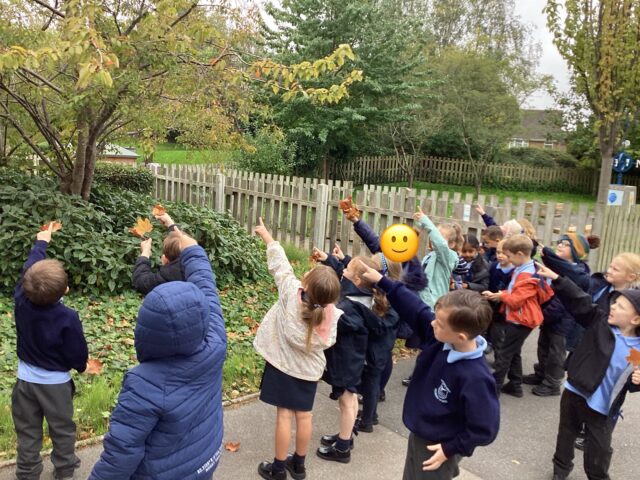
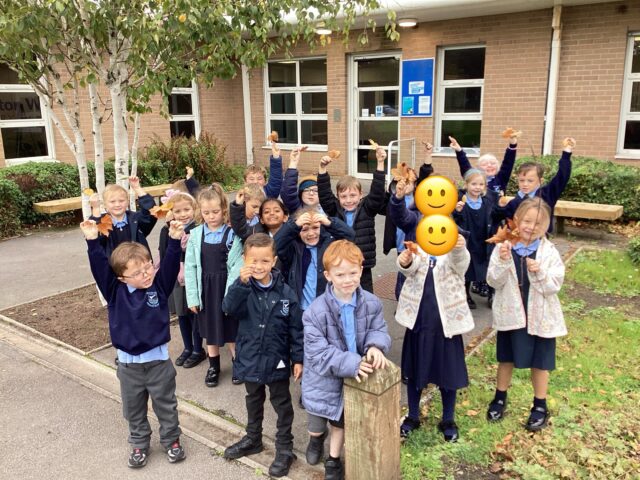
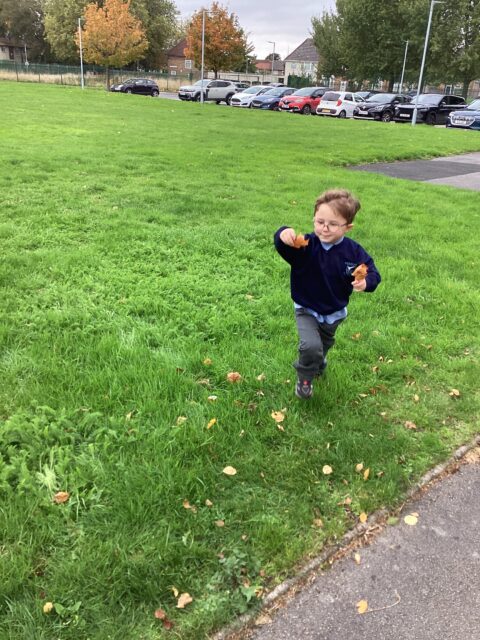
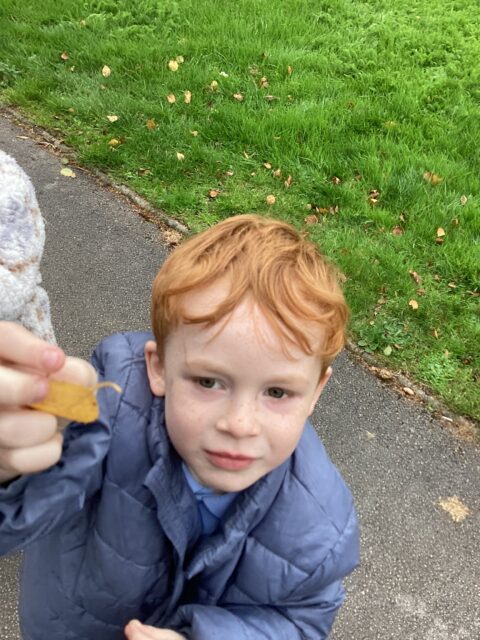
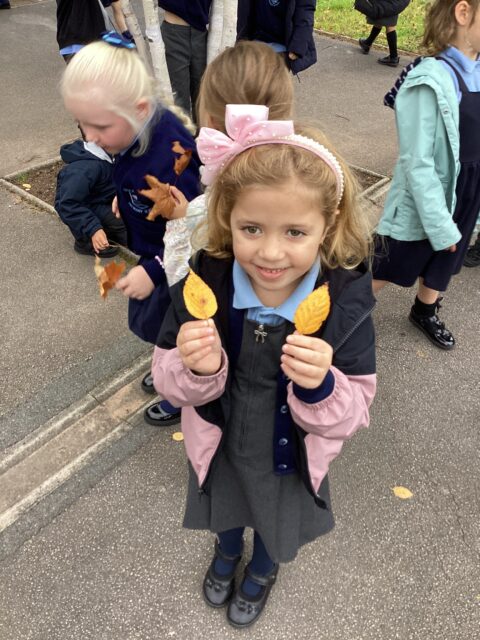
As part of our science learning 1B went on an autumn walk to see what we could spot. We collected leaves that had fell off trees, noticed the change in leaves and also recognised it is starting to get a little bit chilly outside.
Science-Taste testing
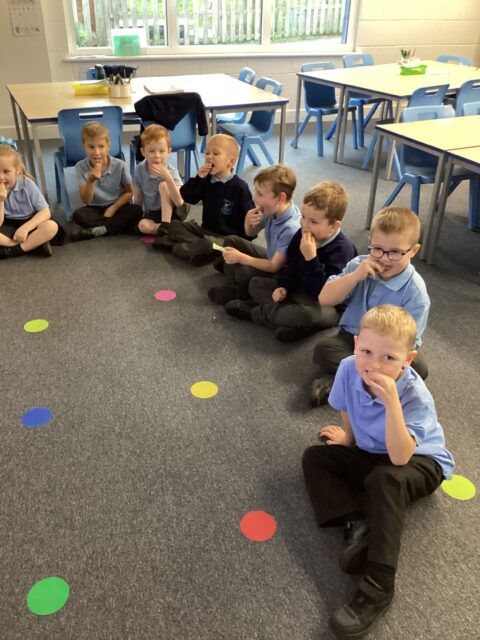
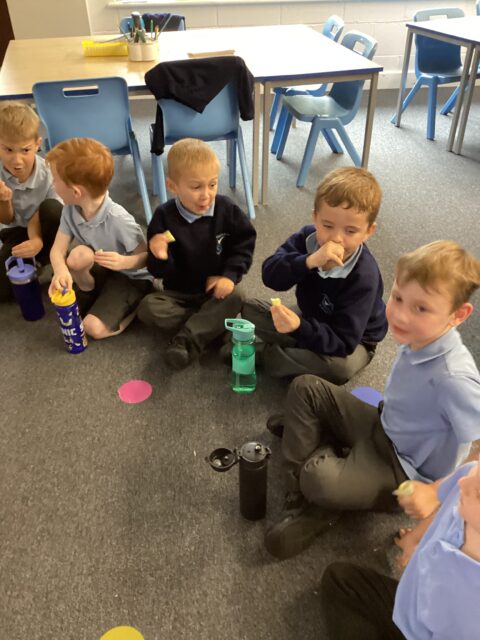
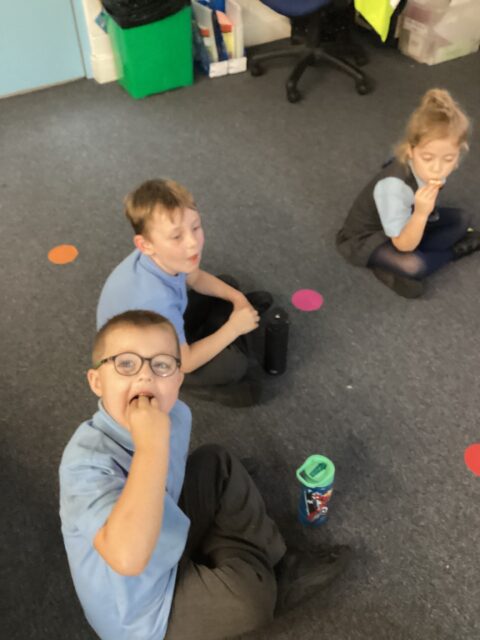
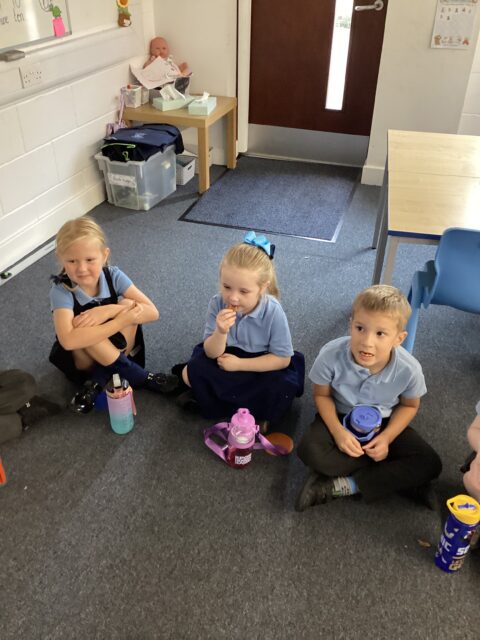
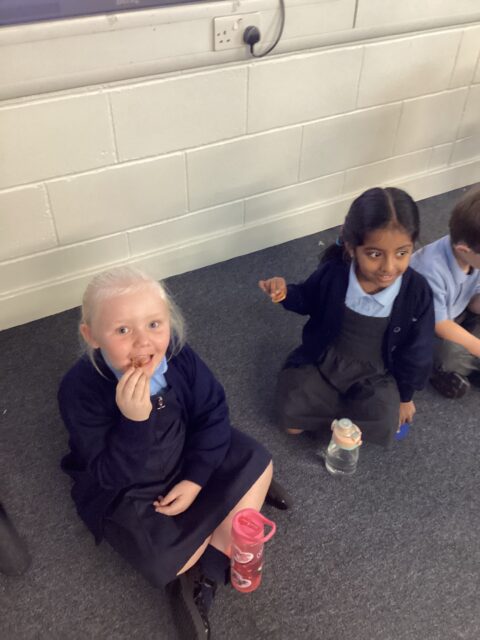
Year 1 became taste testers in Science! We tried foods that were bitter, sour, sweet, salty and savoury. Everyone was very brave to try new foods and we had some very funny faces when trying our foods. Some children even discovered some new favourites! 🌟
Science – Autumn changes
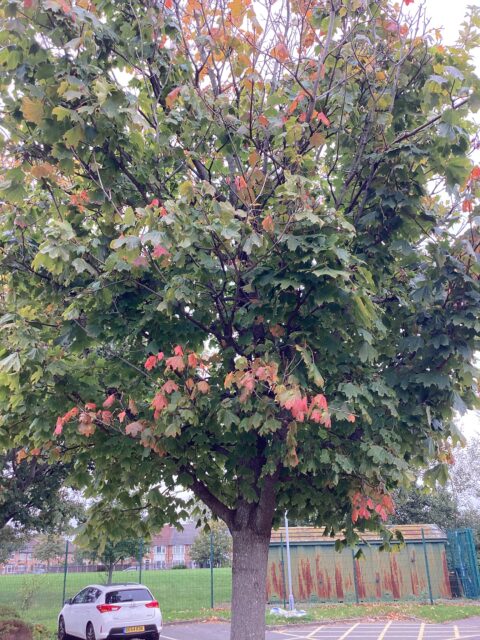
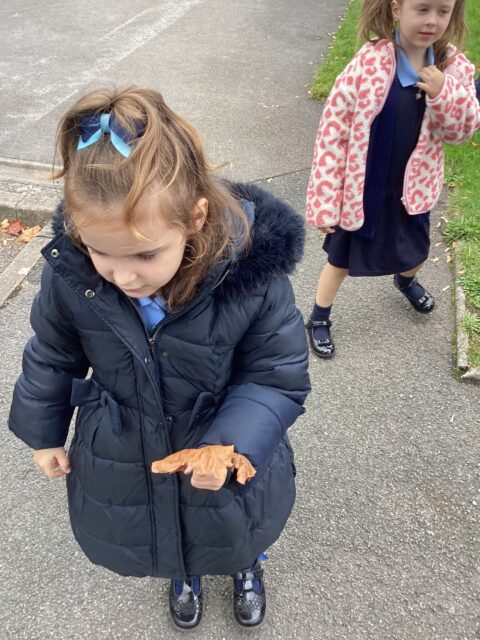
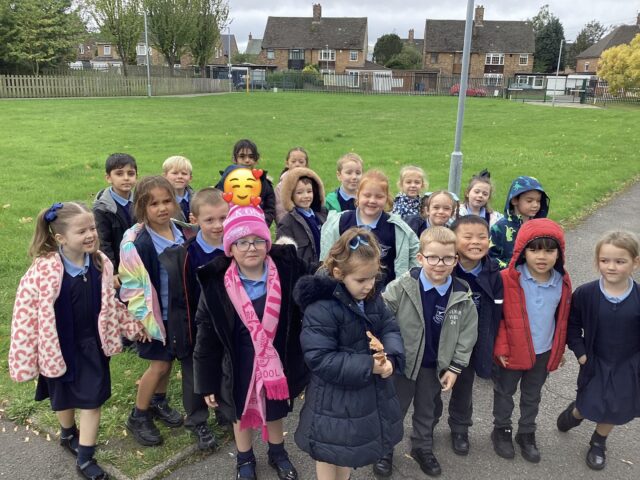
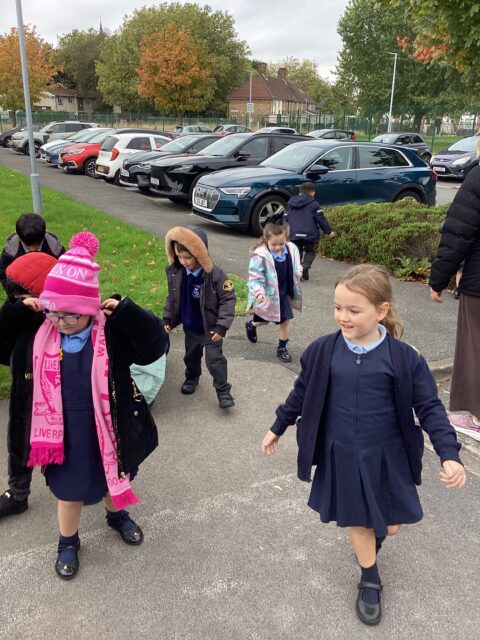
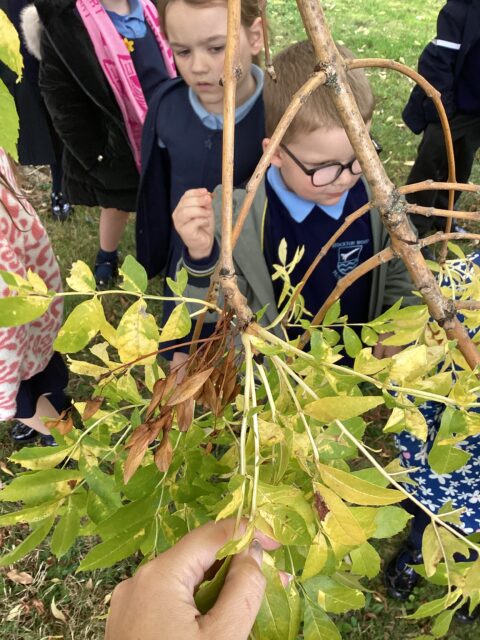
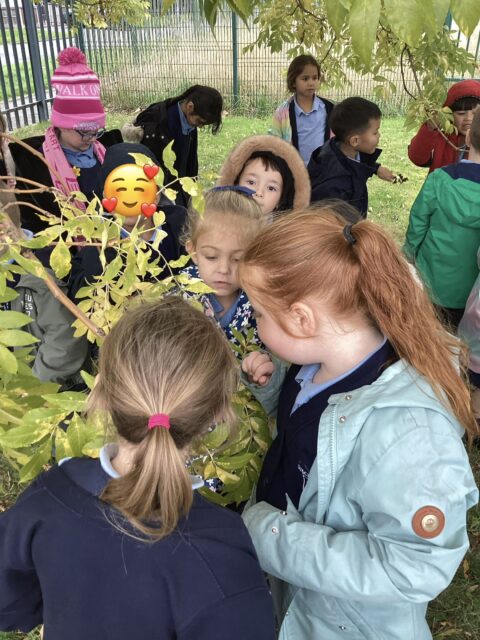
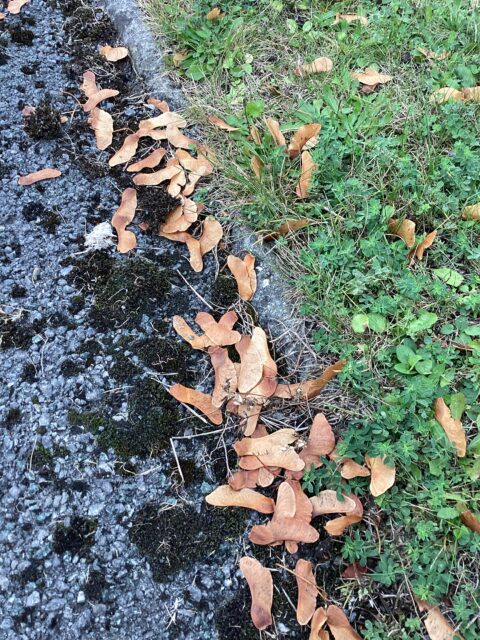
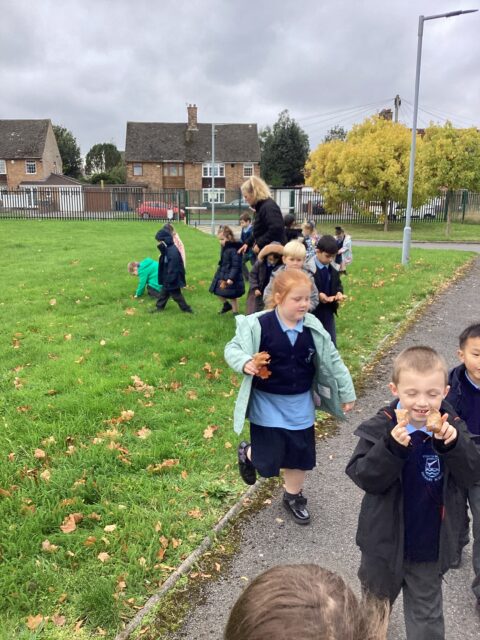
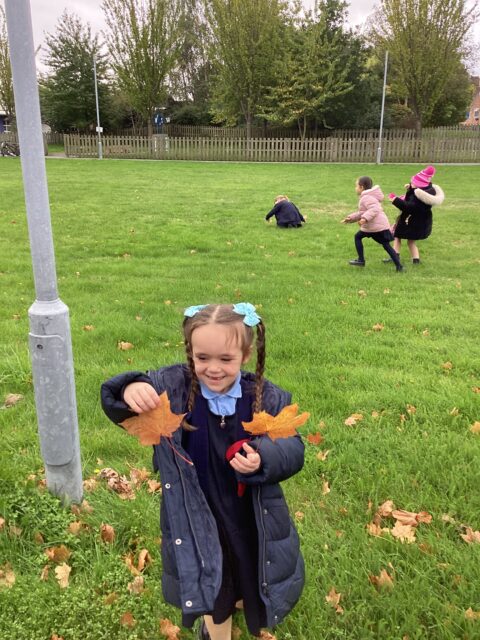
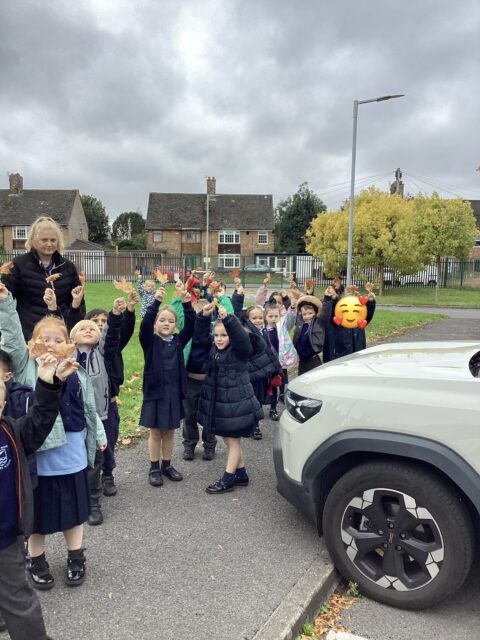
In Science, we are learning about the environmental changes that happen in Autumn. We went on an Autumn walk, making a note of the weather changes as well as the changes to our environment such as the changing colour of leaves etc. We then compared our findings to what we know about the other seasons. Did you know: the hours of daylight get shorter, and the hours of darkness get longer?
154
Year Four – Computing and Science
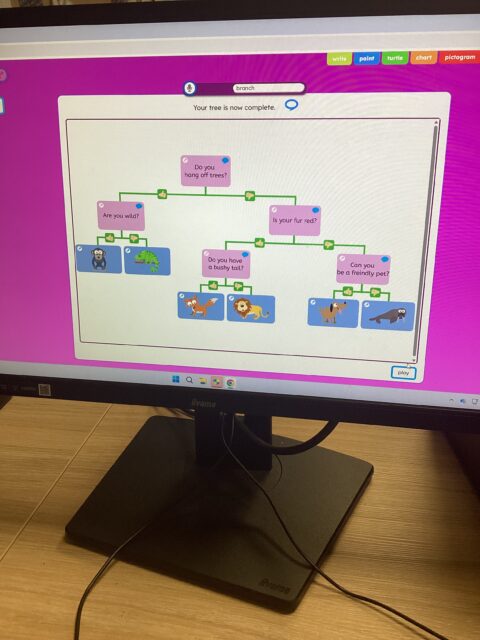
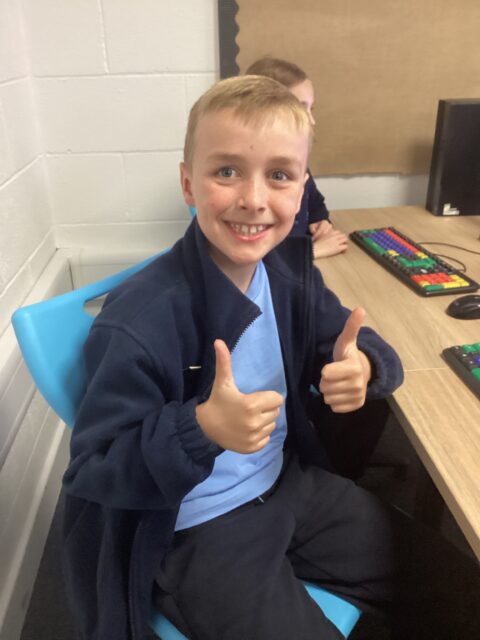
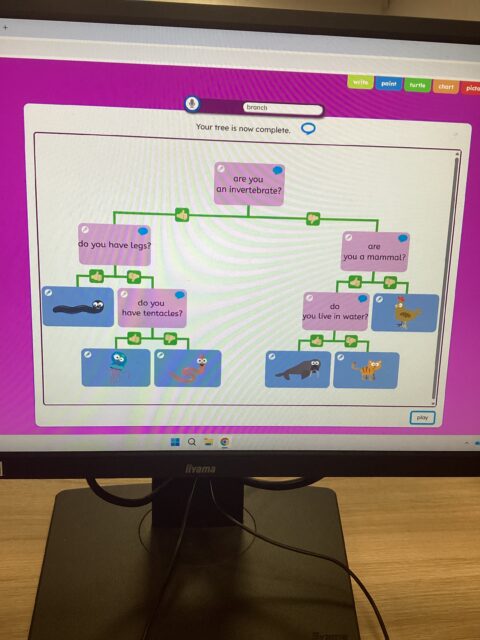
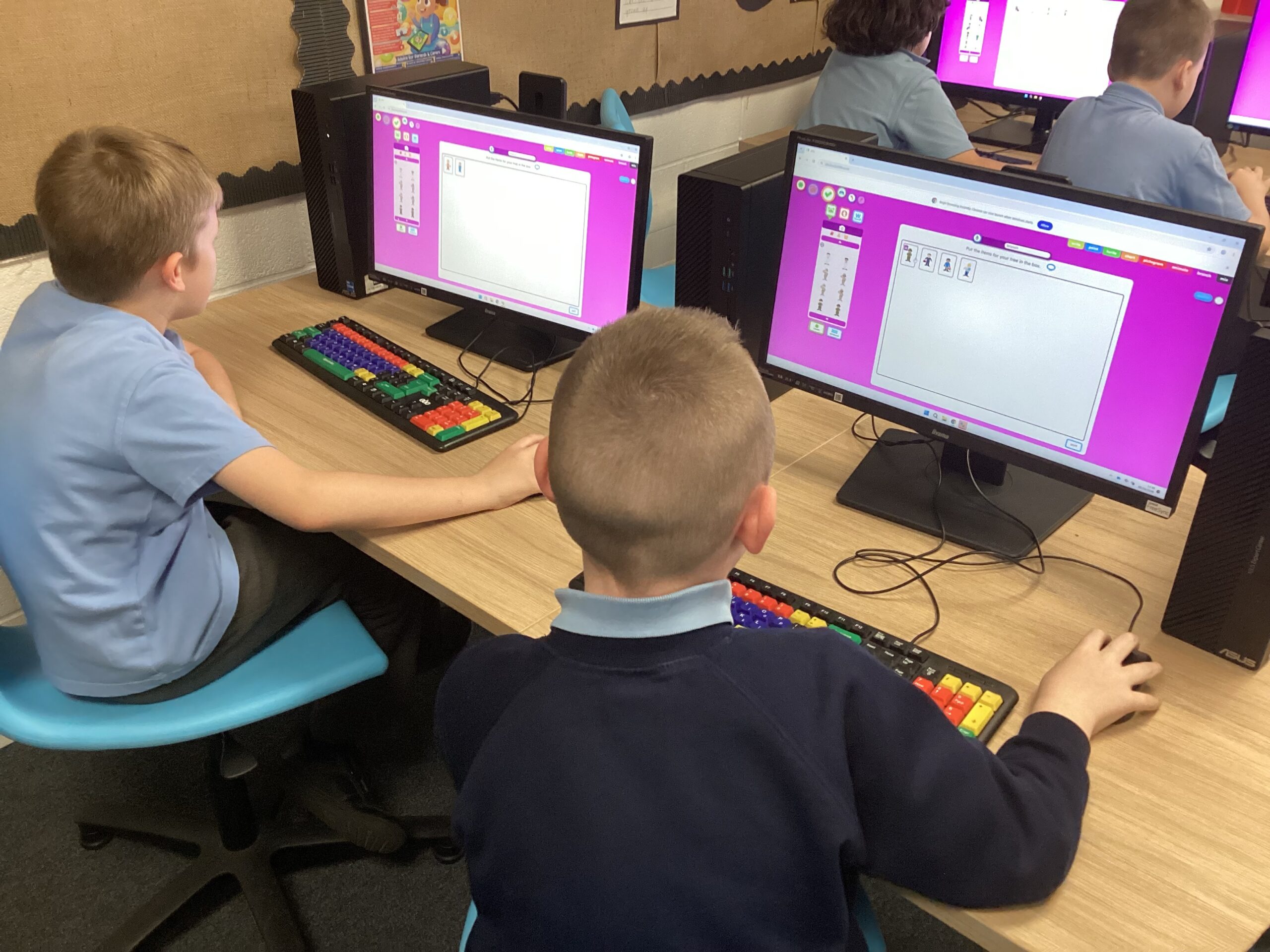
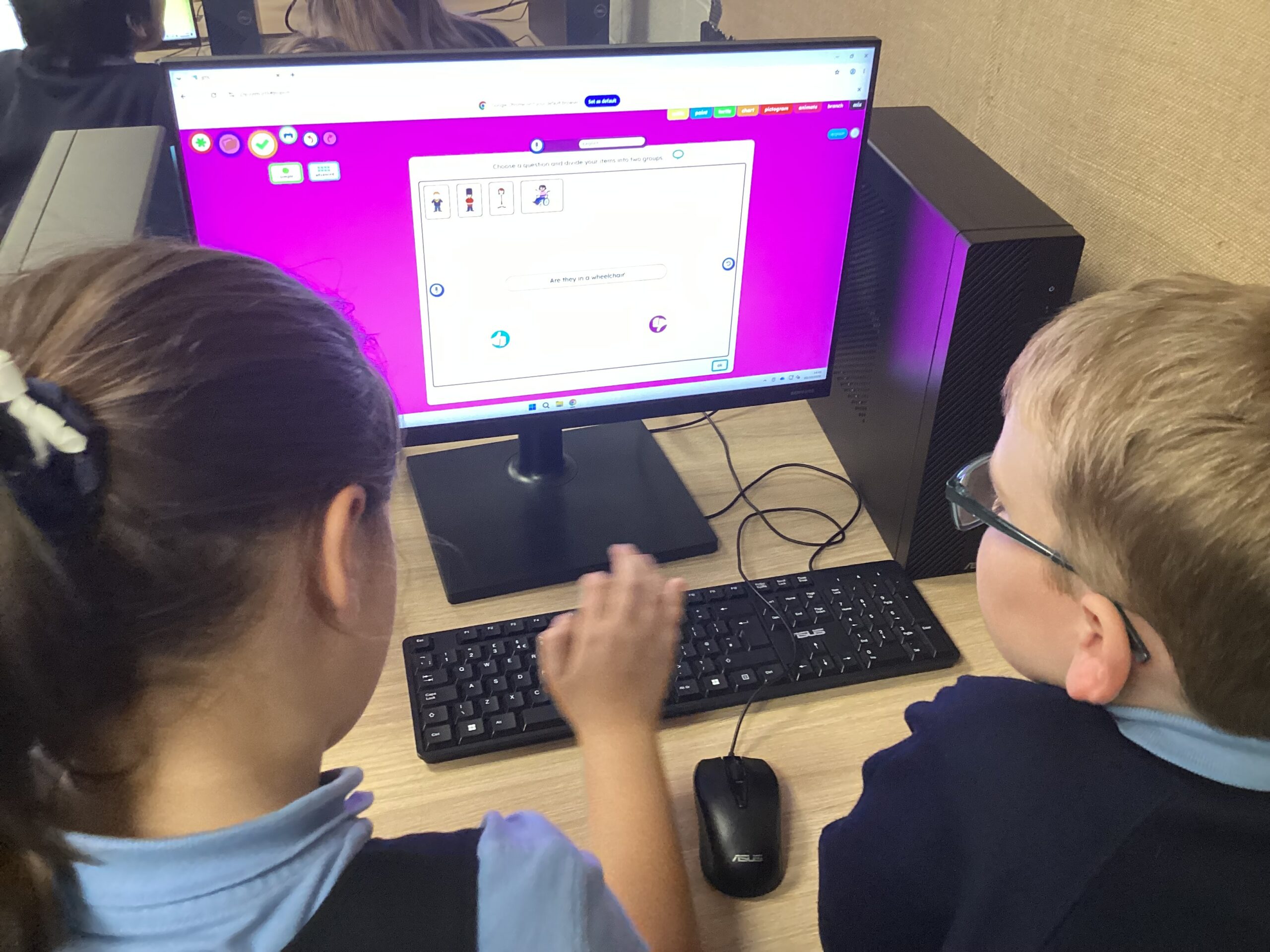
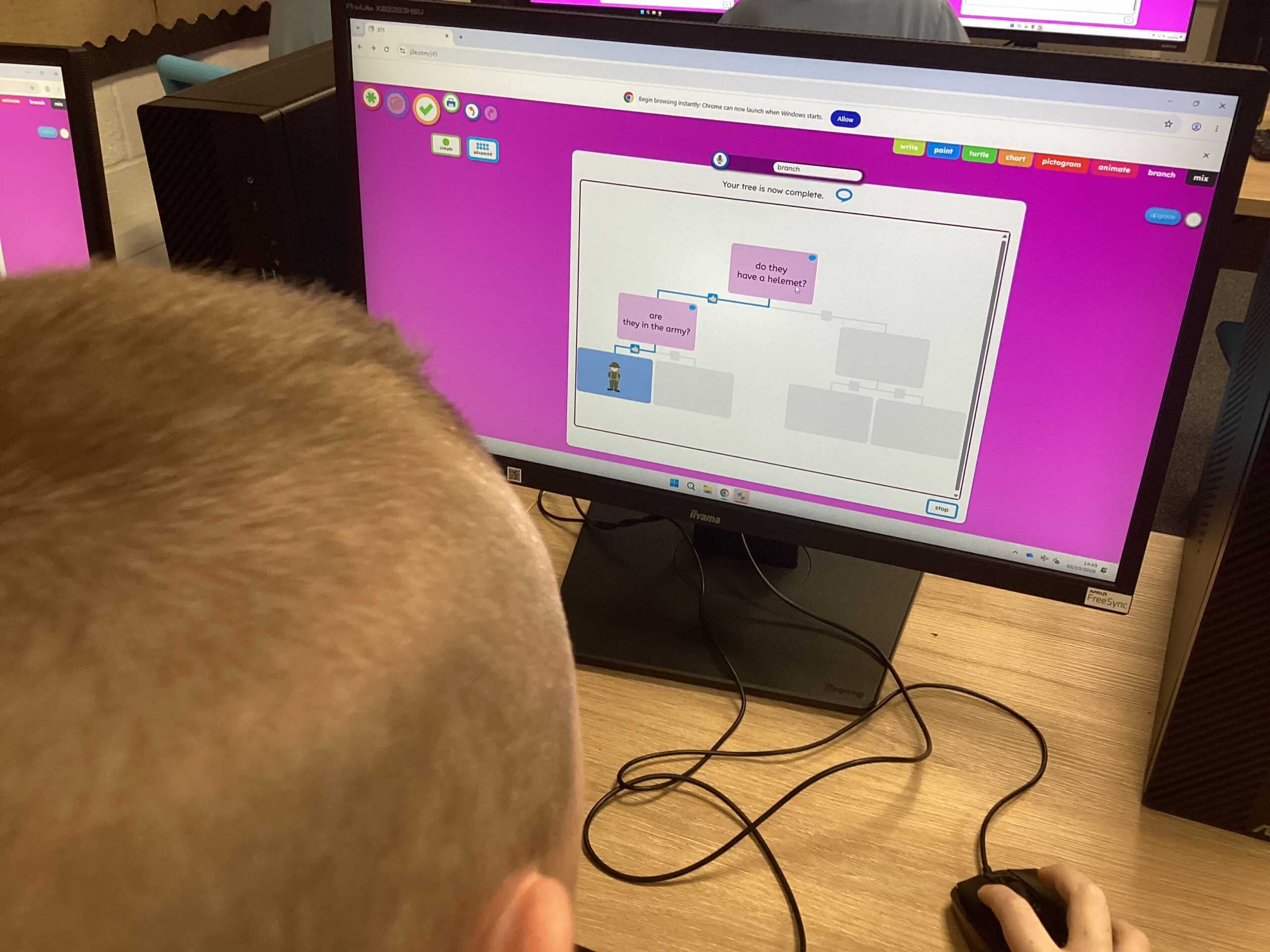
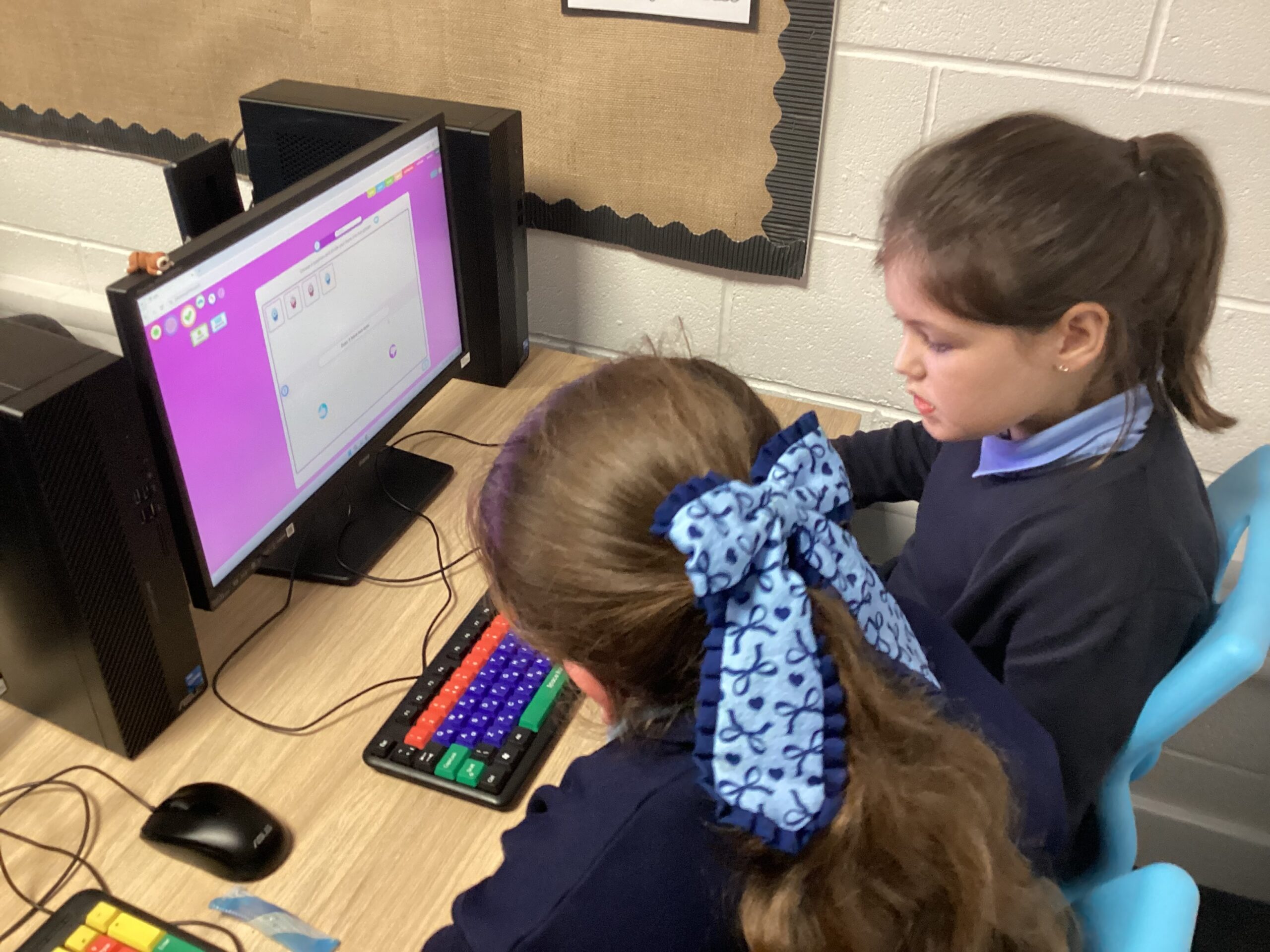
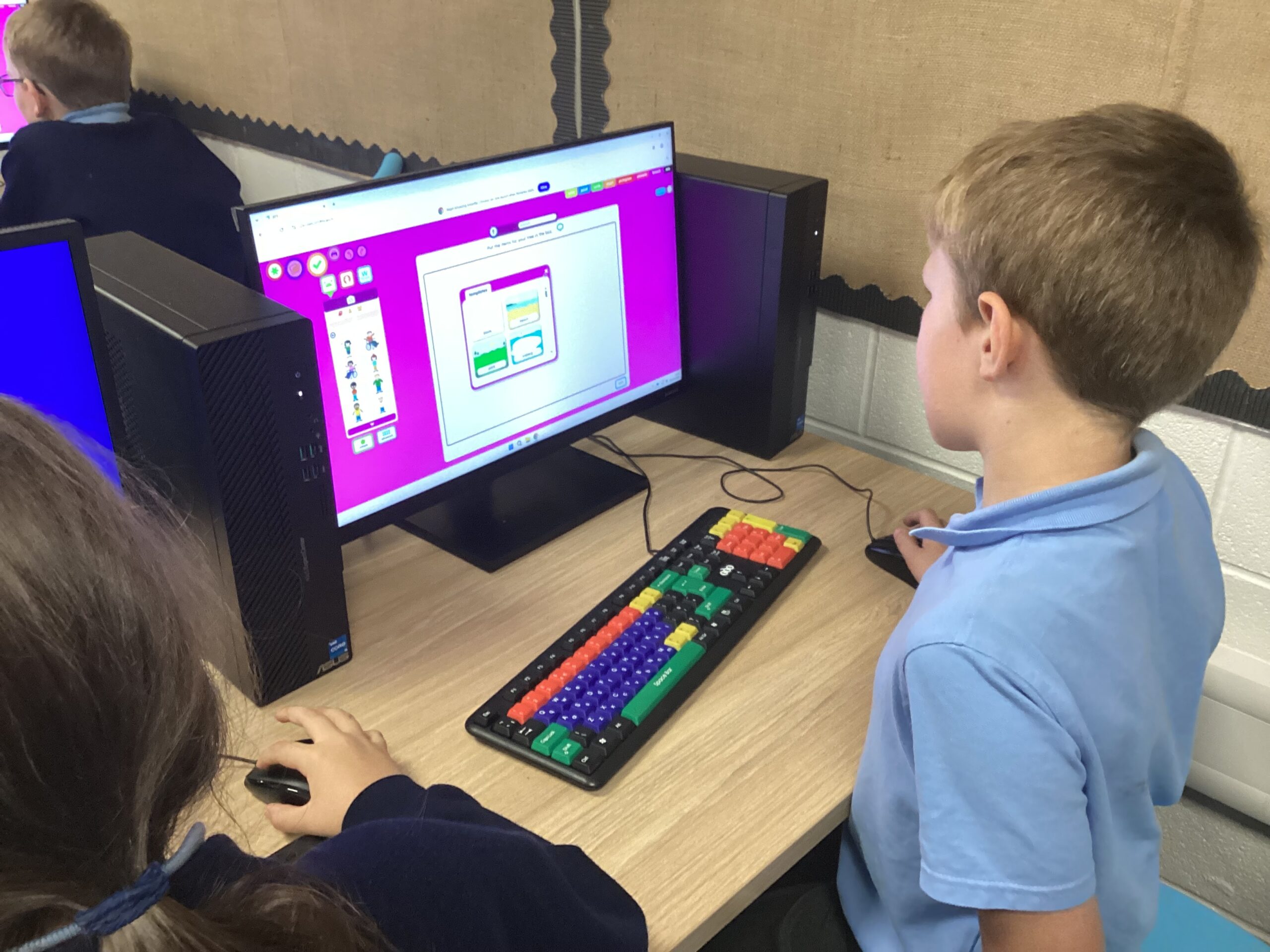
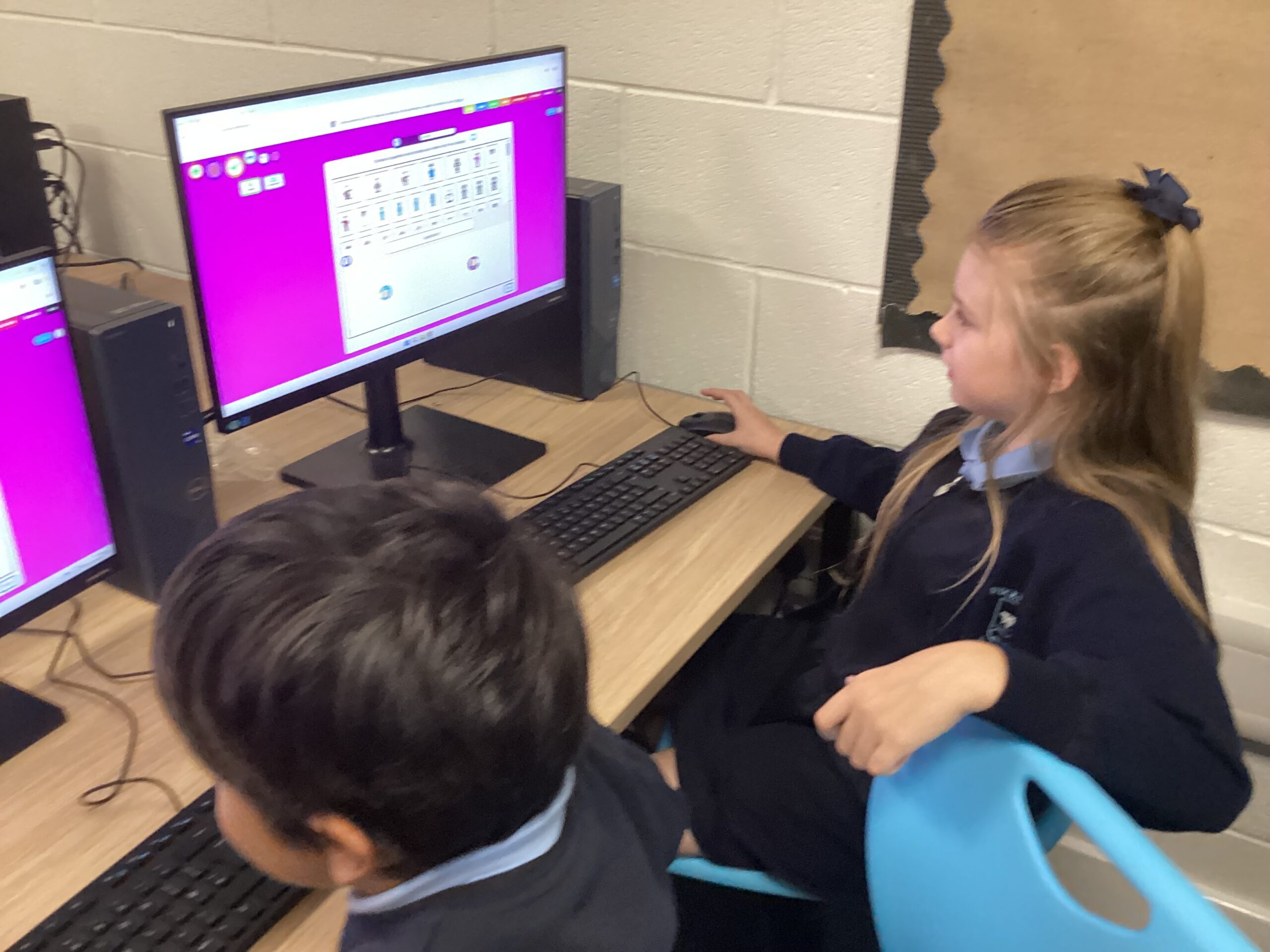
Today Year Four used their scientific knowledge and computing skills to create a range of digital branching database’s.
Year 4 Big Friday Quiz
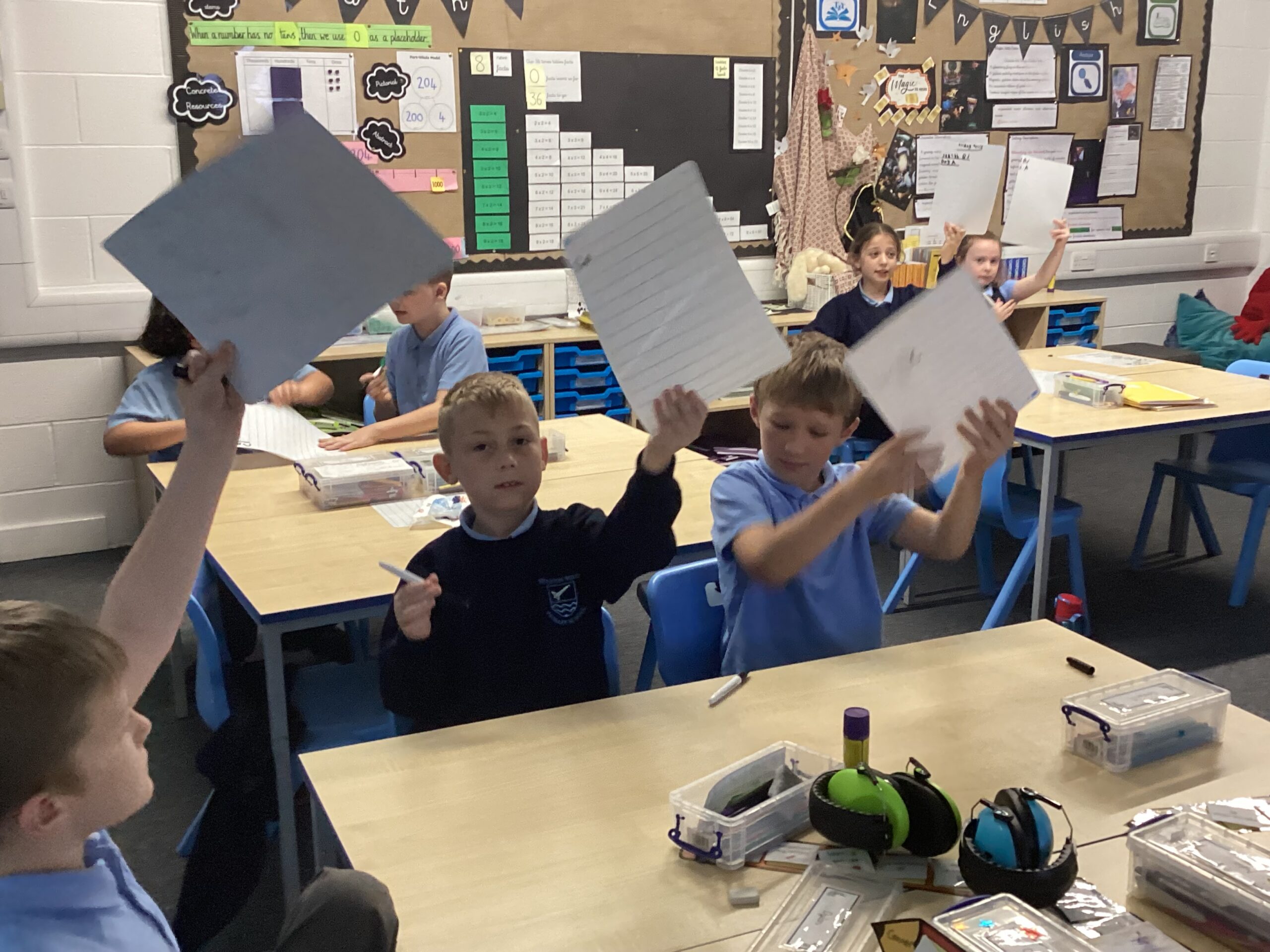
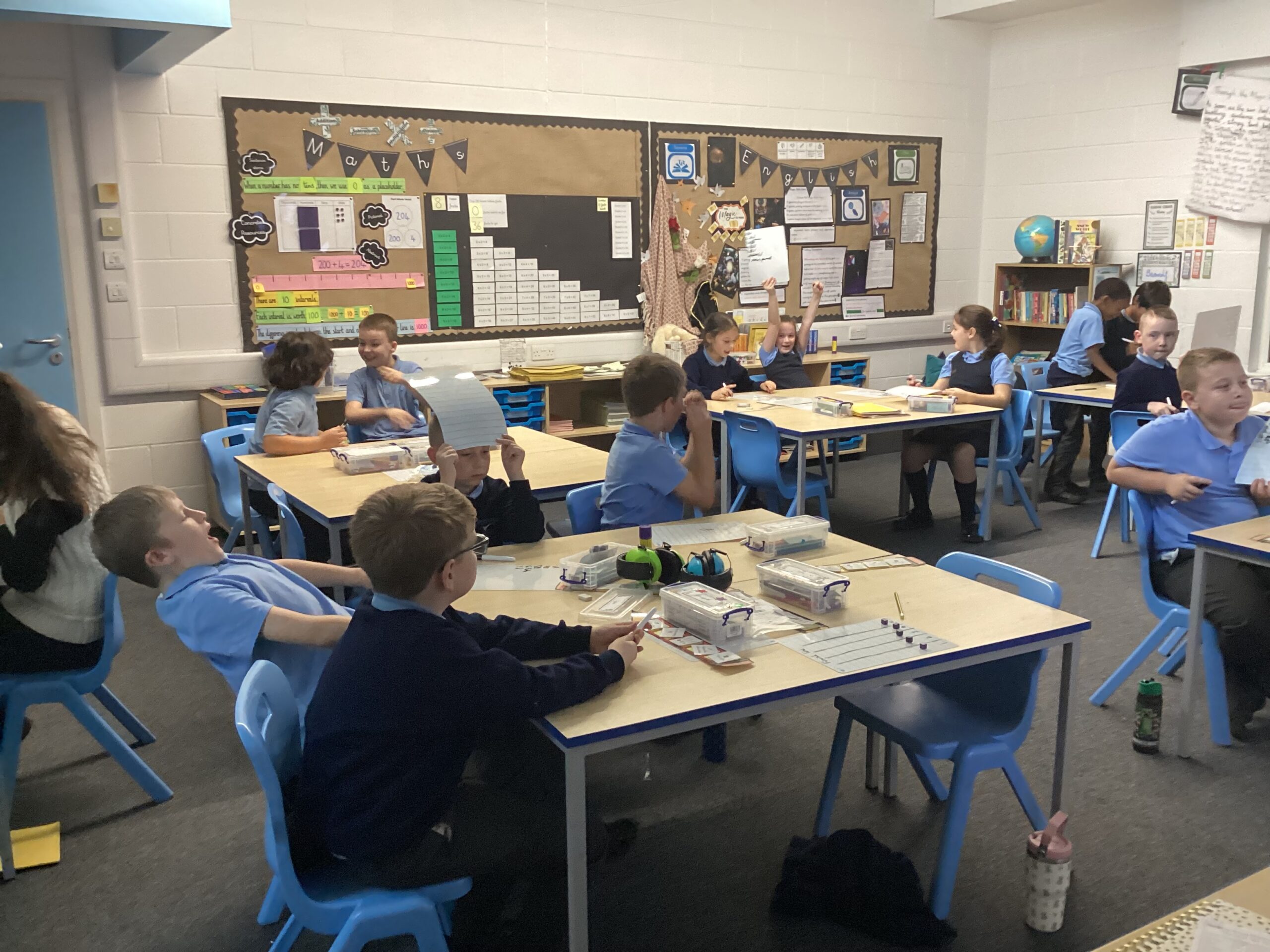
Year 4’s Big Friday Quiz is a hit!
We love earning dojos when we successfully retrieve and recall our previous learning.
Year 4 Computing
In Computing, we have been creating databases to sort and classify various data, using questions to organise information.
Science – Smell
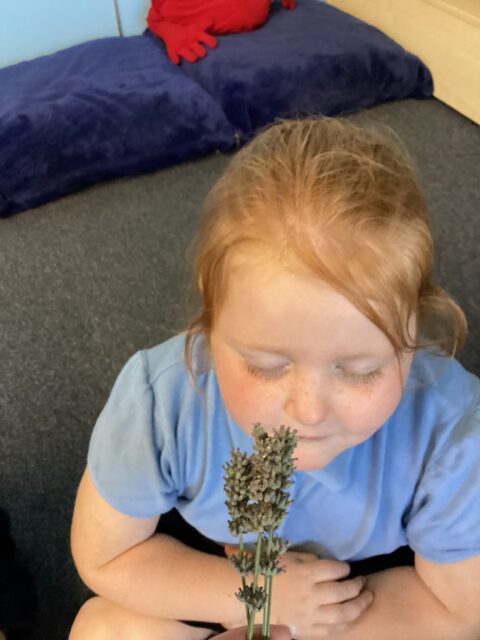
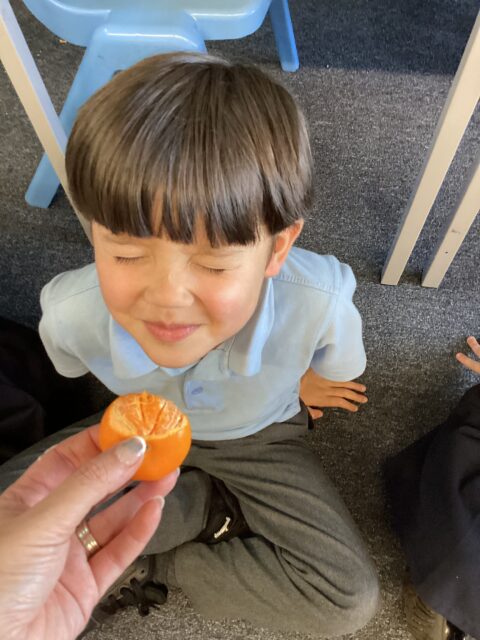
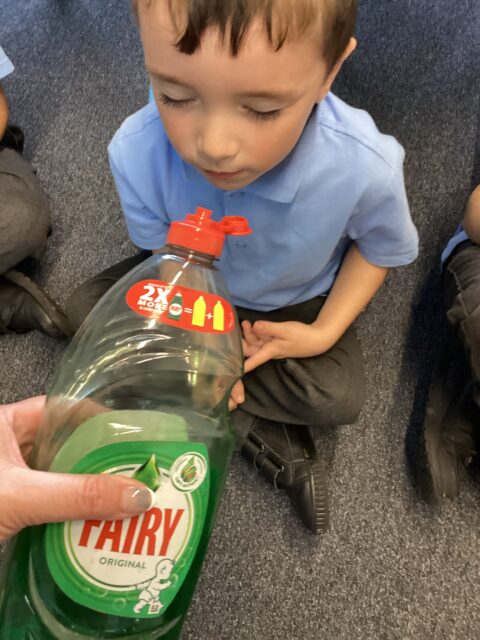
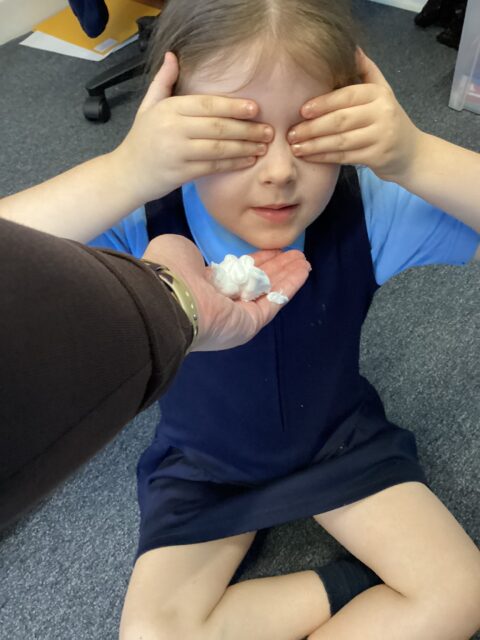
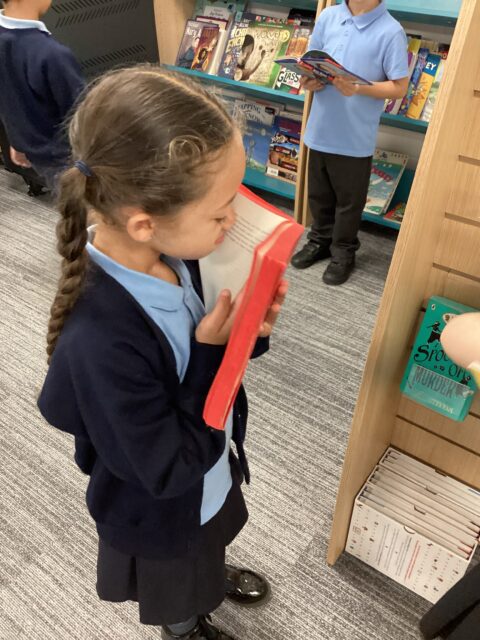
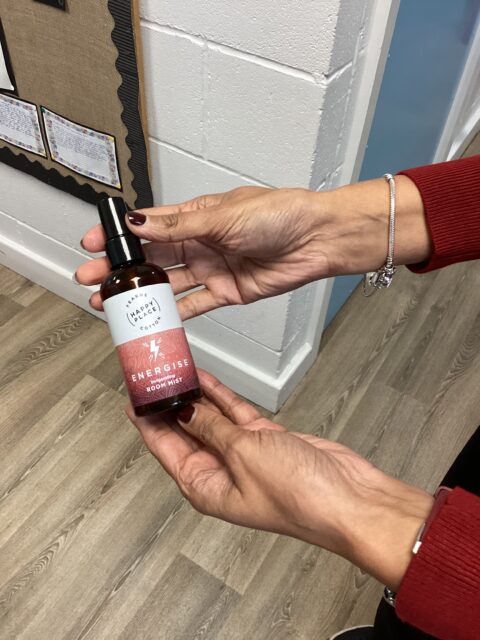
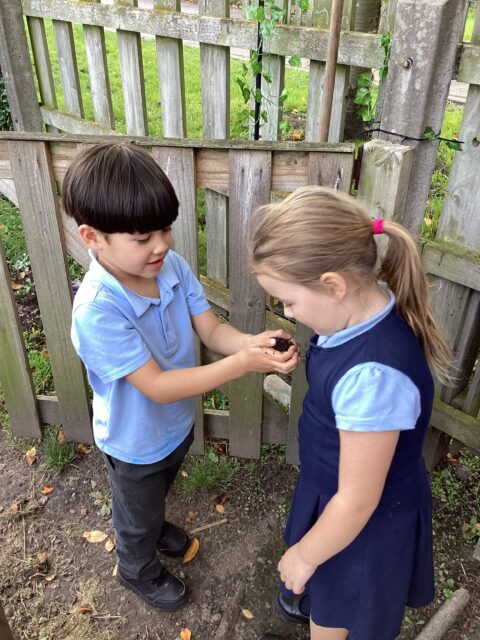
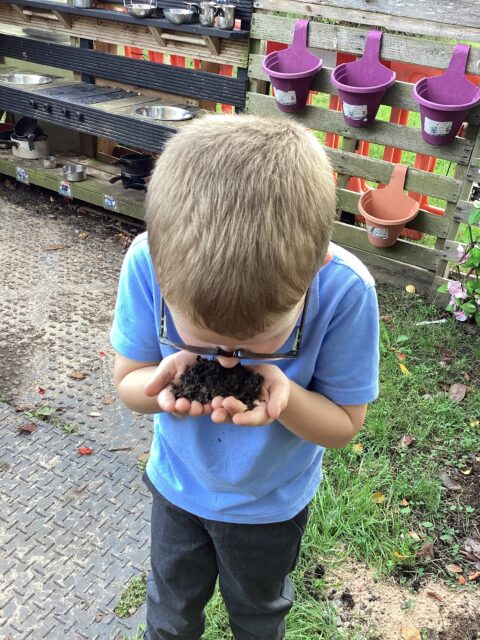
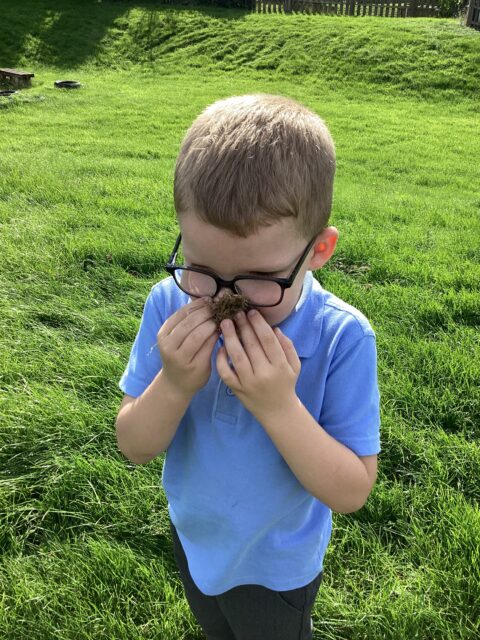
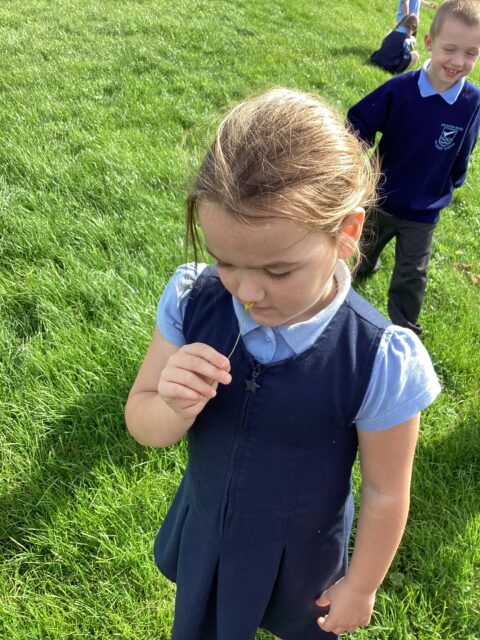
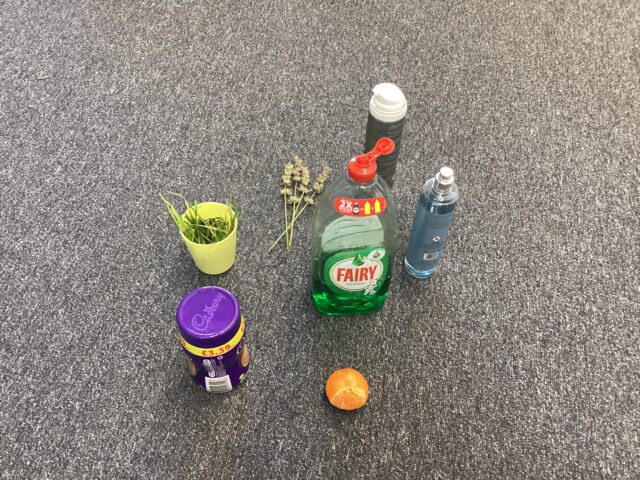
Our final sense…smell! We went on a smell walk! Outside, we could smell scents such as grass, dirt, flowers…then we went to see what we could smell in different parts of our school. We loved the smell of the books in the library, but our favourite was a spray that Mrs Clovis uses to make her office smell beautiful! We then had to close our eyes, and smell different scents and decide what they might be.
195
Science – Taste
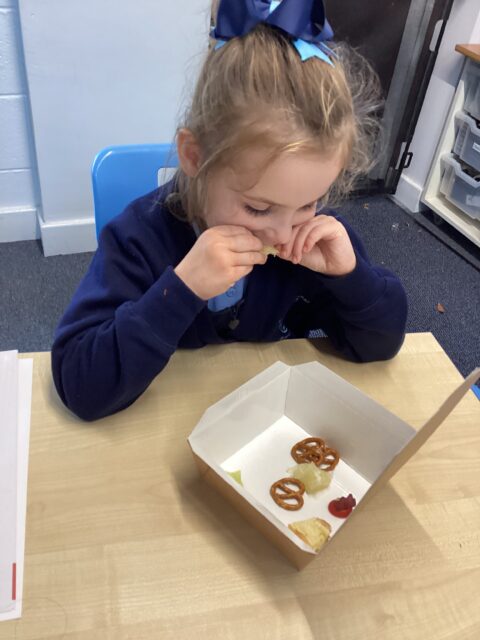
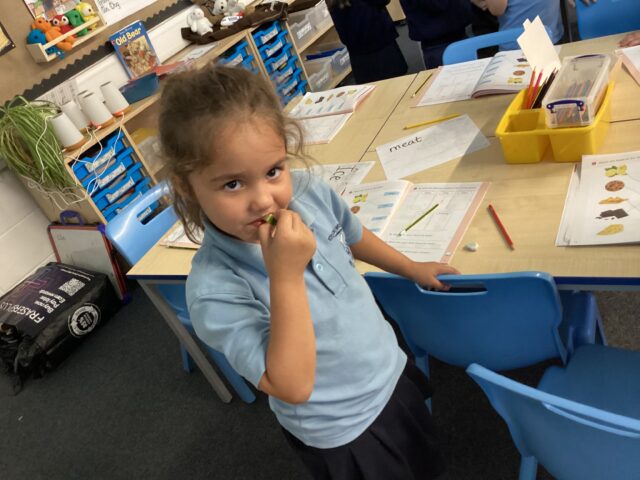
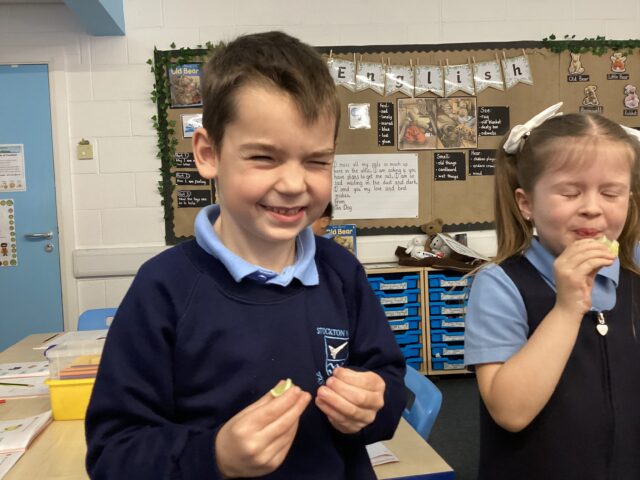
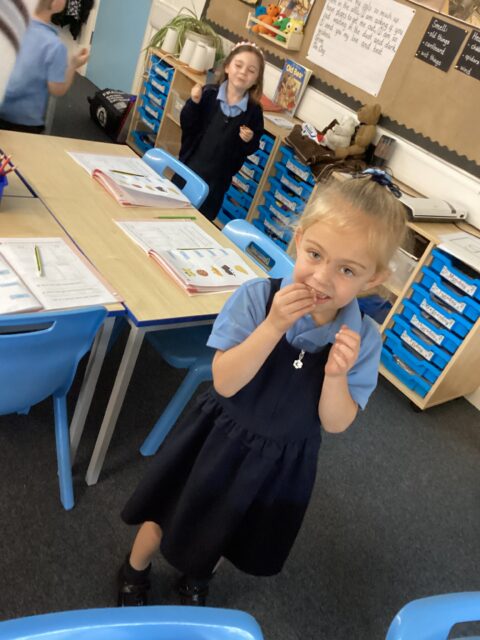
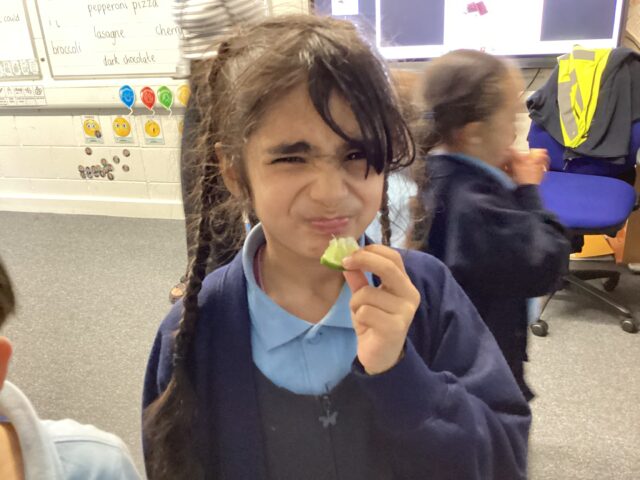
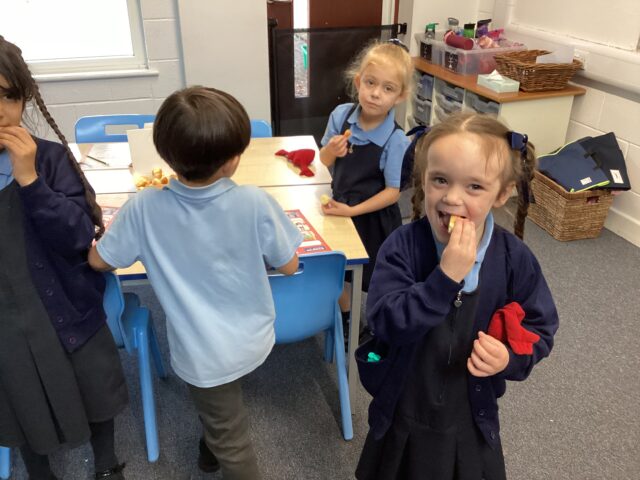
This week, we have been exploring our sense of taste. We talked about how tastes fall into categories such as bitter, sour, sweet etc. We tasted different foods, and sorted them into the correct categories!
186
5D Science experiment 🧪🪂
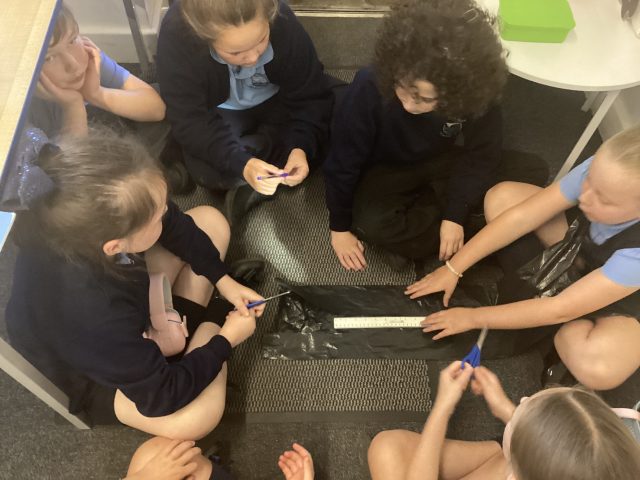
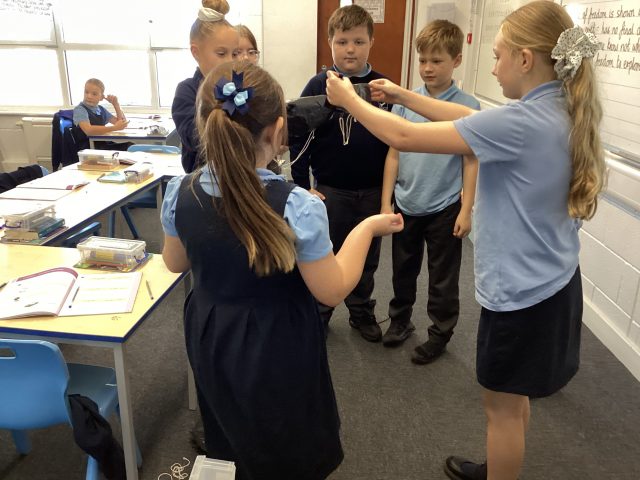
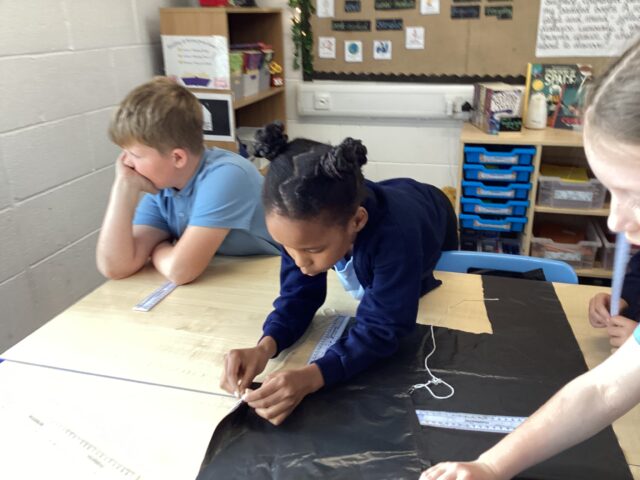
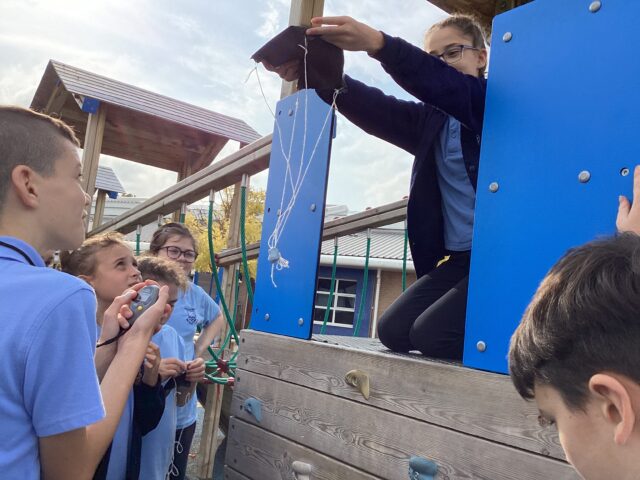
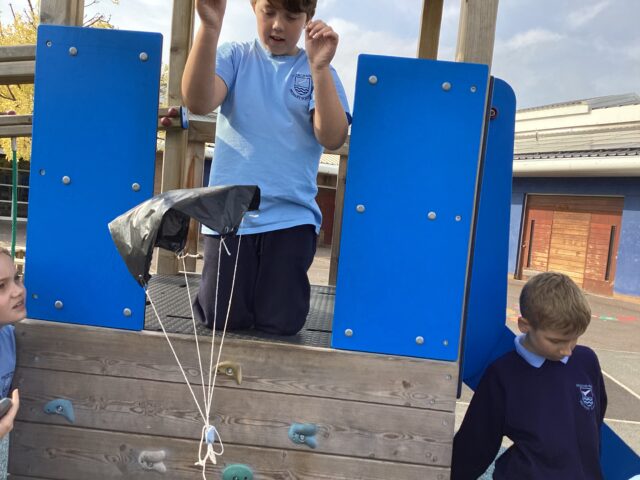
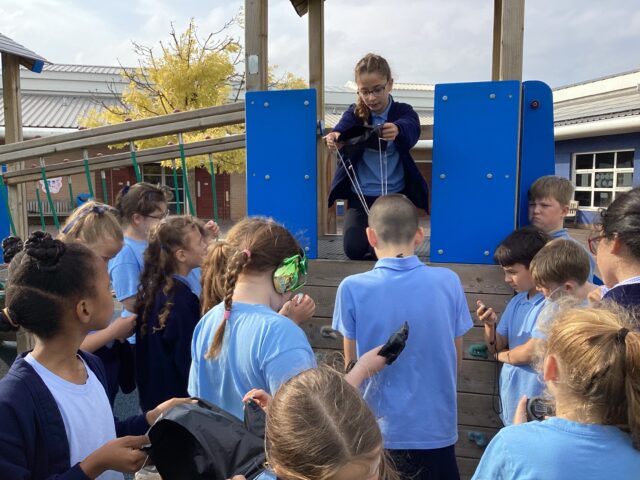
This term, 5D have been learning about air resistance in Science. Yesterday, we put all of our knowledge to the test by experimenting with parachutes that we had made. The children worked so hard, and our results were very accurate! Well done, 5D!
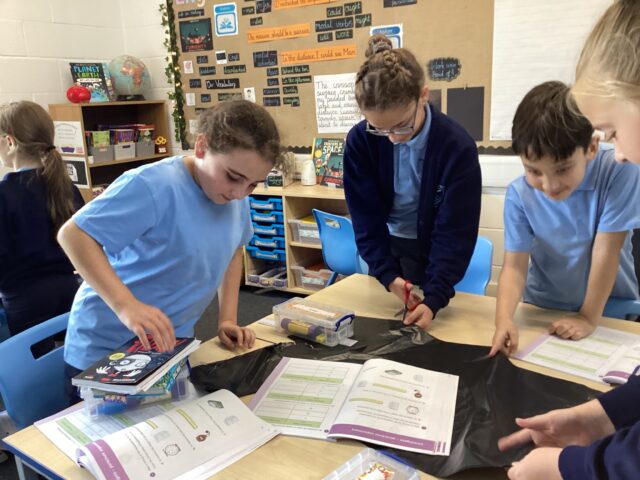
Air Resistance Experiment
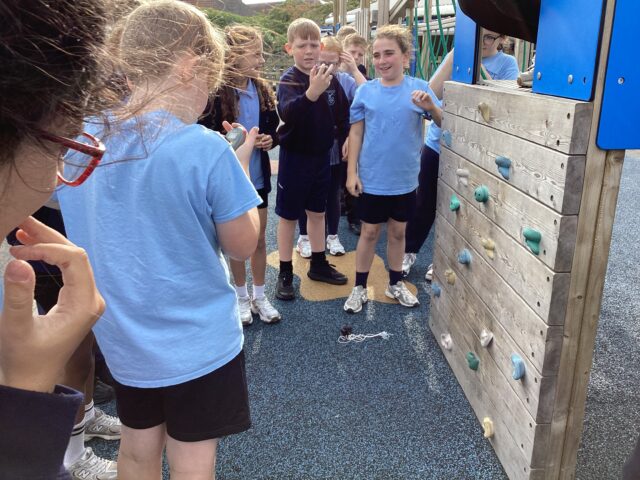
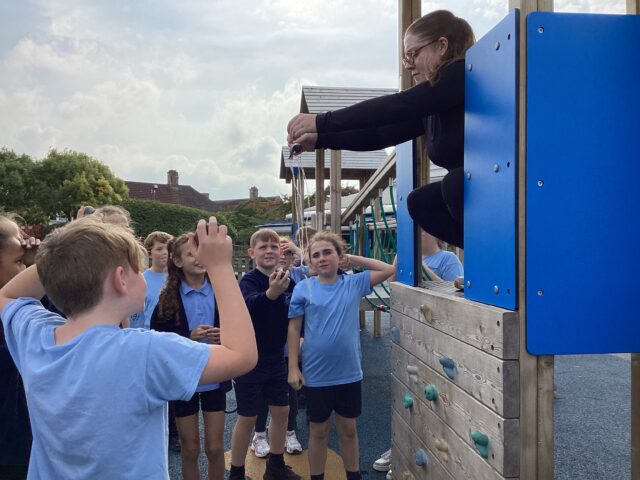
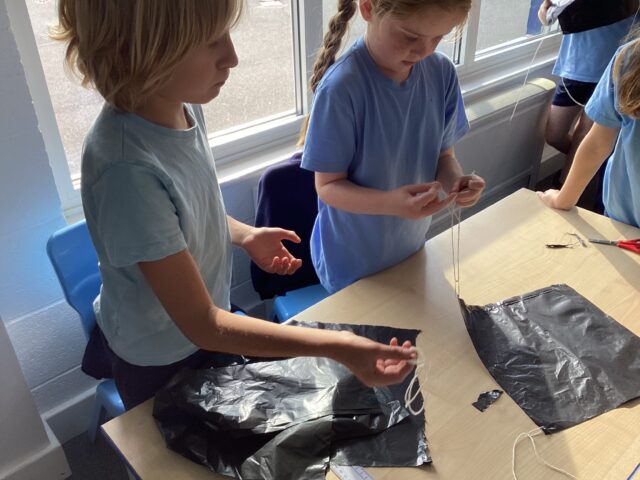
In Science, 5R have been learning about forces. Today, we made our own parachutes to investigate how the size of a parachute affects air resistance. We created parachutes of different sizes and measured the time they took to reach the ground. We discovered that the greater the surface area of the parachute, the longer it took to fall, due to the increased force of air resistance.